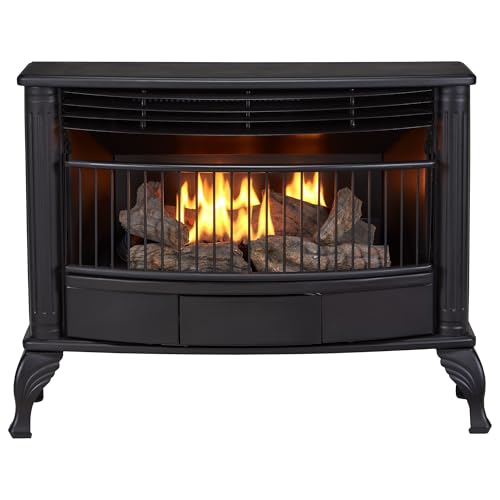
Gas fireplaces enhance home heating by providing efficient warmth, aesthetic appeal, and easy temperature control, making them a popular choice for comfort and style.
Gas fireplaces offer an unbeatable combination of instant warmth, energy efficiency, and aesthetic appeal. Unlike traditional wood-burning fireplaces, modern gas models provide consistent heat with minimal maintenance while creating a welcoming ambiance. This guide explores how to maximize your gas fireplace’s heating potential while addressing safety, design, and cost-saving benefits.

Midwest Hearth
Midwest Hearth Gas Log Lighter/Starter, Wood Burning…
- UNIVERSAL FIT – STRAIGHT OR ANGLED INSTALLATION: Converts easily between straight and 90-degree angled configurations using the in…
- ADJUSTABLE AIR/FUEL MIXER FOR A CLEAN BLUE FLAME: The built-in shutter on the air-gas mixing chamber lets you fine-tune the air-to…
- SOLID IRON PIPE CONSTRUCTION: Built from heavy iron pipe designed to withstand the demanding environment inside a wood-burning fir…
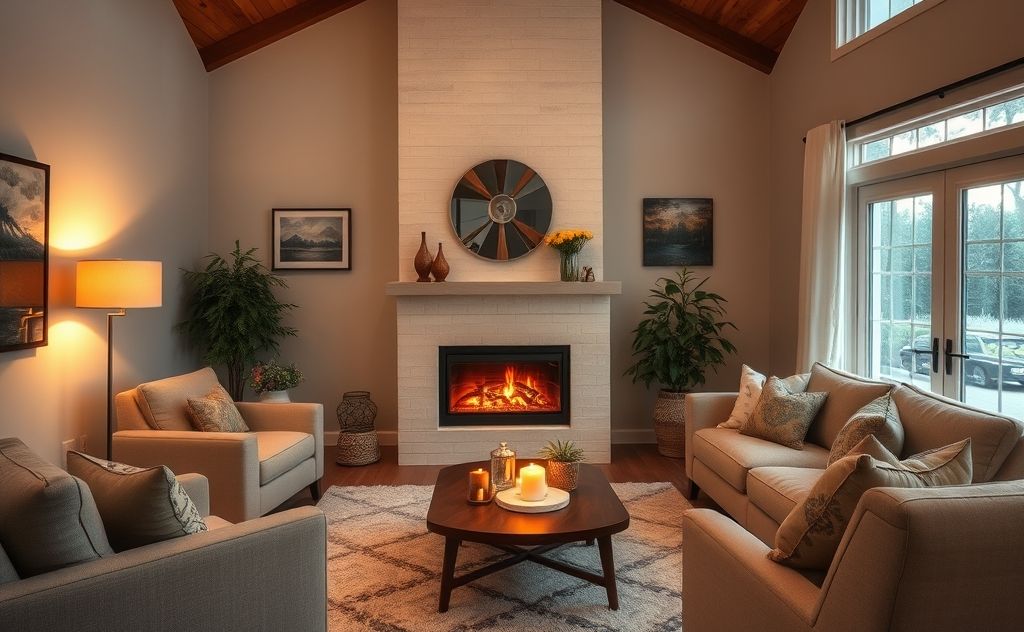
Why Choose a Gas Fireplace for Home Heating?
Gas fireplaces have evolved into sophisticated heating solutions that outperform traditional options in several key areas:
- 80-90% heating efficiency compared to 10-20% for wood fireplaces
- Instant ignition with thermostat control
- No wood chopping, ash cleanup, or chimney sweeping
- Cleaner combustion with lower emissions
Heating Capacity Comparison
| Fireplace Type | BTU Range | Heating Area |
|---|---|---|
| Direct Vent Gas | 15,000-30,000 | 800-1,500 sq ft |
| Vent-Free Gas | 10,000-40,000 | 500-2,000 sq ft |
| Wood Burning | 20,000-60,000 | 1,000-3,000 sq ft |
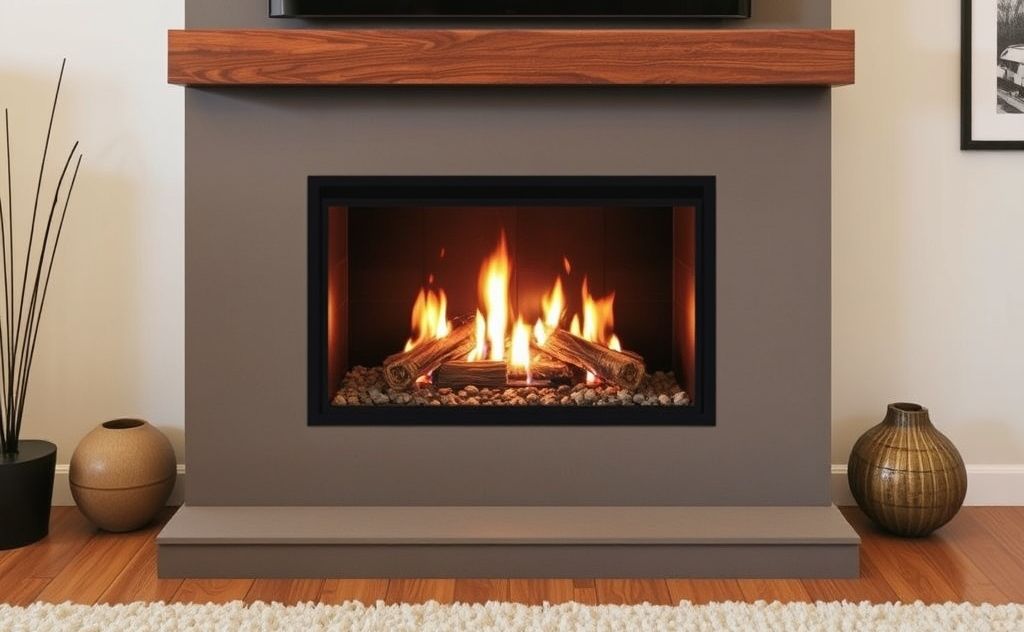
Maximizing Your Gas Fireplace’s Heating Efficiency
1. Proper Installation & Venting
Correct installation dramatically impacts performance. Direct vent models offer the best efficiency by:
- Using coaxial pipe systems to draw combustion air from outside
- Sealed glass fronts prevent heated room air from escaping
- Properly sized flues maintain optimal draft
For existing fireplaces, consider built-in gas heater inserts that convert traditional fireplaces into efficient heat sources.
2. Smart Thermostat Integration
Modern gas fireplaces pair with smart home systems for:
- Precise temperature control (±1°F accuracy)
- Remote operation via smartphone apps
- Energy-saving scheduling features
3. Supplemental Heat Circulation
Boost warmth distribution with:
- Built-in convection blowers (moves 100-200 CFM of air)
- Ceiling fans set to winter mode (clockwise rotation)
- Strategic furniture placement that doesn’t block heat flow
Design Options That Enhance Functionality
Today’s gas fireplaces combine heating performance with stunning aesthetics:
Material Choices
Consider modern heater materials like:
- Heat-resistant ceramic glass (withstands 1400°F+)
- Powder-coated steel surrounds
- Natural stone veneers with thermal mass benefits
Flame Technology
Advanced burner systems create remarkably realistic flames:
- Variable flame height controls (3-5″ adjustment range)
- Ember bed lighting effects
- Multi-port burners for dancing flame patterns
Safety & Maintenance Essentials
While gas fireplaces require less upkeep than wood, proper care ensures safe operation:
Annual Maintenance Checklist
- Professional inspection of gas lines and connections
- Vent system cleaning (removes spider webs, debris)
- Burner and log set cleaning (remove dust buildup)
- Glass cleaning with approved fireplace glass cleaner
According to the Chimney Safety Institute of America, proper maintenance can prevent 90% of fireplace-related incidents.
Carbon Monoxide Safety
All gas appliances should have:
- UL-listed CO detectors within 15 feet of the fireplace
- Oxygen depletion sensors (ODS) on vent-free models
- Regular checks of the pilot light flame color (should be blue with yellow tips)
Cost Savings & Environmental Benefits
Gas fireplaces offer significant advantages over other heating methods:
Operating Cost Comparison
| Heat Source | Cost per Million BTU | Efficiency |
|---|---|---|
| Natural Gas Fireplace | $12-$18 | 70-90% |
| Electric Space Heater | $35-$45 | 100% |
| Wood Fireplace | $10-$30 | 10-30% |
The U.S. Department of Energy notes that zone heating with a gas fireplace can reduce whole-home heating costs by 20-40% when used to supplement central heating.
Eco-Friendly Features
Modern gas fireplaces incorporate:
- Low-NOx burners that reduce nitrogen oxide emissions
- Precision gas valves that minimize fuel waste
- Recyclable materials in construction
For those considering alternative heating options, indoor propane heaters offer similar benefits with different fuel requirements.
Related pick: Check today's price on Amazon

I am a mechanical engineer and love doing research on different home and outdoor heating options. When I am not working, I love spending time with my family and friends. I also enjoy blogging about my findings and helping others to find the best heating options for their needs.
Related guides

Gas Fireplace Installation Requirements: A Complete Guide
Gas fireplaces must be installed by a licensed professional, adhering to local building codes, including proper venting, gas…
Top Natural Gas Furnace Alternatives for Efficient Home Heating
Explore efficient alternatives to natural gas furnaces, such as electric heat pumps, biomass boilers, and solar heating systems…
Propane vs Natural Gas Water Heaters: Key Differences
Propane and natural gas water heaters are not the same; they use different fuel sources, with propane being…