Water can be accessed without electricity through manual pumps, gravity-fed systems, or stored water reserves, ensuring supply during outages.
A power outage does not automatically stop your water. A city-water home will usually still have cold water if the utility maintains pressure, while a private well, booster pump, or other electrically powered system may stop once its stored pressure runs out. Hot water is a separate question: an electric water heater will not heat, and a gas unit works only if its ignition and venting do not need electricity.

Yzert
Yzert Solar Fountain with 2000mah Battery, 3-Level…
- 270° Rotating Rods: Features 4 rotating rods that can be adjusted to any angle up to 270°, fitting your bird bath. Compared to tra…
- 3 Level Water Height Adjustment:The strength of sunlight depends on the height of the water spray. Our solar fountain comes with 3…
- Works in Shadow: Our solar water fountain comes equipped with a built-in 2000mAh battery. When fully charged, the fountain can ope…
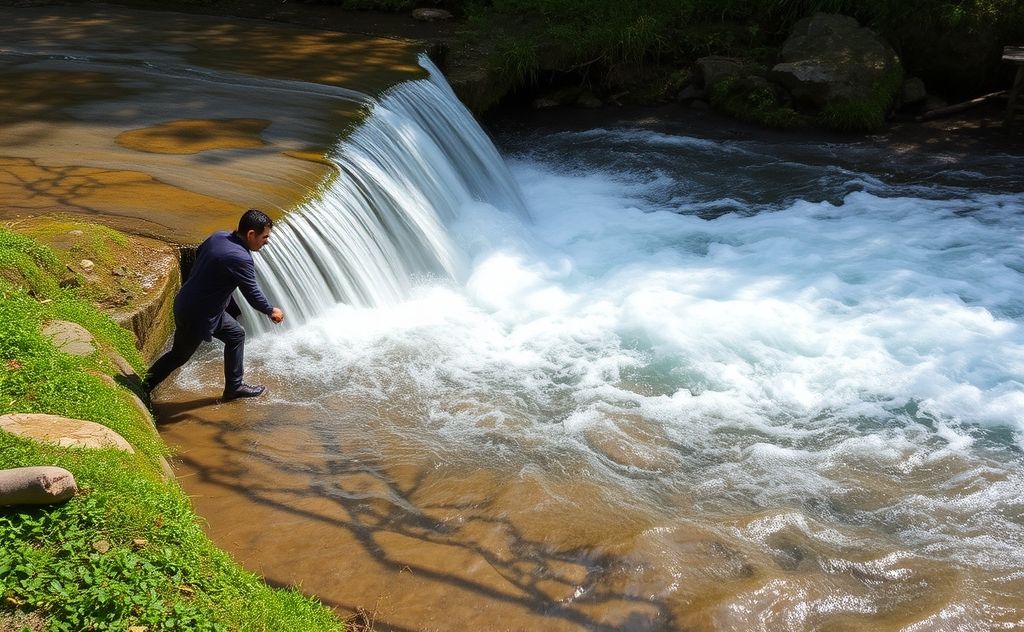
How Power Outages Affect Your Water Supply
Most city water systems rely on gravity-fed distribution networks that continue working during outages. However, some components may fail without electricity:
- Well pumps stop working immediately
- Water towers eventually drain
- Booster pumps in high-rise buildings fail
City Water Systems
City water can keep flowing during an outage, but there is no dependable 24–48-hour guarantee. Elevated storage tanks and gravity can maintain pressure, while utility pumps, treatment equipment, or a booster pump serving your building may need electricity. If your faucet runs, use water normally but conserve it; local utilities can issue restrictions, and a building with a booster pump may lose pressure even while nearby homes still have water.
| Factor | Impact |
|---|---|
| Water tower elevation | Higher towers provide longer pressure |
| System demand | Peak usage drains reserves faster |
| Backup generators | Some cities have emergency power |
Private Wells
A private well usually stops supplying water during an outage because its pump needs electricity. You may still get the water held in the pressure tank, but the faucet will lose pressure after that supply is used. A properly sized portable generator or standby system can run the well equipment, but connect it through the method required by the equipment and local code; never backfeed the house through a receptacle.
- Manual pitcher pumps (old-fashioned but effective)
- Battery backup systems
- Generator-powered pumps
For well owners, consider installing a split inverter system that can power essential equipment during outages.
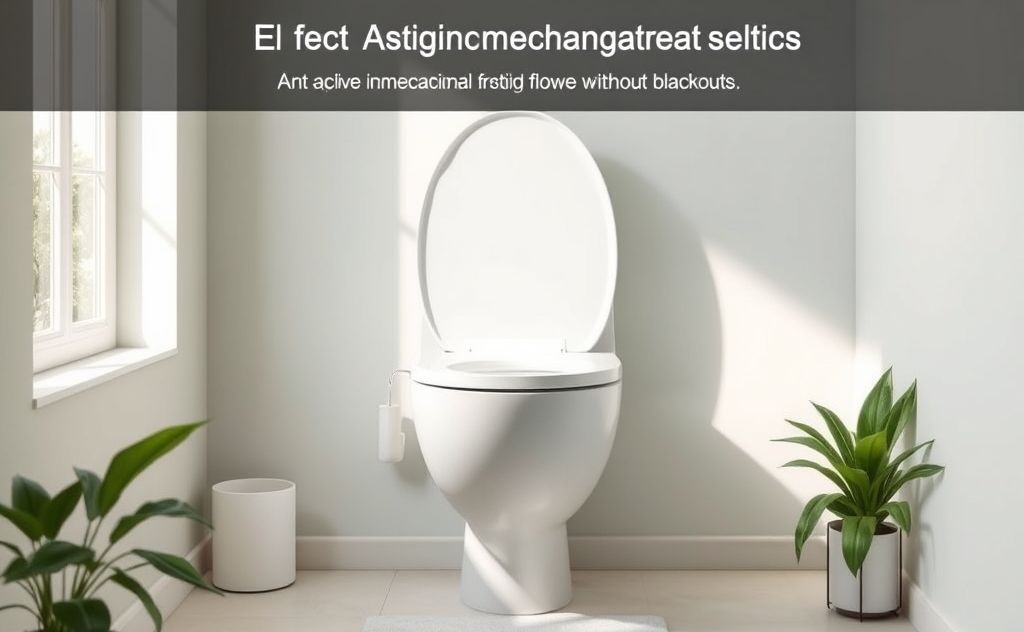
Toilet Functionality During Blackouts
Most toilets will flush during an outage, but with limitations:
Gravity-Flush Toilets
These common toilets work without power as long as:
- Water pressure remains
- Sewer lines aren’t blocked
Upflush Toilets
These specialized toilets require electricity to pump waste upward. They won’t work during outages unless connected to a backup power source like the HVAC surge protector systems some homes use.
Water Heaters and Power Outages
Both gas and electric water heaters are affected by outages:
Gas Water Heaters
Modern gas models need electricity for:
- Ignition systems
- Control boards
- Circulation pumps
Electric Water Heaters
An electric water heater will not make more hot water during an outage, although its tank may still provide water and refill if city pressure remains. A gas heater with a standing pilot and natural-draft vent may continue heating without household electricity. A gas unit with electronic ignition, a power vent, or a blower will not operate when those controls lose power. Never bypass the controls or use a generator indoors; fuel-burning equipment needs the ventilation specified by its manual and a working carbon monoxide alarm.
Essential Plumbing Tips for Outages
Prepare your home plumbing system with these measures:
- Fill bathtubs with water for flushing
- Store drinking water (1 gallon per person per day)
- Know how to shut off main water valves
- Consider a backup power source
According to Mr. Plumber Atlanta, even gas appliances often need electricity for critical functions. The Benjamin Franklin Plumbing guide confirms that well pumps almost always fail during outages.
Special Considerations for Apartments
High-rise buildings face unique challenges:
- Booster pumps fail without power
- Upper floors lose pressure first
- Shared systems may have backup generators
Check with building management about emergency plans. Many modern buildings install commercial rooftop HVAC units with backup power that may support water systems.
Long-Term Outage Solutions
For areas prone to extended outages, consider:
- Whole-house generators
- Manual water sources (well buckets, rain barrels)
- Alternative sanitation (composting toilets)
Proper preparation ensures access to water when conventional systems fail. Understand your specific plumbing setup to make the best contingency plans.
Related pick: Check today's price on Amazon

I am a mechanical engineer and love doing research on different home and outdoor heating options. When I am not working, I love spending time with my family and friends. I also enjoy blogging about my findings and helping others to find the best heating options for their needs.
Related guides

Electric Water Heater Fuse Calculation Guide: Sizing, Code Rules, and Field Testing
You replaced the heating element in your 4500W water heater, flipped the breaker back on, and ten minutes…

Rheem Water Heater Recovery Booster: Faster Hot Water for Big Homes!
Get hot water faster with the Rheem water heater recovery boosterperfect for large households needing quick, reliable hot-water…
Hot Water Heater Red Light Flashing? Here’s What’s Wrong
A flashing red light on a hot water heater typically indicates a malfunction, such as an overheating issue,…