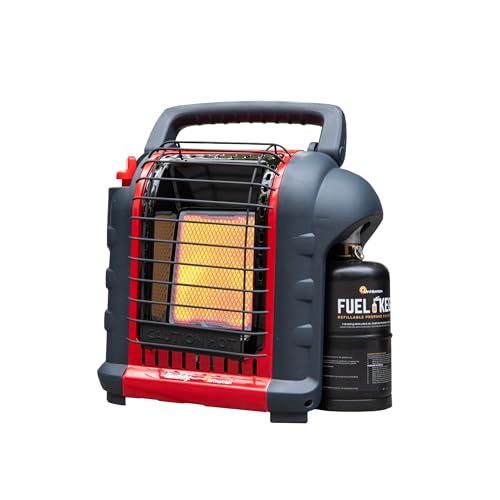
Say you have a 24 by 24 foot uninsulated garage and want to heat it safely with propane. You need a heater that won’t poison the air or risk fire. Not all propane heaters are built for indoor use; the safest models have critical sensors and certifications to protect you.
This guide explains how indoor propane heaters work, what safety features matter, how to size and ventilate your space, and which models meet the highest safety standards.
Safest Propane Heaters Designed for Indoor Use
The safest propane heaters for indoor use are those specifically designed and certified for indoor environments with oxygen depletion sensors (ODS) and tip-over shutoff features. These heaters automatically shut off if oxygen levels drop or if the unit tips over, preventing carbon monoxide buildup and fire hazards.
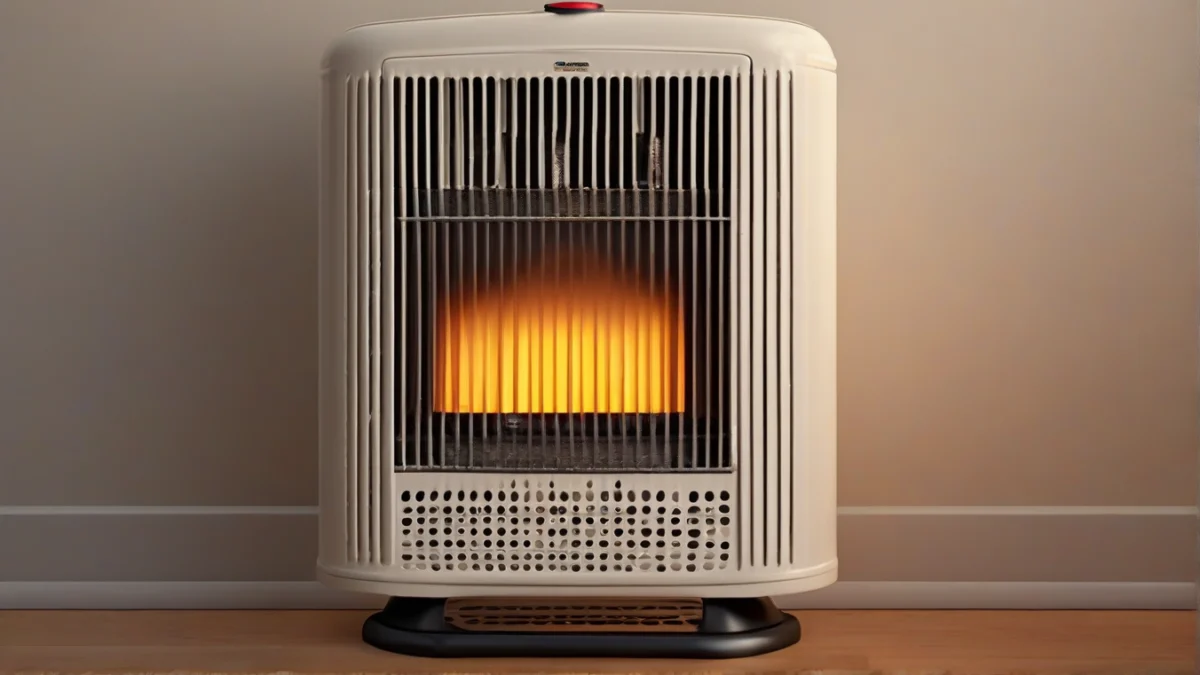
Only propane heaters specifically designed and certified for indoor use are safe to run inside. Models made for outdoor use lack key safety features and can produce dangerous carbon monoxide levels without proper ventilation and a working CO alarm in the room.
An oxygen depletion sensor is a built-in safety device that monitors the oxygen level in the air around the heater. If oxygen falls below a safe threshold, the ODS triggers the heater to shut off automatically. Without this, the risk of carbon monoxide poisoning rises sharply.
Even indoor-rated propane heaters produce some carbon monoxide and other combustion gases. That’s why ventilation is essential. A carbon monoxide alarm must always be installed in any space where a propane heater runs. It alerts you if gas levels become unsafe despite the heater’s safety features.
Tip-over shutoff switches add another layer of protection by cutting power or gas flow if the heater falls. Automatic gas valves close off fuel supply during faults or low oxygen detection. Together with the ODS, these features form a safety system that outdoor or unvented heaters lack.
| Safety Feature | Purpose |
|---|---|
| Oxygen Depletion Sensor (ODS) | Shuts off heater if oxygen levels drop |
| Tip-Over Shutoff | Turns off heater if it falls over |
| Automatic Gas Valve | Stops fuel flow during unsafe conditions |
How Oxygen Depletion Sensors Keep Indoor Propane Heaters Safe
An oxygen depletion sensor (ODS) is the heart of propane heater safety indoors. It monitors oxygen levels to prevent dangerous drops that could cause carbon monoxide buildup.
Inside the heater, a small pilot flame burns continuously. This flame heats a thermocouple, a metal sensor that keeps the gas valve open when hot. If the pilot flame goes out, the thermocouple cools and closes the valve, stopping gas flow.
The ODS works by measuring oxygen around the pilot flame. When oxygen falls below about 18% (normal air is 20.9%), the pilot flame dims, cooling the thermocouple. This causes the gas valve to shut off, stopping combustion before carbon monoxide can accumulate.
The ODS protects against low oxygen; it does not detect carbon monoxide directly. That’s why a separate CO alarm remains essential. The sensor’s rapid shutoff helps keep indoor air safe, but it’s not a standalone safety device.

How to Size and Ventilate Your Room for Safe Indoor Propane Heating
Matching your propane heater’s BTU output to the size and ventilation of the space is essential for safe operation indoors. Too large a heater wastes fuel and risks oxygen depletion, while too small leaves you cold. The basic rule is to calculate room volume and use that to find the BTU capacity needed.
Start by measuring the room’s length, width and ceiling height in feet, then multiply them for cubic feet. A typical heater rating is given in BTU per hour; for indoor propane heaters, about 20 to 30 BTU per cubic foot is a common sizing range.
| Room Volume (cubic feet) | Recommended BTU Range per Hour |
|---|---|
| 1,000 | 20,000 to 30,000 |
| 500 | 10,000 to 15,000 |
| 300 | 6,000 to 9,000 |
Ventilation is equally critical. Propane combustion consumes oxygen and produces carbon dioxide and small amounts of carbon monoxide. Even heaters with oxygen depletion sensors require fresh air to keep oxygen levels safe. The recommended minimum ventilation rate is about 1 air change per hour in the heated space, which means replacing the room air volume completely with fresh air every hour.
You can achieve this by opening a window slightly, installing a vent, or using mechanical ventilation. Without adequate ventilation, carbon monoxide can build up quickly, even with safety sensors, posing serious health risks.
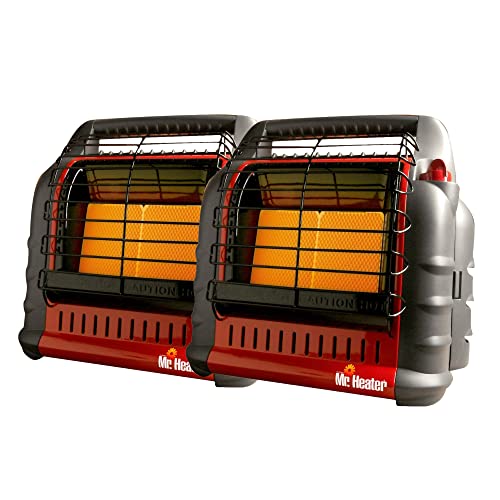
While that BTU range is quite high for a single portable unit, you can choose multiple smaller heaters or a built-in vented system for large spaces like garages. Portable indoor-safe propane heaters like the Mr. Heater Big Buddy provide around 18,000 BTU, suitable for smaller rooms or well-ventilated spaces.
Store propane cylinders outdoors or in a well-ventilated area outside the living space. Propane vapor is heavier than air and can accumulate near the floor, posing a fire or explosion risk if leaked indoors.
Choosing the best propane heaters for home use means selecting models designed for indoor safety: those with oxygen depletion sensors, tip-over shutoff, and UL certification. Follow the manufacturer’s installation instructions carefully, respecting their ventilation requirements and maximum room size ratings.
Proper sizing and ventilation keep your indoor propane heating safe and effective, minimizing risks of carbon monoxide and oxygen depletion while maximizing warmth and fuel efficiency.
Comparing Vented and Vent-Free Propane Heaters for Indoor Use
Vented propane heaters exhaust combustion gases outdoors through a flue or vent pipe, while vent-free heaters release these gases directly into the indoor air. This key difference impacts safety, air quality and installation requirements.
Vented propane heaters draw fresh air from outside for combustion and send exhaust gases, including carbon monoxide and water vapor, outside as well. This design keeps indoor air cleaner but requires proper venting installation, which can be costly and complex. These heaters are often fixed or semi-portable and suited to larger, well-ventilated rooms or permanent setups.
Vent-free propane heaters burn fuel cleanly enough to meet strict emissions standards, so they don’t require flues. They release combustion gases indoors, relying on oxygen depletion sensors (ODS) and automatic shutoff features to maintain safe oxygen levels. These units are highly portable, affordable, and ideal for supplemental heating in small, well-ventilated spaces.
| Feature | Vented Heater | Vent-Free Heater |
|---|---|---|
| Exhaust | Outside through vent | Inside room air |
| Air source | Outdoor air | Indoor air |
| Installation | Requires venting system | No venting needed |
| Safety features | Usually ODS and tip-over shutoff | Mandatory ODS and tip-over shutoff |
| Air quality impact | Minimal indoor pollution | Raises indoor moisture and CO2 |
| Typical use | Larger rooms, permanent | Small rooms, temporary |
From a safety perspective, vented heaters minimize indoor air contamination but demand professional installation and maintenance to ensure vent integrity. Vent-free heaters depend heavily on built-in sensors and adequate room ventilation; misuse or poor ventilation raises carbon monoxide and moisture risks.
Regulations and codes vary by state and local jurisdiction. Many areas restrict or ban vent-free propane heaters in bedrooms, poorly ventilated spaces, or multi-family buildings due to air quality concerns. Always check local codes before installation.
Choosing between vented and vent-free depends on your room size, ventilation, and intended use. For large living areas or permanent setups, vented heaters like the Mr. Heater Big Buddy 18K BTU model provide safer continuous operation with clean exhaust. Vent-free heaters work well for smaller rooms where quick, supplemental heat is needed, but only if you ensure proper ventilation and follow safety guidelines.
Both types must have oxygen depletion sensors and tip-over shutoff switches to reduce carbon monoxide risks. Vent-free units especially need a reliable CO alarm and fresh air intake to prevent low oxygen levels. Never use outdoor-only propane heaters indoors; they lack these vital protections.
Vented propane heaters provide the cleanest indoor air and the highest safety margin but require more complex installation and cost. Vent-free heaters are easier to use in ventilated spaces but need careful attention to safety rules and local codes.
Types of Propane Heaters and Their Safety Differences
Radiant propane heaters produce heat by warming objects and people directly through infrared radiation. They don’t heat the air first, which makes them ideal for spot heating in drafty or large spaces where air circulation is limited. These heaters run quietly and provide immediate warmth but can feel uneven across larger rooms.
Convection propane heaters work by heating the air, which then circulates throughout the room. This creates a more uniform temperature but can take longer to warm a space. You might hear a faint fan or airflow sound with some convection models, especially forced air propane heaters that use a blower to speed heat distribution. These are effective for heating enclosed rooms or small homes evenly.
Catalytic propane heaters use a special catalyst-coated pad that oxidizes propane to produce heat without a visible flame. This process produces very low emissions of carbon monoxide, making catalytic heaters a safer choice indoors. They operate quietly and provide steady, gentle heat but require regular maintenance, especially replacing the catalytic pad every few years to keep efficiency and safety high.
Forced air propane heaters, a type of convection heater, use a fan to push warm air into the room. They heat quickly but can be noisy and may circulate dust or allergens. These heaters often require more clearance around them and are less suitable for bedrooms or quiet areas.
Small rooms up to about 100 square feet suit radiant heaters well, like the Mr. Heater 3,800 BTU Little Buddy. Medium to larger rooms benefit from convection or catalytic models, while forced air heaters work best in well-ventilated garages or workshops where noise is less a concern.
Signs of Unsafe Propane Heater Operation and Maintenance Tips
Indoor propane heaters can be dangerous if they malfunction or run improperly, producing carbon monoxide or leaking propane. Watch for signs like yellow or orange flame color instead of blue, soot buildup, excessive moisture, or unusual odors, all of which suggest poor combustion.
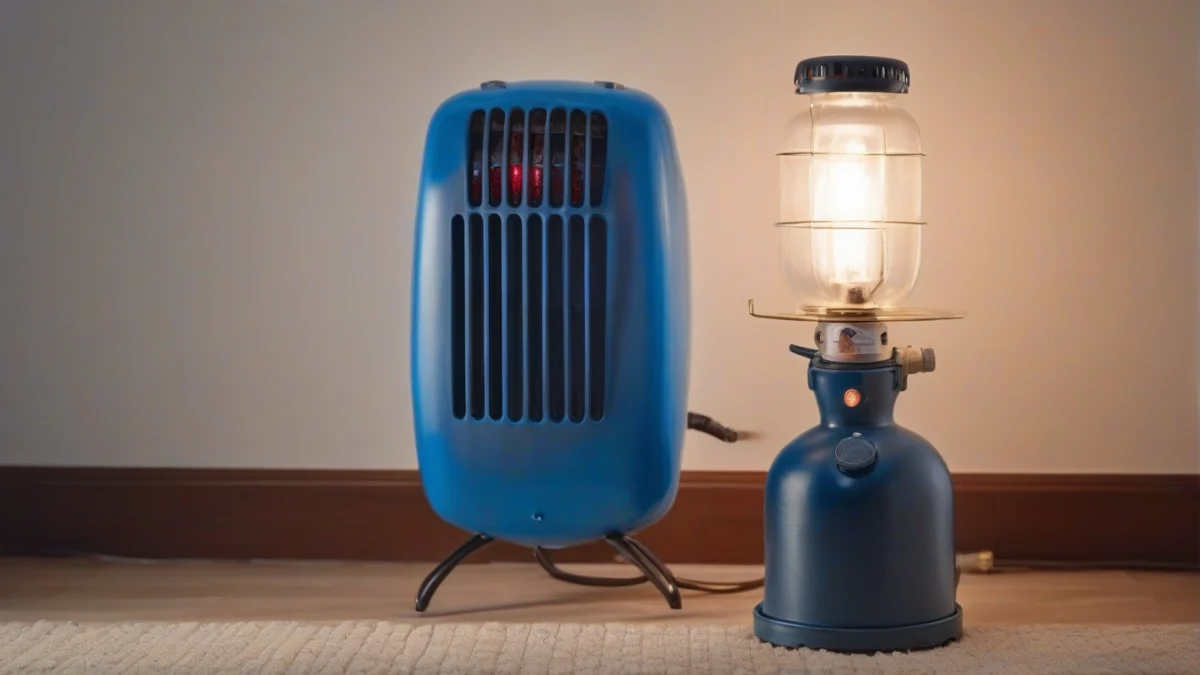
The pilot light is a key safety component. A flickering or repeatedly extinguishing pilot can indicate problems that risk incomplete combustion and gas leaks. If the pilot won’t stay lit, turn off the heater and get it inspected.
Place your propane heater on a stable, level surface away from drafts or vents that could disrupt flame stability. Never block air intakes or exhausts. Proper clearance prevents overheating and accidental fires.
A working carbon monoxide alarm is essential in any room with a propane heater. It’s your last line of defense against dangerous invisible gases and must be tested regularly.
Follow the manufacturer’s recommended maintenance schedule closely. This includes cleaning or replacing filters, catalytic pads, and inspecting fuel lines. Skipping maintenance can degrade heater performance and safety over time.
Propane leaks should be checked at least monthly, or anytime you detect unusual odors or performance changes. Use a soap-and-water solution on fittings to spot bubbles indicating leaks. Never use a flame to test for leaks.
What To Do Next: Choosing and Using a Safe Indoor Propane Heater
Start by measuring your room to find the right heater size. Multiply length by width to get square footage, then match that to the heater’s BTU rating: 20 BTU per square foot is a good rule. For example, a 12 by 14 foot room is 168 sq ft, so a heater around 3,400 BTU suits it.
If you worry about power outages, propane heaters like the Big Buddy run without electricity, making them the best indoor option for those situations. For smaller spaces, the Little Buddy provides 3,800 BTU and tip-over shutoff, ideal for bedrooms or small cabins.
Mr. Heater propane heaters, including the popular models available on Amazon, offer many choices with these safety features built-in. Avoid outdoor-only models indoors; they lack sensors and can produce dangerous carbon monoxide levels.
Keep ventilation steady even if the heater’s ODS is active. The sensor shuts off the heater before oxygen levels become unsafe, but proper airflow reduces carbon monoxide and combustion byproducts. A working CO alarm is your last line of defense and must never be skipped.
Handling propane cylinders correctly reduces fire risk. Always store tanks upright outside and secure them during transport. Check for leaks using soapy water on connections before each use.
Following these steps will help you buy and run the safest propane heater indoors, avoiding the risks of carbon monoxide and fire while keeping warm efficiently.
More Questions, Answered
What exact safety certifications should I look for in an indoor propane heater?
How does an oxygen depletion sensor prevent carbon monoxide poisoning?
Can vent-free propane heaters be used safely in small or poorly ventilated rooms?
What are the signs of unsafe propane heater operation indoors?
How often should I check for propane leaks when using indoor heaters?
Are there specific brands or models that are safest for indoor use?
Is it necessary to have a separate carbon monoxide detector when using a propane heater?

I am a mechanical engineer and love doing research on different home and outdoor heating options. When I am not working, I love spending time with my family and friends. I also enjoy blogging about my findings and helping others to find the best heating options for their needs.
Related guides
Off-Grid Approved: Direct-Vent Propane Heaters That Don’t Need Power
The safest, most reliable direct-vent propane heaters for off-grid use work with no electricity at all. See the…
Why the Butane Propane Portable Outdoor Heater is a Game Changer
Stay toasty on your outdoor adventures! Read our in-depth review of the Butane Propane Portable Outdoor Heater 9000BTU…
How Propane Space Heaters Ignite and Burn Efficiently
The ignition and combustion process in propane space heaters involves igniting propane gas, which mixes with air, creating…