

Say your thermostat reads 21°C and your American friend talks about 70°F. You wonder: does Canada use Celsius or Fahrenheit? Officially, Canada switched to Celsius in the 1970s as part of adopting the metric system, but Fahrenheit hasn’t vanished completely.
Understanding how and why Canada uses Celsius primarily, while Fahrenheit lingers in some corners, helps when you read weather reports, set your oven, or chat near the US border.
Canada Uses Celsius for Temperature
Canada officially uses Celsius for all temperature measurements since 1975, but Fahrenheit still appears informally, especially in cooking and casual conversations. Celsius is the standard scale for weather forecasts, appliances, and education across the country.
The metric system, which includes Celsius, started replacing imperial units in Canada in 1970. By April 1, 1975, Celsius became the official temperature scale. Weather reports have used Celsius exclusively since 1977. Appliances like thermostats, ovens, and heaters all display temperatures in Celsius by law or convention.
Despite this, Fahrenheit persists unofficially. Some Canadians, particularly older generations or those near the US border, still think in Fahrenheit for body temperature or oven settings. Recipes often include Fahrenheit alongside Celsius, reflecting North American cooking habits.
Metrication in Canada covers more than temperature. Road distances switched to kilometres, gasoline is sold by the litre, and precipitation is measured in millimetres. However, imperial units have not vanished entirely; you’ll still hear inches for clothing sizes and pounds for body weight.
| Context | Temperature Unit Used |
|---|---|
| Weather forecasts | Celsius only since 1977 |
| Appliances (heaters, ovens) | Celsius |
| Education | Celsius |
| Cooking and informal talk | Fahrenheit sometimes |
Canada’s Shift from Fahrenheit to Celsius
Canada began switching from Fahrenheit to Celsius as part of a broader move to the metric system starting in 1970. The official changeover lasted about 15 years, ending around 1985. The government led the effort to modernize measurements across the country.
The Metric Commission was created in 1971 to coordinate this change. It oversaw converting road signs from miles to kilometres in 1977 and changing gasoline pumps from imperial gallons to litres in 1979. Weather services switched to Celsius in the mid-1970s, completing the temperature transition by 1977.
Public reaction was mixed. Many Canadians found the new units confusing at first, and some resisted abandoning familiar imperial measures. The transition required extensive education campaigns, and some imperial units remain in everyday use due to habit.
| Year | Change |
|---|---|
| 1970 | Start of metrication |
| 1971 | Metric Commission established |
| 1975 | Official switch to Celsius for temperature |
| 1977 | Road signs in kilometres; weather reports in Celsius |
| 1979 | Gasoline sold by litre |
| ~1985 | Metrication largely completed |
Fahrenheit Usage in Canada Today
Fahrenheit remains in use in Canada, but mostly in informal and legacy contexts rather than official measurements. While Celsius is the official standard for weather reports and most appliances, you’ll still find Fahrenheit showing up here and there.
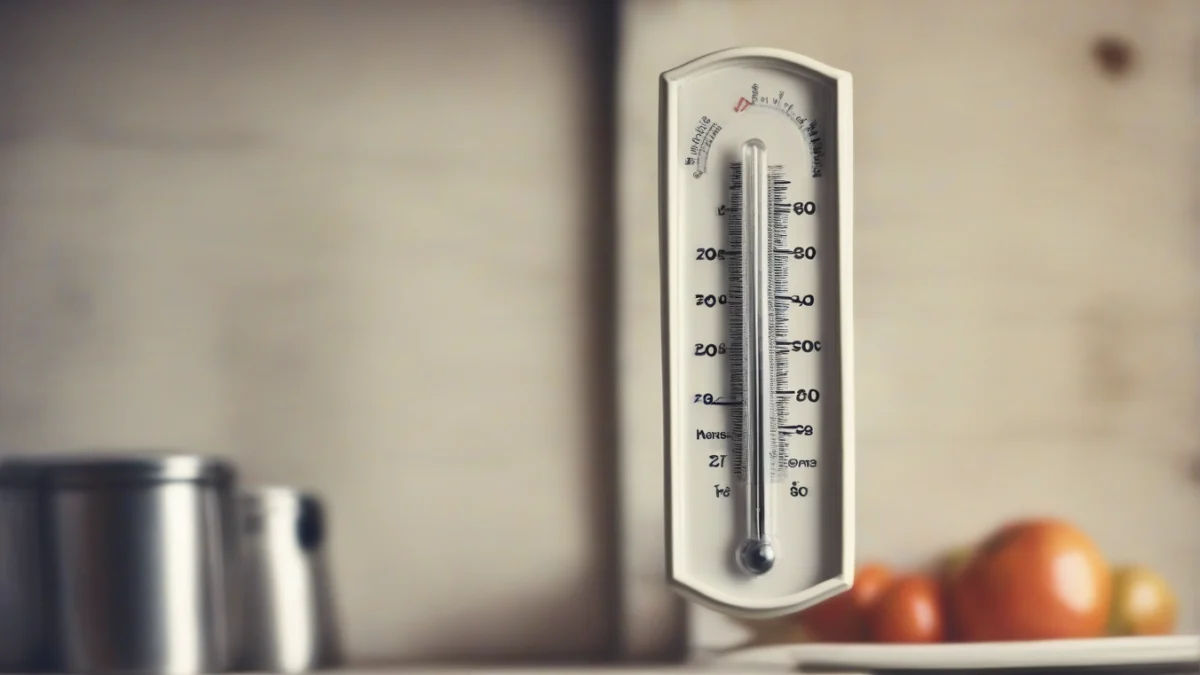
Older ovens and thermostats in Canadian homes often display Fahrenheit alongside Celsius or sometimes exclusively. These devices predate the 1975 switch and many remain in use because replacements aren’t always urgent or cheap.
Cooking is another common area where Fahrenheit lingers. Many recipes, especially those borrowed or adapted from American sources, list oven temperatures in Fahrenheit. Some Canadians prefer to continue using those familiar numbers rather than converting.
Industries closely tied to U.S. partners—like manufacturing, logistics, and certain trades—may still use Fahrenheit internally to align with American suppliers or clients. This practical choice helps avoid confusion across the border.
Regional differences also play a role. Communities near the U.S. border, especially in provinces like British Columbia and Ontario, sometimes use Fahrenheit in casual conversation and local media. This is less about official policy and more about cultural proximity.
Some Canadians simply prefer Fahrenheit for temperature description, especially older generations or those exposed to imperial units growing up. It’s a habit that sticks, even if it’s unofficial.
Comparing Canadian and US Temperature Reporting
The United States still uses Fahrenheit exclusively, while Canada adopted Celsius for weather reporting starting in 1977. This difference is one of the clearest markers between the two countries’ temperature systems.
Canadian weather forecasts, government reports, and educational materials use Celsius as their standard unit. In contrast, Americans rely almost entirely on Fahrenheit for daily temperature references.
Media outlets in Canadian border regions sometimes mention both Celsius and Fahrenheit. This helps viewers and readers near the U.S. understand temperatures without confusion.
The U.S. has resisted metrication primarily due to public opposition, especially the backlash against changing road signs and familiar measures. Unlike Canada’s government-driven and legally mandated switch, American efforts have largely been voluntary and stalled.
| Country | Temperature Unit | Year Adopted Officially |
|---|---|---|
| Canada | Celsius | 1977 for weather |
| United States | Fahrenheit | Never officially switched |
Current Impact of Dual Temperature Scales in Canada
Canada uses Celsius for virtually all official temperature measurements, including thermostats and heaters, which display and operate with Celsius settings only. This standard applies nationwide, from home heating systems to weather forecasts and educational materials.
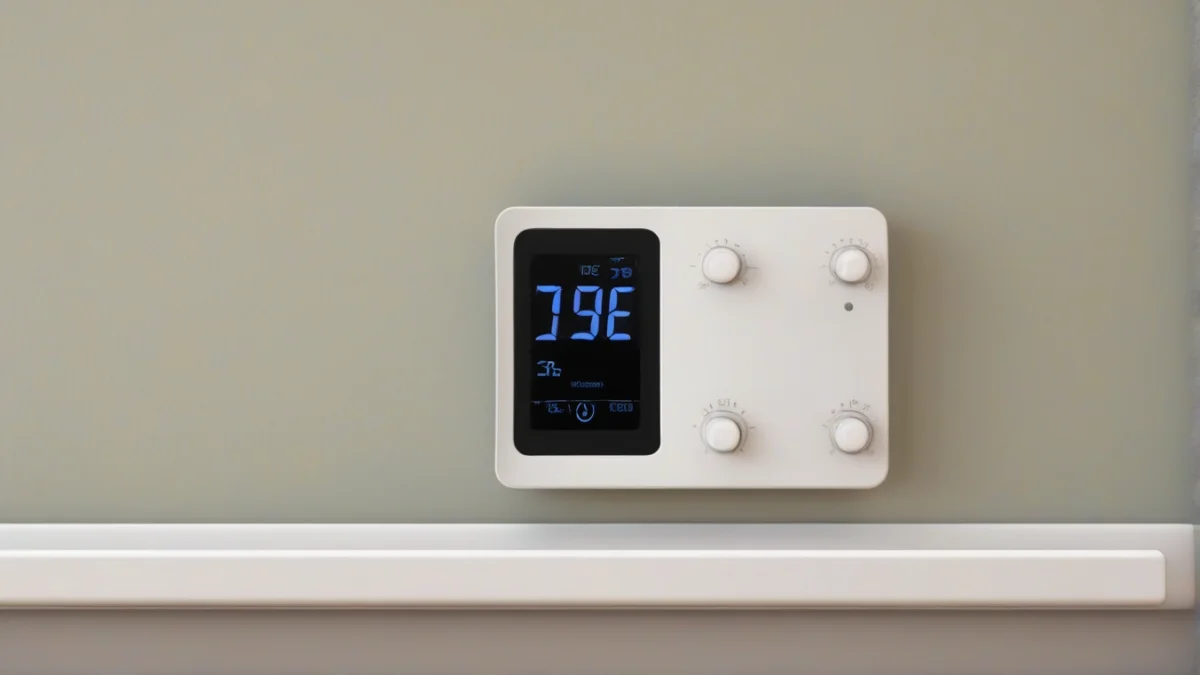
Despite Celsius being the official scale, Fahrenheit remains in informal use, especially in cooking and casual conversations. Older generations or cooking enthusiasts might prefer Fahrenheit, as many recipes and ovens imported from the U.S. use that scale.
Education and product manufacturing follow Celsius exclusively. School science lessons teach Celsius and related metric units, and most appliances sold in Canada have Celsius temperature controls. This uniformity helps avoid confusion in daily life and technical settings.
Some imperial units are still legally permitted in Canada, such as inches for clothing sizes and pounds for body weight, but these do not extend to temperature. The coexistence of metric and imperial systems means Canadians often switch units depending on context, but temperature is one area where Celsius dominates.
How to Handle Fahrenheit Measurements in Canada
Converting Fahrenheit to Celsius is simple with the formula: °C = (°F – 32) × 5 ÷ 9. For quick checks, smartphone apps and online tools can help avoid mistakes, especially when cooking or adjusting older equipment.
Canadians should prefer Celsius for official settings and new appliances, as all modern Canadian devices and weather reports use Celsius. This ensures consistency and avoids confusion in daily life and technical tasks.
Expect to encounter Fahrenheit mainly in older heating equipment, imported appliances from the U.S., or in some cooking contexts. When buying heaters or ovens in Canada, verify the temperature scale on the device to avoid surprises.
Regional differences near the U.S. border mean some communities might casually use Fahrenheit more, especially where cross-border shopping or media influence is strong. Awareness of this helps when interpreting temperatures in those areas.
Questions People Ask
Does Canada still use Fahrenheit for temperature?
Why did Canada switch from Fahrenheit to Celsius?
When did Canada officially adopt Celsius?
Are imperial units still legal in Canada?
Do Canadian weather reports use Fahrenheit?
Why does the US still use Fahrenheit?
How do Canadians learn temperature measurement in schools?

I am a mechanical engineer and love doing research on different home and outdoor heating options. When I am not working, I love spending time with my family and friends. I also enjoy blogging about my findings and helping others to find the best heating options for their needs.
Related guides

How To Ensure Sensor Accuracy In Extreme Conditions
To ensure sensor accuracy in extreme conditions, regularly calibrate sensors, use protective enclosures, and select components rated for…
How Improper Temperature Calibration Ruins Equipment
Improper temperature calibration can lead to inaccurate measurements, affecting product quality, safety, and compliance in various industries like…
How Temperature Sensors Boost HVAC Efficiency and Comfort
Temperature sensors in HVAC systems monitor and regulate indoor climate, ensuring efficient heating and cooling for optimal comfort…
