Infrared Portable Heater Lifespan: How Long Do They Last?
On this page 7 sections
The most common mistake is treating every infrared heater like it has the same lifespan. A quartz unit rated for tens of thousands of hours, a PTC model, and a cheap heater with a tired cord do not age the same way, and that mistake usually costs you one of two ways: an early replacement or a repair bill for a unit that was already on its last legs.
A fanless infrared heater can work because the element emits radiant heat in waves that travel straight to people, furniture, and surfaces, then those surfaces give back warmth to the room. Fewer moving parts means fewer wear points, but the cord, switch, thermostat, reflector, and element still age.
How Does A Portable Heater Infrared Work Without A Fan?
An infrared portable heater without a fan sends electricity through a heating element, which produces radiant heat that warms people and objects directly instead of heating room air first. That fanless design has fewer moving parts and dust paths, so it usually suits spot heating at a desk or in a small-to-medium room better than rapidly mixing heat through a large open space.
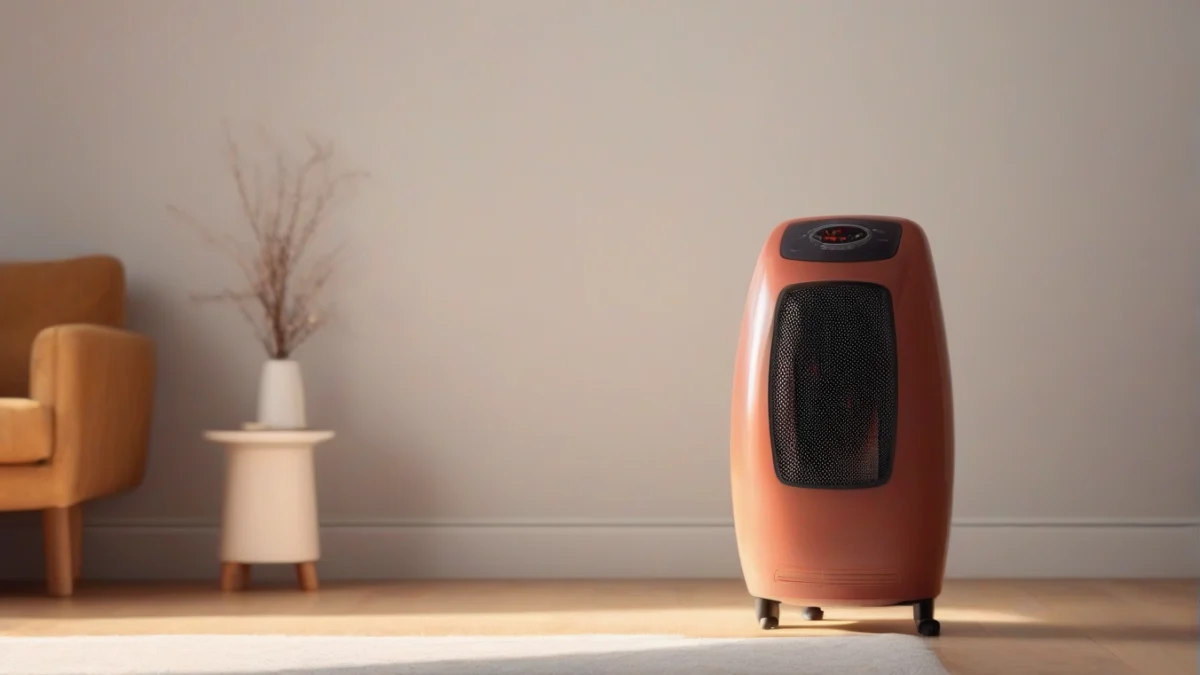
The element changes electrical energy into radiant heat. You feel that energy when it reaches your skin, chair, desk, floor, or nearby wall; those surfaces can then warm some of the surrounding air. The heater doesn’t need to blow across the room to make the first useful warmth reach you.
A convection heater takes the slower route for your immediate comfort: it warms air, and that air circulates through the room. Infrared heating is usually better when you’re sitting in one area, working at a desk, or trying to take the chill off a drafty basement. Convection has the advantage when the goal is to mix warmth through several rooms or a large enclosed space.
Removing the fan also removes a motor, bearings, and a wheel that can collect dust. Fewer mechanical wear points mean fewer motor failures and less dust pulled through the cabinet. The heating element and electrical connections still age, so fanless doesn’t mean maintenance-free; a dusty grille and loose connection can still make a heater unhappy.
The phrase infrared heater covers several designs, and the element type changes the feel of the heat and the likely trouble spots. A quartz tube, a ceramic PTC element, and a flat far-infrared panel don’t put heat into a room in exactly the same way.
| Type or element | What it means | Lifespan and use |
|---|---|---|
| Quartz | A tube produces near-infrared or medium-wave radiant heat, often with a quick visible glow. | Some quartz elements are rated for 40,000 to 80,000 operating hours. Good for direct warmth where you sit; protect the tube from knocks. |
| PTC ceramic | A ceramic element increases resistance as it heats, helping limit its temperature. | Often used with a fan for broader air movement, though some designs are fanless. A fan-assisted model adds motor and dust-related wear. |
| Far-infrared panel | A broad surface emits longer-wave radiant heat with little or no visible glow. | Suited to steady warmth near the panel. The panel may last a long time, but controls and electrical connections can fail first. |
| Fan-assisted infrared | An infrared element works alongside a blower that spreads heated air. | Warms a larger area faster than a purely radiant unit, but the fan adds a motor, bearings, noise, and another part that can wear out. |
Say you’re reading at a desk in a chilly basement. A fanless quartz or panel heater aimed at your seating area can make you feel warmer before the whole basement changes temperature. Move the same heater into a large open living area and expect a warm patch, not an instant house-wide reset. Physics is stubborn about floor plans.
A fan-assisted infrared model makes more sense when you need heat distributed beyond one chair or desk, but accept the added mechanical wear. For a focused comfort zone, the simpler fanless design is easier to live with and has fewer parts pulling dust through the cabinet. For a full-room decision, compare the actual room layout, drafts, and heater output rather than assuming the word infrared guarantees even heat.
What Actually Wears Out First

Common causes of infrared heater failure are heat-stressed elements, loose electrical terminals, worn controls, corrosion, and damaged cords or plugs. Infrared heaters have fewer moving parts than fan heaters, but heat and electricity still age the parts that matter. The heating element may glow normally while producing less useful heat, so uneven warmth or a longer warm-up time can signal aging before the heater stops completely.
| Part | What aging looks like | Repair outlook |
|---|---|---|
| Heating element | Dim sections, uneven heat, longer warm-up, or no glow | Some element assemblies can be replaced |
| Quartz tube | Cracks, dark spots, or a broken tube | Replace the tube or assembly; don’t run it cracked |
| Terminals and wiring | Discoloration, looseness, arcing, or a burning odor | Repairable by a qualified technician if the damage is limited |
| Switch or thermostat | Intermittent operation, temperature drift, or repeated shutoffs | Often replaceable if parts are available |
| Reflector | Rust, flaking, or heavy corrosion behind the element | May be serviceable; severe corrosion can make replacement sensible |
| Cord or plug | Cuts, melted plastic, loose prongs, or hot spots | Replace before use; keep the heater unplugged until repaired |
Quartz heating elements deserve a close look because the glass tube protects the hot material inside. A crack, darkened section, or loose support can change heat distribution and create a failure point. Some quartz elements are rated for 40,000 to 80,000 operating hours, but that rating applies to the specified element and conditions—not to every heater around it.
Many infrared heaters can be repaired to extend their life. A cord, switch, thermostat, filter, or some element assemblies may be practical repairs when the housing and wiring remain sound. Cracked housings, extensive heat damage, and a failed control board usually end the unit because the repair cost and reliability risk outweigh the remaining heater.

How Long Different Infrared Heaters Last
A well-made infrared heater can last 15 to 20 years or more, but build quality and the way you use it matter more than the badge on the front. Quartz, carbon-style, and PTC-style heaters age differently, and a fan-assisted model adds a motor that a silent radiant panel doesn’t have.
Infrared heaters can lose useful heating performance as they age, although the electrical draw may stay about the same. Dust on the reflector, a weakened heating element, a loose terminal, a failing thermostat, or a tired blower can send less heat into the room while the meter keeps counting watts. That is an efficiency problem in the practical sense: you pay for the same input and feel less warmth.
The heating element does affect lifespan, but it doesn’t decide the whole story. Quartz tubes can produce strong radiant heat and may run for many hours, yet the glass is brittle; PTC parts regulate their heat more naturally and can reduce overheating stress; carbon-style elements are often used for steady radiant output, while the surrounding wiring, controls, reflector, and enclosure still determine how long the heater remains serviceable.
| Heater type or setting | Lifespan factors | Common wear points | Best-use notes |
|---|---|---|---|
| Quartz indoor portable | A well-made unit may reach the usual 15–20 years or more; the tube rating varies by model | Brittle quartz tube, reflector, terminals, thermostat, cord | Good for direct spot heating when it can stay clean and upright |
| Carbon-style infrared | Depends heavily on element construction, enclosure, and replacement-part availability | Element connections, reflector, control switch, dust buildup | Useful for steady radiant warmth; check the manual for element replacement details |
| PTC-style heater | Self-regulating heat can reduce element stress, but the electronics and airflow path still age | PTC assembly, thermostat, circuit board, dust filter, blower if fitted | A sensible choice when controlled heat and automatic temperature limiting matter |
| Fan-assisted infrared portable | The infrared element may last well, but the fan adds mechanical wear and noise over time | Blower motor, bearings, fan grille, filter, control board | Moves warmth around a larger room; keep the intake and outlet clear |
| Outdoor patio heater with corrosion-resistant materials | Dry, protected storage and corrosion-resistant construction improve the odds of long service | Moisture, rust at fasteners, seals, wiring terminals, reflector finish | Best for covered outdoor use; harsh weather can shorten life even when the element is sound |
A 100,000-hour claim needs the fine print beside it. It may describe a particular LED-style indicator, heating component, or test condition rather than the complete portable heater, and it isn’t a universal infrared-heater lifespan. Ask what part received the rating, at what operating conditions, and whether replacement parts are available.
Match The Heater To Its Workload
Light seasonal use in a dry indoor room gives a repairable heater its best chance of reaching 15 to 20 years or more. Heavy daily use raises the number of operating hours and heat cycles, while an outdoor unit faces moisture and corrosion on top of that load. Some heaters can last beyond 30 years, but that usually takes light use, dry storage, and parts you can replace rather than a lucky serial number.
A dual-system portable unit such as infrared space heaters compared can combine a quartz tube with PTC heat, but its blower and electronics remain wear points. Product 1 uses that quartz-and-PTC arrangement, plus overheat and tip-over protection; choose that layout when you want radiant heat with room air movement, and skip it if you want the fewest mechanical parts.
How Use And Storage Change Lifespan
Under heavy daily use, an infrared heater may last fewer years because long operating hours and repeated heat cycles stress the element, thermostat, terminals, and wiring more often. Eight hours a day equals 2,920 operating hours per year, so a 40,000-hour quartz element rating works out to about 13.7 years at that pace if nothing else fails. The rating belongs to the element, not the complete heater; controls, connections, corrosion, and the power cord can give up first.
Indoor use usually gives a portable heater the easier life because the cabinet stays away from rain, salt spray, condensation, and outdoor grit. An outdoor-rated infrared heater can handle its listed environment, but exposure still accelerates wear, especially around terminals, reflectors, cabinet screws, and other metal parts. Stainless or other corrosion-resistant construction helps, while an indoor-only heater has no business spending winter on a damp porch.
Humidity and salt air shorten service life through corrosion rather than some mysterious loss of infrared ability. Moisture can attack electrical terminals and connections; salt residue makes that process harsher. Dusty garages create a different problem: particles collect on the heating area, reflector, vents, and controls, restricting heat movement and leaving a dirty surface that can overheat or smell when the heater starts.
Maintenance is modest but regular: check for dust monthly during heating season, inspect the cord and plug before the first use, and give the heater a deeper look before storage. A heater with fewer moving parts has fewer mechanical wear points, but it still has electrical parts that deserve a glance. Unplug it before cleaning, and don’t open the cabinet unless the manual permits the work and you know how to make it safe.
Outdoor use affects longevity most sharply when the heater is stored wet or exposed beyond its listing. Bring a portable outdoor unit into a dry location after it cools, and don’t cover or store it while moisture remains inside. Indoor use is gentler, but a dusty garage still needs the same monthly dust check and pre-storage inspection; shelter from weather doesn’t excuse a neglected cord.
Check Efficiency, Warranty, And Repair Value
Warranty length is a useful durability clue, but the fine print predicts more than the number of years: a longer warranty often points to better parts or construction, while exclusions for heating elements, labor, or commercial use can make the brochure look sturdier than the heater. Treat the warranty period as evidence, not proof.

Infrared heaters can lose efficiency as they age when dust coats the reflector, the element becomes tired, or a loose electrical connection wastes energy as heat before it reaches the room. You won’t see a neat annual percentage for that decline; compare how evenly the heater warms, how often the thermostat cycles, and whether the cabinet or plug feels unusually hot.
The simple repair rule is to fix a replaceable cord, switch, or thermostat when the cabinet and element are sound; replace the whole heater when the element, housing, or controls are failing together. Unplug the heater before any inspection, and don’t bypass a tip-over switch, overheat protector, fuse, or thermostat to keep an old unit running.
What To Do Next Before Winter Hits
Essential maintenance is simple: clean the heater, inspect its cord and plug, test the thermostat, and run it on a suitable wall outlet before the first cold snap; a hot smell, breaker trip, or uneven heating means unplug it and inspect it before another test.