

Temperature controlled refers to a system or process that maintains a specific temperature range to ensure optimal conditions for products or environments.
Temperature controlled means maintaining a specific temperature range to protect items or create comfortable environments. This process uses heating, cooling, and monitoring systems to regulate conditions precisely.
Weewooday
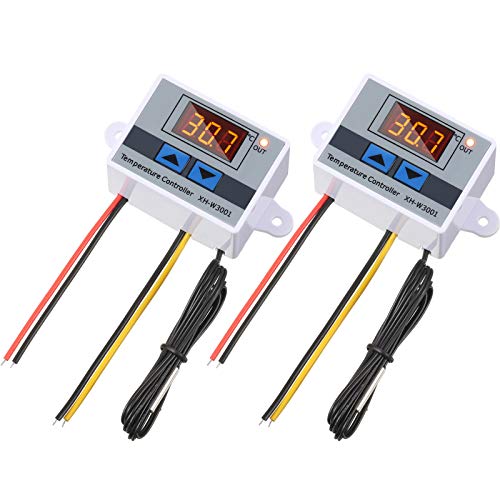
Xh-w3001 Digital LED Temperature Controller Module Digital,…
- 2 Working modes: this digital LED temperature controller module has 2 working modes, heating mode (start temperature is lower than…
- Stable and reliable: the LED indicator light can display the current output status; The digital display tube can display the measu…
- Durable material: this XH-W3001 digital thermostat switch is made of ABS, one of the five major synthetic resins, which is non-tox…
How Temperature Control Works
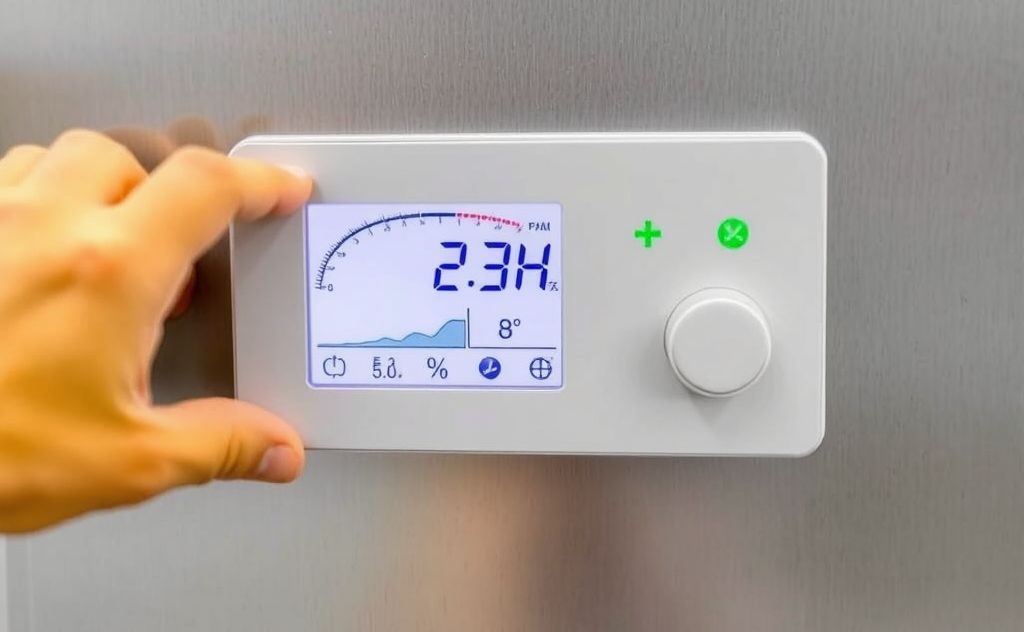
Temperature control systems use sensors, thermostats, and HVAC components to maintain set points. These systems constantly monitor conditions and make adjustments as needed.
Basic Components
- Temperature sensors measure current conditions
- Controllers process data and make decisions
- Actuators (heaters, coolers) adjust the environment
Common Applications
Temperature control appears in many settings:
| Application | Temperature Range |
|---|---|
| Food storage | 32-40°F (0-4°C) |
| Pharmaceuticals | 36-46°F (2-8°C) |
| Data centers | 64-81°F (18-27°C) |
Climate Control vs. Temperature Control

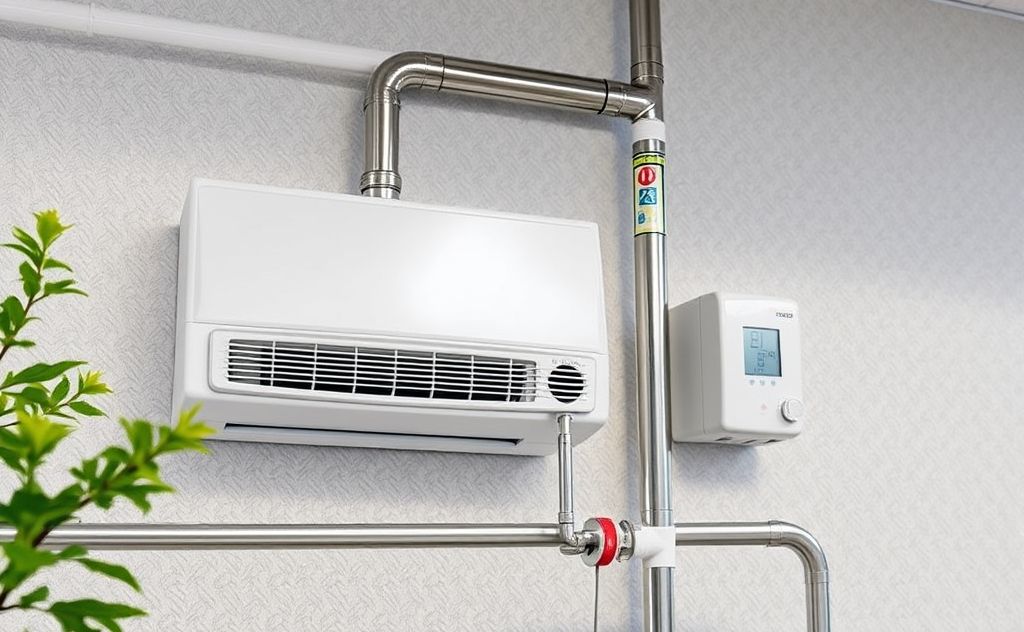
While related, these terms have distinct meanings. Climate control manages multiple factors like humidity and air quality, while temperature control focuses solely on heat levels. Many modern built-in gas heaters combine both functions for complete comfort.
Key Differences
- Climate control adjusts humidity and ventilation
- Temperature control only manages heat levels
- Climate systems often include temperature regulation
Importance in Various Industries
Precise temperature management impacts product quality and safety across sectors. The FDA requires temperature control for food transport to prevent spoilage.
Medical Applications
Vaccines and medications often require strict temperature ranges. The CDC recommends monitoring systems with alarms for medical storage.
Industrial Uses
Manufacturing processes like chemical production depend on temperature stability. Specialized water heater thermostat controls help maintain consistent conditions.
Home Temperature Control Systems
Modern homes use various technologies for comfort and efficiency. Smart thermostats can learn schedules and adjust automatically.
Popular Options
- Programmable thermostats
- Zoned HVAC systems
- Radiant floor heating
According to Energy.gov, proper thermostat use can save 10% annually on heating and cooling.
Challenges in Temperature Control
Maintaining consistent temperatures presents several technical difficulties.
Common Issues
- Heat loss through openings
- Equipment limitations
- Energy consumption
Advanced systems now use predictive algorithms to anticipate changes and adjust proactively.
Related pick: Check today's price on Amazon

HeaterGuides covers home heating, water heating and HVAC: how the equipment works, what it costs to run, and how to use it safely.
