

HVAC capacitors typically need to be replaced every 5 to 10 years, depending on usage, environmental conditions, and maintenance practices.
Your HVAC system’s capacitor is its silent workhorse – providing the crucial electrical jolt needed to start motors and keep them running. While built to last, capacitors eventually wear out, leaving you with a malfunctioning system. Understanding replacement timelines and failure symptoms helps prevent costly breakdowns.
MULBRANTEX
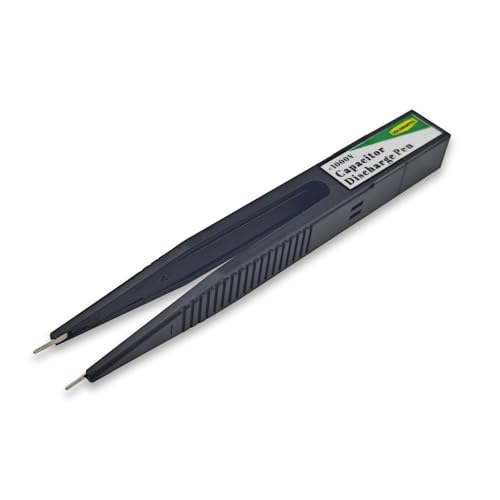
1000V High Voltage Capacitor Discharge Pen with…
- High Voltage 1000V Capacitor Discharge Pen:This capacitor discharge tool enables the safe and fast discharging of capacitors with…
- Compact & Ergonomic for Easy One-Handed Use:The Capacitor Discharge Tool design is portable and easy to handle, ensuring comfort a…
- LED Indicator for Easy Monitoring:Our Capacitor Discharge tool built-in LED light indicates when discharging occurs, ensuring safe…
How Long Do HVAC Capacitors Typically Last?
Most HVAC capacitors last between 10-15 years under normal conditions. However, several factors influence their lifespan:
- Climate: Hot, humid areas like Florida accelerate wear
- Usage frequency: Systems running constantly fail sooner
- Power quality: Voltage spikes damage components
- Installation quality: Improper sizing causes premature failure
According to HVAC professionals, capacitors in gas heating systems often outlast those in AC units due to seasonal usage patterns.
3 Key Signs Your Capacitor Is Failing
1. Extended System Startup Times
A struggling capacitor causes noticeable delays when starting your HVAC system. The typical 1-2 second startup may stretch to 5-10 seconds.
2. Unusual Operational Noises
Listen for humming, buzzing, or clicking sounds from your outdoor unit. These indicate the capacitor isn’t providing consistent power to motors.
3. Intermittent Cooling/Heating
If your system runs but doesn’t maintain temperature, the capacitor may be unable to sustain proper motor operation.
Why Professional Replacement Matters
While capacitors resemble batteries, they store dangerous electrical charges even when power is off. The University of California reports serious injuries from improper capacitor handling. Certified technicians:
- Properly discharge stored electricity
- Verify correct microfarad ratings
- Ensure proper wiring connections
- Check for underlying system issues
Capacitor Replacement Cost Factors
| Factor | Cost Impact |
|---|---|
| Single vs. dual capacitor | $50-$150 difference |
| System voltage requirements | Higher voltage = higher cost |
| Emergency service | Adds $75-$200 |
| Warranty coverage | May reduce cost significantly |
For water heater systems with capacitors, costs typically fall at the lower end of this range.
Extending Capacitor Life
Proactive maintenance can add years to your capacitor’s lifespan:
- Schedule annual HVAC tune-ups
- Install whole-house surge protection
- Ensure proper system sizing
- Keep the unit clean and unobstructed
The U.S. Department of Energy recommends shading outdoor units in hot climates to reduce capacitor stress from excessive heat.
Related pick: Check today's price on Amazon

I am a mechanical engineer and love doing research on different home and outdoor heating options. When I am not working, I love spending time with my family and friends. I also enjoy blogging about my findings and helping others to find the best heating options for their needs.
Related guides
The Best Temperature for Your HVAC System
Finding the perfect number on your thermostat feels like a modern-day quest. You want comfort, but you also…

Smart Seasonal HVAC Temperature Adjustments to Save Energy
To optimize comfort and efficiency, adjust your HVAC thermostat by 5-10 degrees for each season, ensuring proper airflow…
How Often Should You Service Your HVAC System?
HVAC systems should be serviced at least once a year, ideally before the heating or cooling season, to…
