
Key Components of a Biomass Heating System Explained
 Joye
Updated July 26, 2026
8 min read
Joye
Updated July 26, 2026
8 min read
Heater Guides is reader-supported. When you buy through links on this page we may earn a small commission — it never changes what we recommend or what you pay.
You’ve decided to switch from fossil fuels to biomass. Maybe you’re tired of volatile oil prices or want to cut your carbon footprint. Good call. But when you start looking at boilers, hoppers, and heat exchangers, it gets confusing fast. What do you actually need? What parts matter most? And how do they work together without constant headaches?
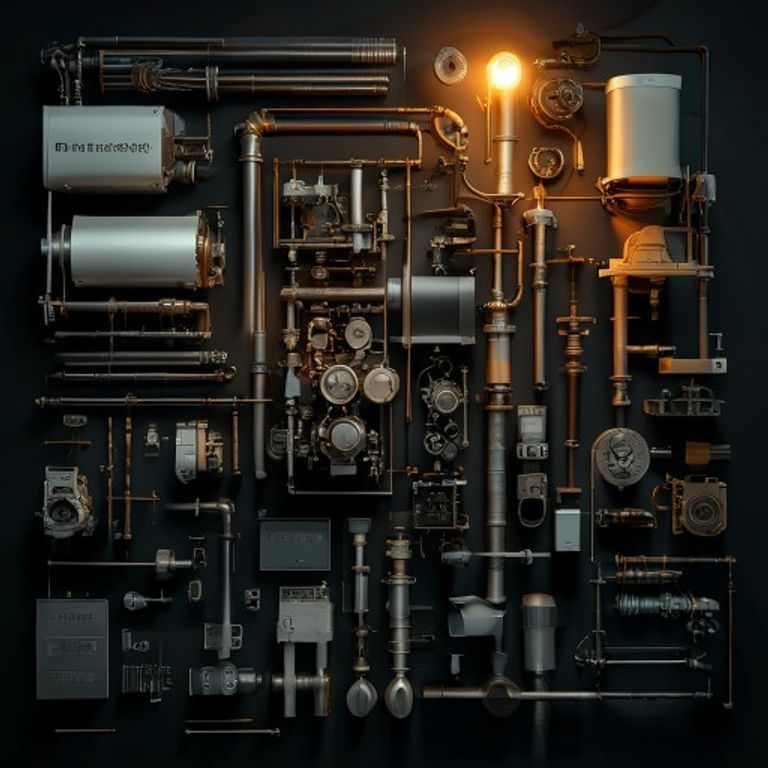
This guide walks through the key components of a biomass heating system explained in plain language. After reading, you’ll know exactly what each part does, what to look for when buying or servicing, and where a small upgrade like a reliable igniter can save you trouble. No fluff.

One part people often overlook is the igniter. The ZKRZCGXZ 220V 300W Ceramic Heating Tube is a solid replacement option for pellet stoves. It sparks the fuel so the burner lights consistently. If your stove fails to start or takes multiple tries, a worn igniter is usually the culprit. This ceramic tube model fits OD11.5*ID6.5 L100mm and runs on standard 220V. It’s a small part but a big deal for reliability.
Fuel Storage and Delivery System
Every biomass system needs a place to keep fuel dry and a way to move it into the burner. The storage method depends heavily on fuel type.
Pellet systems use a hopper — typically 50 to 200 kg capacity for residential units. The hopper feeds pellets via an auger or vacuum system. A good auger motor runs slow (around 2–4 rpm) to prevent jams. I’ve seen cheap augers break within a year because the gearbox couldn’t handle the torque on startup. Spend extra on a metal auger with sealed bearings.
Wood chip systems need a larger storage bunker, usually 3–10 cubic meters. A walking floor or hydraulic rake pushes chips onto a conveyor. The biggest mistake homeowners make is not considering the fuel’s moisture content — chips above 25% moisture will cause bridging and inconsistent feed. Test every batch.
Log boilers rely on manual loading. Storage is just a woodshed. The trade-off: no moving feed parts to break, but you’ll load logs every 6–12 hours depending on outside temperature.
Combustion Chamber and Heat Exchanger
This is where the actual burning happens and heat gets captured. Don’t confuse the two — combustion chamber is for burning; heat exchanger pulls thermal energy into the water or air circuit.
Most modern pellet boilers use a bottom-fed or top-fed burner cup. Bottom-fed burners push fuel up from below; the flame stays clean because ash falls out the sides. Top-fed designs drop pellets onto a grate and rely on air from below. Both work, but bottom-fed tends to produce less clinker (hard ash). I prefer bottom-fed for residential units under 50 kW.
The heat exchanger is typically a set of tubes or a water jacket surrounding the fire. For wood chip and log boilers, expect a multi-pass design — exhaust gases travel through steel tubes, transferring heat to water. Efficiency depends on tube cleanliness. Soot buildup of just 1 mm can drop efficiency by 5–8%. That’s why automatic cleaning mechanisms (rotating scrapers or soot blowers) are worth the extra cost.
Control System and Safety Components
A biomass system without good controls is like driving a car with no dashboard. You need to monitor temperature, oxygen levels, draft pressure, and fuel feed rate.
The main controller adjusts the combustion air fan speed based on oxygen sensor readings (lambda probe). This is critical for staying within EPA emissions limits and avoiding excess fuel wastage. Some units have a simple on/off thermostat; better ones use PID controllers that modulate fan speed in small steps. If your system cycles on and off too often (short cycling), it’s usually a control tuning issue — not a mechanical failure.
Safety components include a high-limit thermostat (cuts fuel feed if water exceeds 95°C / 203°F) and a backdraft damper to prevent flue gases from spilling into the house. For pellet stoves, a vacuum switch shuts everything down if the exhaust path is blocked. Never bypass these safeties — I’ve seen installations where someone removed the limit switch and ended up with a melted water jacket.
Smart thermostats and remote monitoring are becoming common. You can integrate a smart control system into an existing biomass setup if your boiler has a Modbus or open-therm interface. It’s not plug-and-play on every unit, so check compatibility first.
Flue System and Emissions Management
The flue (chimney) handles exhaust gases, and it’s often the source of problems. Biomass produces more creosote and particulates than oil or gas. That means a well-designed flue is not optional.
Minimum requirements: insulated stainless steel pipe with a diameter at least 150 mm for most residential units. The flue must be vertical with minimal bends — every 90° elbow adds roughly 1–1.5 meters of equivalent resistance. If you have too many elbows, the draft drops and smoke leaks into the room.
A cyclone separator or electrostatic precipitator (ESP) can reduce particulate emissions by up to 90%. Some European models include these by default; in North America they’re still optional add-ons. If you live in an area with strict air quality rules, factor in $1,000–$3,000 for an ESP. You can also use a catalytic converter (like on wood stoves) to burn off uncombusted gases, but it needs regular cleaning and replacement every 5–7 years.
Condensation in the flue is a hidden killer. If the exhaust temperature drops below 60°C (140°F), water vapor condenses and mixes with acids to corrode the pipe. That’s why modern biomass boilers have a flue gas recirculation valve that keeps temps above the dew point. Old masonry chimneys often fail here — they get cold and wet quickly.
Comparison: Fuel Types for Biomass Systems
| Fuel Type | Storage Required | Feed System | Typical Efficiency | Ash Content | Maintenance Level |
|---|---|---|---|---|---|
| Wood Pellets | Hopper 50–200 kg | Auger or vacuum | 85–92% | 0.5–1.5% | Low (monthly ash removal) |
| Wood Chips | Bunker 3–10 m³ | Walking floor / conveyor | 78–85% | 1–3% | Moderate (chip moisture check, cleaning grate) |
| Logs | Woodshed (manual) | Manual loading | 65–80% | 0.5–2% | High (daily reload, frequent cleaning) |
Pellet systems offer the best balance of convenience and efficiency, but require a steady supply of dry pellets. Chips are cheaper per BTU but need more storage space and moisture management. Logs are simplest mechanically but demand the most hands-on time.
If you’re retrofitting an existing hot water system, pay attention to how the biomass heat is transferred. Most biomass boilers feed into a buffer tank (500–2026 liters) that stores heat for the home’s radiators or underfloor loops. Without a buffer tank, the boiler will short-cycle on mild days and waste fuel. For more detail, see central heating system components and how they integrate with biomass.
Frequently Asked Questions
How often do I need to clean the heat exchanger?
Depends on fuel quality and system design. For pellets, every 2–4 weeks is typical. Wood chips need cleaning every 1–2 weeks. Log boilers are worse — every 3–7 days during heavy use. Automatic cleaning mechanisms cut that in half, but you still need to inspect tubes monthly. A dirty heat exchanger is the number one cause of efficiency drop.
Can I use my existing chimney for a biomass boiler?
Only if it’s lined with stainless steel and properly insulated. Masonry chimneys are too cold and too porous for biomass exhaust. The flue gases will condense, form creosote, and eventually corrode the brick. Worse, you risk chimney fires. Plan to install a dedicated 316L stainless flue liner. The cost is around $500–$1,500 depending on height.
What size buffer tank do I need?
A common rule: 20–30 liters per kW of boiler output. So a 30 kW boiler needs 600–900 liters. The tank lets the burner run at full load for 30–90 minutes and then stop, rather than cycling on and off every 5 minutes. Without it, you’ll burn more fuel and wear out the igniter faster. Speaking of igniters, replacing a worn one with a quality ceramic unit like the ZKRZCGXZ can restore quick startup and reduce failed light-offs.
Why does my pellet stove keep going out before the hopper is empty?
Check the igniter first. I’ve seen dozens of cases where the ceramic tube cracked or the heating wire broke internally. If the igniter doesn’t reach 800–900°C within 2 minutes, the pellets won’t light properly. Also inspect the auger for jams — a piece of bark or a deformed pellet can stop feed. Clean the burn pot and check the exhaust blower. Clogged fly ash reduces draft and kills the flame.
Do I need an emissions permit for a biomass system?
In many jurisdictions, yes. The U.S. EPA regulates wood heaters under the New Source Performance Standards. Units must be certified for particulate emissions below 2.5 g/h for pellet stoves (2026 standard). Some states like Washington and Oregon have even stricter limits. Check with your local air quality agency before purchasing. For larger systems (over 1 million BTU/h), you’ll need a full air permit.
What to Remember When Choosing or Maintaining a Biomass System
- Fuel storage matters more than you think. A wet or undersized storage setup ruins everything downstream.
- The heat exchanger is the most maintenance-sensitive part. Budget for either automatic cleaning or a strict cleaning schedule.
- Don’t cheap out on the flue. An insulated stainless steel liner is not optional — it’s the difference between a system that lasts 20 years and one that needs replacing in 5.
- A buffer tank pays for itself in fuel savings and reduced stress on the burner. Size it correctly the first time.
- Controls vary wildly. A PID controller with lambda probe is worth the premium over basic on/off systems.
- Igniters wear out. Keep a spare on hand and replace at the first sign of slow light-offs. The ZKRZCGXZ ceramic tube is a direct-fit upgrade for many pellet stoves.
- If you’re integrating biomass with an existing setup, read up on biomass heating basics to understand the full picture before you buy.

I am a mechanical engineer and love doing research on different home and outdoor heating options. When I am not working, I love spending time with my family and friends. I also enjoy blogging about my findings and helping others to find the best heating options for their needs.
Related guides
Community Programs Driving Biomass Heating Adoption Nationwide
You've probably heard someone say they cut their heating bill in half by switching to pellets. Maybe you…
Biomass Heating Safety: Key Considerations & Tips
Biomass heating offers a compelling, sustainable alternative to fossil fuels. You're harnessing organic materials like wood pellets, chips,…

Is Biomass Heating Truly Sustainable? Key Facts Revealed
You have read the claims. Biomass heating is renewable, carbon neutral, a win for the planet. But then…