

The essential components of a hot water system for central heating include a boiler, pump, expansion tank, radiators, and piping for efficient heat distribution.
A hot water central heating system provides consistent warmth throughout a building by circulating heated water via pipes to radiators or underfloor heating. Understanding its key components ensures efficient operation and proper maintenance.
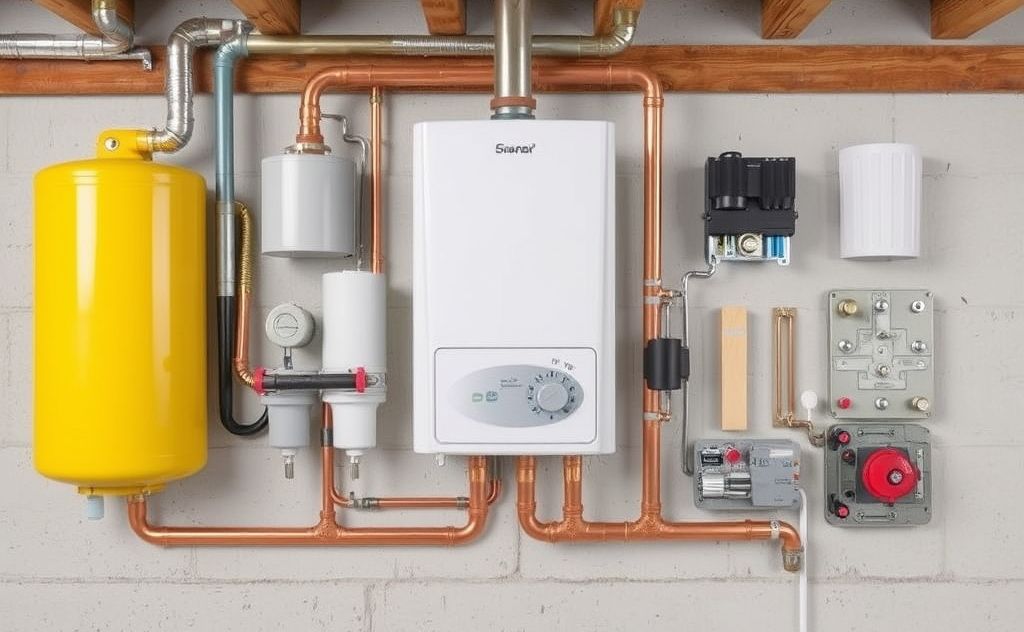
Core Components of Hot Water Central Heating
1. Boiler (Heat Source)
The boiler is the heart of the system, heating water using gas, oil, electricity, or renewable energy sources. Modern combi boilers, like the Stiebel Eltron Tempra 36, provide both space heating and domestic hot water efficiently.
2. Pipe Network
Pipes distribute hot water from the boiler to radiators or underfloor heating loops. Copper and PEX are common materials, with proper insulation to minimize heat loss.
3. Radiators or Baseboard Heaters
These heat emitters transfer warmth from hot water to rooms. Aluminum and steel radiators are popular for their heat output and modern designs.
4. Circulating Pump
The pump maintains water flow through the system. Variable-speed pumps adjust flow based on demand, improving energy efficiency.
5. Expansion Tank
This component accommodates water expansion as it heats, preventing pressure buildup that could damage the system.
6. Thermostat and Controls
Smart thermostats optimize heating schedules while zone valves allow temperature control in different areas. The best water heater thermostat controls offer precise temperature management.
7. Safety Valves
Pressure relief valves and air vents ensure safe operation by releasing excess pressure and trapped air.
How the System Works
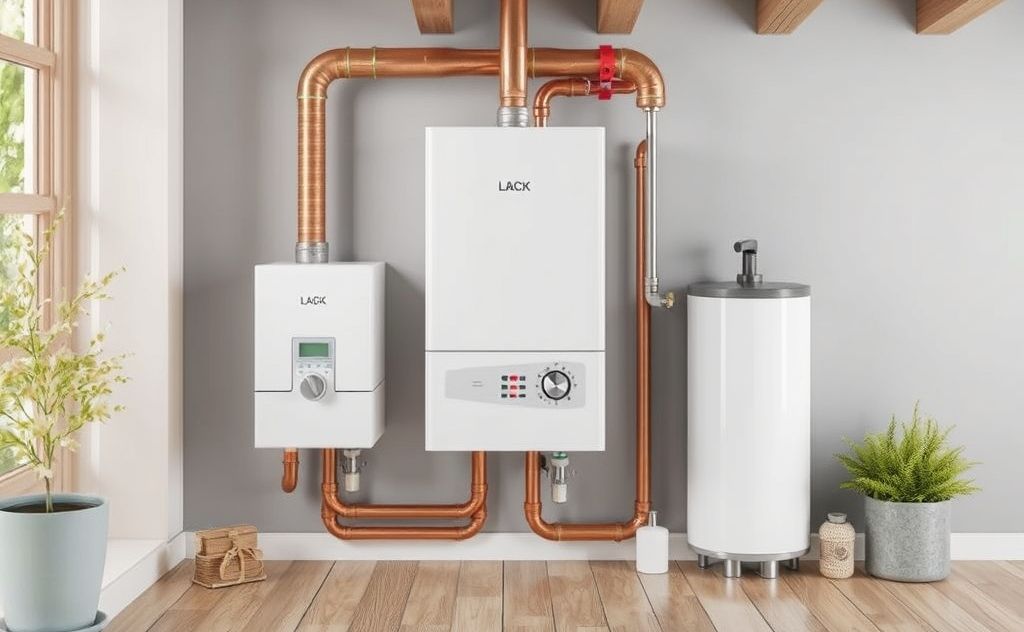
The boiler heats water which is pumped through pipes to radiators. As water cools, it returns to the boiler to be reheated, creating a continuous loop. According to Lochinvar, modern combi boilers can achieve efficiencies up to 95% by recovering heat from exhaust gases.
Maintenance Essentials
Regular maintenance extends system life and efficiency:
- Annual boiler servicing
- Bleeding radiators to remove air pockets
- Checking pressure levels
- Inspecting for leaks
- Flushing the system to remove sludge
For specialized components like the anode rod, replacement every 3-5 years prevents tank corrosion.
System Variations
| System Type | Advantages | Considerations |
|---|---|---|
| Conventional (with tank) | Stable hot water supply | Space requirements |
| Combi (tankless) | Compact, energy efficient | Limited simultaneous use |
| System boiler | Good for multiple bathrooms | Requires cylinder space |
As noted by Tameson, hydronic systems provide more consistent heat than forced air systems without circulating dust or allergens.
Energy Efficiency Tips
- Insulate pipes and boiler
- Install thermostatic radiator valves
- Use weather compensation controls
- Consider a smart thermostat
- Upgrade to a condensing boiler
Related pick: Check today's price on Amazon

I am a mechanical engineer and love doing research on different home and outdoor heating options. When I am not working, I love spending time with my family and friends. I also enjoy blogging about my findings and helping others to find the best heating options for their needs.
Related guides

What Is The Ideal Central Hot Water Temperature?
The temperature of central hot water systems typically ranges from 120°F to 140°F (49°C to 60°C) for safe…
15 Hot Water Saving Tips for Central Heating Systems
The best practices for saving hot water in central heating include insulating pipes, using a programmable thermostat, and…
How Hot Water Distribution Works in Central Heating Systems
Hot water distribution in central heating systems circulates heated water from a boiler through pipes to radiators or…