

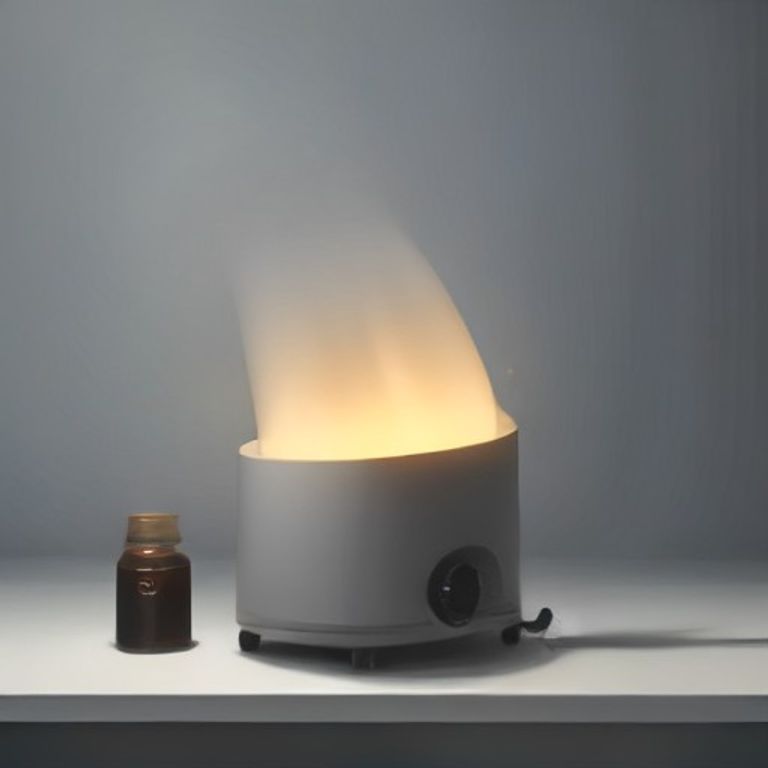
Understanding Oil Portable Heaters: How They Work
An oil portable heater isn’t complicated. Inside a metal casing sits a sealed reservoir of thermal oil. An electric element heats that oil, and the oil circulates naturally through fins. The fins radiate heat into the room. No fan, no combustion, no exposed coils.
The oil never burns, never needs refilling, and never degrades. It’s a closed system. The heater’s job is to transfer heat from the element to the metal surfaces, then to the air around them. That’s why they’re called oil-filled radiators—they work like the old steam radiators but without the boiler.

PELONIS
PELONIS Radiator Heater for Large Space, Electric…
- 𝑭𝒂𝒔𝒕 𝑯𝒆𝒂𝒕𝒊𝒏𝒈, 𝑳𝒂𝒔𝒕𝒊𝒏𝒈 𝑪𝒐𝒎𝒇𝒐𝒓𝒕: The 1500W power heats the whole house rapidly and the hot air circulation delivers long-lasting and…
- 𝑬𝒏𝒆𝒓𝒈𝒚 𝑬𝒇𝒇𝒊𝒄𝒊𝒆𝒏𝒕: Equipped with 3 heating modes 600W/900W/1500W, which can also be used in combination to help save energy bills i…
- 𝑾𝒉𝒊𝒔𝒑𝒆𝒓-𝑸𝒖𝒊𝒆𝒕: Lacking of fan construction, PELONIS oil heater is super quiet, perfect for bedrooms, offices, rooms and other indo…
Because there’s no fan, the heat spreads slowly but evenly. You won’t feel a blast of hot air. Instead, the room warms gradually, and the heat lingers after the unit cycles off. That changes how you use them, and it’s the key to understanding ideal conditions for using an oil portable heater.
Why Choose an Oil Portable Heater? Unique Benefits
The PELONIS Radiator Heater for Large Space is a good example of what modern oil heaters offer. It runs at 1500W, has three heat settings (600W/900W/1500W), and uses dual knobs for simple control. It’s quiet, portable on casters, and includes tip-over and overheat protection. You can check current pricing on Amazon if you’re considering one.
Quiet, Consistent Radiant Heat
Oil heaters make almost no sound. The only noise you might hear is a faint click from the thermostat. That’s it. No fan whir, no hum, no ticking as metal expands. For a bedroom, a nursery, or an office where you’re on calls, this is a real advantage.
Radiant heat also feels different from forced air. It doesn’t dry out your eyes or sinuses the way fan heaters can. People with allergies or asthma often prefer it because there’s no airflow to stir up dust. The heat is gentle and steady, not a blast that leaves you cold the moment it shuts off.
Energy Efficiency for Sustained Warmth
Oil heaters aren’t the fastest to warm a room, but they hold heat well. The oil retains warmth after the element shuts off, so the heater cycles on and off less frequently than a fan heater. Over several hours, that can mean lower energy use than running a 1500W fan heater continuously.
The three power settings matter. Use 600W for a small room or when you just need to take the chill off. Bump to 900W for a medium room. Save 1500W for a large space or when the outside temperature drops below freezing. Matching the setting to the room size and your comfort needs is the real trick to saving money.
Built-in Safety Features and Design
Modern oil heaters come with multiple safety layers. Most have overheat protection that shuts the unit off if internal temperatures climb too high. Tip-over switches kill power if the heater gets knocked over. Many models also have a cool-touch exterior, at least on the sides and top, which reduces burn risk.
That doesn’t mean they’re risk-free. The surface can still get hot enough to cause burns if you touch it for more than a second. And the heater draws a lot of power—1500W is about 12.5 amps on a standard 120V circuit. You should never plug it into an extension cord or a power strip rated for less than that. More on placement later.
Ideal Room Conditions for Optimal Performance
Oil heaters shine in specific environments. Know those conditions, and you’ll get the most warmth for the least electricity.
Room Size, Insulation, and Airflow
An oil heater’s output is measured in watts, but its effectiveness depends on the room. A 1500W oil heater can heat roughly 150 to 300 square feet, depending on insulation and ceiling height. That’s a typical bedroom, home office, or small living room. Push it into a 500-square-foot open-plan space with high ceilings, and you’ll feel warm only if you’re sitting right next to it.
Insulation is everything. In a well-insulated room with double-pane windows and sealed drafts, a 1500W oil heater will maintain a comfortable temperature even when it’s freezing outside. In a drafty old house with single-pane windows, the same heater will struggle to keep a single room above 60°F. The heat loss outpaces the heat output.
Airflow matters too. Oil heaters work best in enclosed spaces where air can circulate naturally. If you leave the door open to a hallway or a larger area, the heat will dissipate. Close the door to the room you’re heating, and the heater becomes much more effective. That’s the principle of zone heating—heat only the space you’re using.
Integration with Existing Heating Systems
Oil heaters are rarely a whole-house solution. They’re a supplement. If you have central heating, you can set the thermostat lower—say, 60°F instead of 68°F—and use an oil heater in the room you’re occupying. That cuts your central heating bill because you’re not warming the whole house to a high temperature.
They also work well in spaces that central heating doesn’t reach: a converted garage, a sunroom, a basement office, or an addition that wasn’t properly ducted. In those spots, an oil heater can be the primary heat source for the hours you’re there.
But don’t expect it to replace a furnace in a cold climate. If your house is poorly insulated and the temperature drops below 20°F, an oil heater alone won’t cut it. It’s a comfort tool, not a winter survival system.
Best Use Cases: When Oil Heaters Truly Shine
Once you understand the conditions, you can pick the right tool for the job. Here’s where oil heaters beat other options.
Supplemental Heating for Bedrooms, Offices, and Nurseries
Bedrooms are the classic use case. You want quiet heat that doesn’t wake you up. An oil heater with a thermostat can keep a bedroom at a steady 68°F all night without making a sound. Set it to a lower wattage (600W or 900W) to save energy, and let the thermostat do the work.
Home offices benefit too. If you work from home, you don’t want a noisy fan heater interrupting your video calls. An oil heater sits quietly in the corner, keeping the room comfortable. Just make sure it’s at least three feet away from your desk so you don’t accidentally knock it over.
Nurseries are a bit more delicate. You want warmth without dry air or loud fans. An oil heater can provide that, but you need to be extra careful about placement. Keep it away from cribs and curtains, and use a model with a cool-touch exterior to reduce burn risk.
Maintaining Warmth in Moderately Cold or Drafty Spaces
Oil heaters are great for taking the edge off a cold room. If your living room is 55°F and you want it at 65°F, an oil heater will get you there in about 20 to 30 minutes. It won’t be instant, but the heat will feel more comfortable than a fan heater’s hot blast.
They’re also good for drafty rooms. The radiant heat warms surfaces—your desk, your chair, the floor—not just the air. That makes the room feel warmer even if the thermostat reads the same. You’ll notice it when you sit down: the chair isn’t cold, and your feet aren’t freezing.
One caveat: oil heaters are heavy. The PELONIS model has casters and a handle, so you can move it from room to room, but it’s not something you want to haul around every day. Pick a spot and leave it there for the season.
Allergy-Friendly and Low-Noise Heating Solutions
If you have allergies, asthma, or just a sensitivity to dry air, oil heaters are a solid choice. They don’t blow air around, so dust and pollen stay put. They also don’t dry out your nasal passages the way forced-air heat does. The heat is moist, in a relative sense, because it doesn’t strip humidity from the air.
That’s a huge plus for people who wake up with a sore throat or dry eyes in winter. An oil heater keeps the room warm without turning it into a desert. You might still want a humidifier if your house is very dry, but you’ll likely need it less often.
Maximizing Efficiency and Safety: Best Practices
Getting the most from an oil heater isn’t just about turning it on. It’s about using it smartly.
Optimal Thermostat Settings and Zone Heating Strategies
Set the thermostat on the heater to a comfortable temperature, not a maximum. For most people, that’s between 68°F and 72°F. If you set it higher, the heater will run longer and use more energy. The room won’t get much warmer, but your bill will.
Zone heating is the other half of the strategy. Pick one or two rooms you use most, and heat those with the oil heater. Turn down the central thermostat to 60°F or 62°F. You’ll save 10-20% on your heating bill, depending on your home’s size and insulation. The oil heater pays for itself in a season.
Use the low wattage settings when you can. A 600W setting is enough to maintain warmth in a small, well-insulated room. You only need 1500W for a large space or when the temperature outside is below freezing. Running the heater at 900W instead of 1500W can cut energy use by 40%.
Essential Safety Guidelines and Placement
Placement is the #1 safety factor. Keep the heater at least three feet away from anything that can burn—curtains, bedding, furniture, paper. Never set it on a table or a shelf. It needs to sit on the floor, on a flat, stable surface.
Don’t cover the heater with clothes or a blanket to dry them. That’s a fire hazard. The heater’s overheat protection might shut it off, but it could also ignite the material. Use a drying rack in a different room.
Plug it directly into a wall outlet. Extension cords and power strips can overheat, especially with a 1500W draw. If you must use an extension cord, use a heavy-duty 14-gauge one rated for the wattage, and keep it as short as possible.
Check the cord regularly for cracks or fraying. If the heater trips a breaker or the plug feels hot, stop using it and have it inspected. These are simple checks, but they prevent most electrical problems.
Regular Maintenance for Longevity
Oil heaters need almost no maintenance, but a few habits help. Dust the fins and the exterior every couple of weeks. Dust buildup reduces heat transfer and makes the heater work harder. A soft brush or a vacuum with a brush attachment works well.
Don’t try to refill or drain the oil. That’s a sealed system, and messing with it can cause leaks or damage. If you notice oil on the floor or a strong smell, shut the heater off and contact the manufacturer. That’s rare, but it happens.
Before storing the heater for the summer, clean it, wrap the cord, and keep it in a dry place. A cover or a large plastic bag keeps dust off. When you bring it out next fall, give it a quick wipe and a test run.
When to Consider Alternative Heating Solutions
Oil heaters aren’t the answer for every situation. Here’s when you should look elsewhere.
If you need instant heat—say, you’re stepping out of a shower and want the bathroom warm in 5 minutes—a fan heater or a radiant infrared heater is better. Oil heaters take 15-20 minutes to reach full output. They’re not a quick fix.
If you’re heating a large, open space like a garage or a workshop, a propane or forced-air heater might be more practical. Those units produce a lot of heat quickly and don’t rely on electricity. That’s a different use case entirely. You can read a comparison of propane heater options for those situations.
If you’re off-grid or relying on solar power, oil heaters draw a lot of electricity. A 1500W unit will drain a battery bank quickly. You’d be better off with a wood stove or a propane heater that doesn’t depend on the grid.
And if your home is very poorly insulated, no portable heater will solve the problem. You need to seal drafts, add insulation, or upgrade your windows first. An oil heater will just run constantly and cost you a fortune.
What to Look For in a Portable Oil Heater
If you’re shopping, here’s what actually matters, based on real-world use.
Wattage and controls. A 1500W heater is the standard for most rooms. Look for multiple power settings (like 600W/900W/1500W) so you can match output to the room. Digital thermostats are nice, but dual knobs are simpler and less likely to break. The PELONIS model uses dual knobs—one for power, one for thermostat—which I find more intuitive than fiddly digital controls.
Safety certifications. Look for UL or ETL certification. That means the unit has been tested for electrical safety. Also check for tip-over and overheat protection. These are standard on most modern models, but confirm before you buy.
Portability. A handle and casters are essential if you plan to move the heater between rooms. The PELONIS has four universal casters and a front handle, so you can roll it around without lifting. That’s a feature you’ll appreciate every day.
Noise and odor. Oil heaters are silent, but some models have a slight odor when they’re new. That’s the factory coating burning off. It goes away after a few hours. If it doesn’t, that’s a red flag.
For more detail on choosing the right spot, check out this placement guide.
Comparison: Oil Heaters vs. Other Portable Heaters
Here’s how oil heaters stack up against the other common types, based on ideal conditions for use.
| Feature | Oil-Filled Radiator | Fan Heater | Infrared Heater | Ceramic Heater |
|---|---|---|---|---|
| Heat-up time | 15-20 minutes | 1-2 minutes | Immediate | 5-10 minutes |
| Noise level | Silent | Loud (fan) | Silent | Moderate (fan) |
| Heat retention | High (oil holds heat) | Low (shuts off instantly) | Low (heats objects, not air) | Medium |
| Best room size | 150-300 sq ft | 100-200 sq ft | 100-200 sq ft (line-of-sight) | 100-200 sq ft |
| Energy efficiency | High for sustained use | Medium (runs constantly) | High for spot heating | Medium |
| Safety for kids/pets | Good (cool-touch exterior) | Fair (hot air blast) | Fair (hot surface) | Good (low surface temp) |
| Ideal use case | Bedrooms, offices, all-night use | Quick warm-up in a small room | Heating a person, not a room | Small rooms, quick heat |
| Air quality impact | None (no fan, no dryness) | Stirs dust, dries air | None | Stirs dust slightly |
That table tells you what I’ve found over years of testing: oil heaters win when you want steady, quiet, comfortable heat for hours. Fan and ceramic heaters win when you’re in a hurry. Infrared is best for heating a person sitting across the room, not the whole space.
Frequently Asked Questions
How long does an oil heater take to heat a room?
Expect 15 to 20 minutes for a noticeable temperature rise in a typical bedroom. It takes longer in a larger or drafty room. The heat is gradual, but it’s also more even. You won’t get a hot blast followed by a cold spot.
Is it safe to leave an oil heater on overnight?
Yes, with the right precautions. Modern oil heaters have overheat protection and tip-over switches. Place it on a flat surface, keep it away from flammable materials, and plug it directly into a wall outlet. I’ve left one running all night in a bedroom many times without issue. Just don’t cover it or set it on a carpet that could block airflow.
Do oil heaters use a lot of electricity?
They use the same electricity as any 1500W heater—about 1.5 kWh per hour at full power. But because they cycle on and off with the thermostat, they actually run less than a fan heater. Over a 10-hour night, an oil heater might run 6 hours total, using about 9 kWh. That’s roughly $1.50 at average rates. Using the lower wattage settings reduces that further.
Can I use an oil heater in a garage or workshop?
Only if the space is enclosed and insulated. Oil heaters are not designed for outdoor or semi-open spaces. They work best in small, sealed rooms. A drafty garage will just eat the heat. For a garage, you’d be better off with a propane or forced-air heater. Check out this comparison of forced-air heaters if that’s your situation.
Why does my oil heater smell when I first turn it on?
That’s the protective coating burning off the metal fins. It’s normal and should disappear within a few hours of use. If the smell persists or gets stronger, turn the heater off and inspect it. A burning smell could mean dust buildup or an electrical issue.
Final Thoughts: Making the Right Heating Choice
Oil portable heaters are the right tool for a specific job: quiet, steady, comfortable warmth in a small to medium-sized room for hours at a time. They’re not fast, they’re not portable in the backpack sense, and they won’t heat a whole house. But for a bedroom, an office, or a nursery, they’re hard to beat.
- Match the wattage to the room size: 600W for small rooms, 900W for medium, 1500W for large or cold spaces.
- Use the thermostat, not the max setting, to avoid wasting energy.
- Place the heater at least 3 feet from anything flammable, and never cover it.
- Plug directly into a wall outlet, not an extension cord or power strip.
- Dust the fins monthly to keep heat transfer efficient.
- Use it as a zone heater: turn down your central thermostat and heat only the room you’re in.
- Consider a model with casters and a handle for easy movement between rooms.
If you’re still deciding between an oil heater and a propane or forced-air unit, weigh the trade-offs. Oil is quieter and safer indoors, but propane is more portable and doesn’t need electricity. For most people, an oil heater is the better everyday choice for the winter months.

I am a mechanical engineer and love doing research on different home and outdoor heating options. When I am not working, I love spending time with my family and friends. I also enjoy blogging about my findings and helping others to find the best heating options for their needs.
Related guides
Essential Oil Portable Heater Safety Tips to Prevent Fires
Understanding Essential Oil Portable Heaters and Their Risks You plug in a small diffuser on your nightstand, add…
How Long Do Portable Oil Heaters Last? Lifespan & Care Tips
How Long Do Portable Oil Heaters Truly Last?Most portable oil heaters last between 15 and 20 years with…

How to Maximize Your Oil Portable Heater’s Efficiency
To optimize the efficiency of an oil portable heater, regularly clean filters, maintain proper ventilation, and set the…