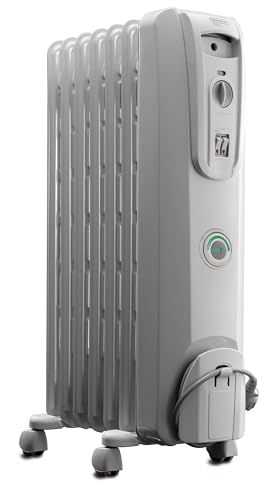
Oil Portable Heater Maintenance in 30 to 60 Minutes
Joye
Updated September 28, 2026 8 min read
Bottom line
Maintaining an oil portable heater involves cleaning, safety checks, and inspection steps that take about 30 to 60 minutes and can be done by most homeowners safely.
Keeping your oil portable heater in good shape ensures it runs efficiently and safely through the cold months. This job involves a few straightforward steps like cleaning, checking for leaks, and inspecting electrical components.
Doing these tasks regularly avoids costly repairs, improves comfort, and reduces fire risk. You don’t need a pro for most of this, but some checks require caution and the right tools.
Key takeaways
Regular cleaning every few weeks prevents dust buildup that cuts heat output.
Check for oil leaks monthly to avoid damage and hazards — oil-filled heaters never need refilling.
Inspect power cords and plugs before each season to prevent electrical faults.
Avoid placing heaters near flammable materials and never use extension cords.
Call a licensed technician if you detect leaks, electrical damage, or if your heater has venting or gas components.
How to Maintain an Oil Portable Heater
Maintaining an oil portable heater requires regular cleaning, leak checks, electrical safety inspection, thermostat calibration, and proper storage to keep it running safely and efficiently. This process usually takes 30 to 60 minutes and can be done by most homeowners without special tools.
Regular maintenance ensures safe and efficient heater operation.
1
Unplug and cool the heater
Always unplug your oil-filled radiator or electric oil heater and let it cool completely before doing any maintenance to prevent burns and electrical hazards.
2
Clean the exterior and vents
Use a soft cloth dampened with mild soapy water to wipe down the outside surfaces and vents. Avoid abrasive cleaners or spraying water directly. Dust and dirt block airflow and reduce heating efficiency.
3
Check for oil leaks
Inspect the heater’s base, seams, and any visible joints for wet spots or a strong oil smell. Oil-filled radiators contain a sealed mineral oil; any leak means a damaged casing that needs professional repair or replacement.
4
Inspect the power cord and plug
Look for cracks, fraying, or exposed wires on the cord and plug. A damaged power cord risks electrical shock or fire and requires replacement. Never use an extension cord or power strip with your heater.
5
Test the tip-over and overheat safety features
Tilt the heater slightly to activate the tip-over switch; it should cut power instantly. For overheat protection, check for error indicators or consult the manual to run a self-test if available.
6
Calibrate the thermostat
Compare the room temperature on a reliable thermometer with your heater’s thermostat setting. If the heater overheats or underheats, adjust the thermostat dial or digital control as per the manual’s calibration instructions.
7
Store the heater properly in off-season
Keep the heater in a dry, dust-free place away from direct sunlight and freezing temperatures. Cover it with a breathable cloth to protect from dust but avoid plastic covers that trap moisture and cause corrosion.
Tools and Parts You’ll Need
Basic tools and replacement parts for oil portable heater upkeep
Safe & Portable
Tangkula 700W Oil-Filled Portable Heater
This compact 700W heater is easy to move and has multiple safety sensors, making it ideal for homeowners who want simple, safe maintenance without refilling oil.
With 1500W power and three heat settings, this heater balances strong output with silent operation and maintenance-free oil, perfect for thorough upkeep checks.
This 1500W heater uses ComfortTemp to optimize power use and heat flow, reducing dry air and dust disturbance, which helps protect your heater’s internals during maintenance.
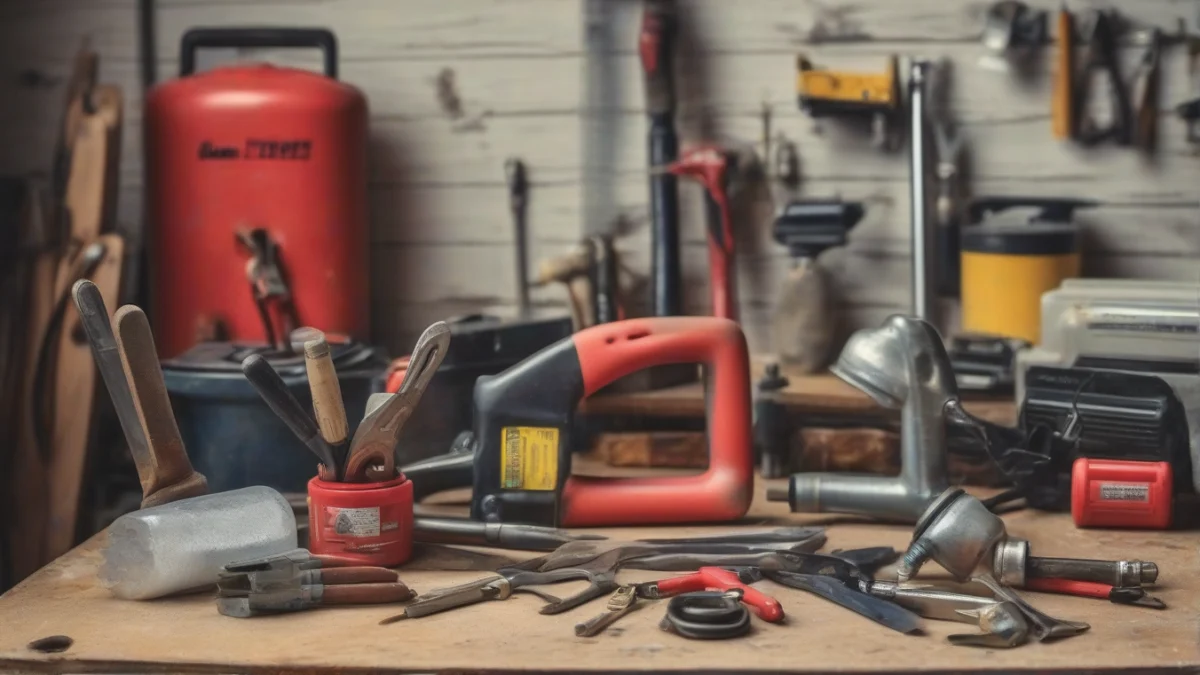
Maintaining your oil portable heater requires a handful of basic tools and parts you should keep on hand. These help with cleaning, electrical checks, and replacing worn components so your heater runs safely and reliably.
Having the right tools on hand makes maintenance easier.
Basic Cleaning Supplies
Lint-free cloths to wipe dust from surfaces and vents
Mild detergent and water for external cleaning only—never harsh solvents
Soft brush or vacuum attachment to remove dust from grills and coils
Electrical Inspection Tools
Multimeter or voltage tester to check outlet and cord continuity
Non-contact voltage detector for quick power presence tests
Replacement fuse or circuit breaker rated for your heater’s amperage (typically 12.5 A for 1,500 W heaters)
Replacement Parts
Power cord designed for your model—never substitute a generic cord
Thermostat unit if your heater’s temperature control becomes inaccurate
Tip-over switch if your model includes one and it fails safety tests
Safety Equipment
Insulated gloves for handling electrical components
Safety goggles to protect eyes during cleaning or repairs
Carbon monoxide detector for fuel-burning models (not electric)
Portable heater maintenance often means cleaning dust and checking electrical parts to avoid failures. Portable electric heaters need cords and thermostats in good shape, so replace these at the first sign of wear. Keeping safety gear ready helps you avoid shocks or eye injuries during repairs.
Common Mistakes That Cause Damage or Leaks
Damage and leaks in oil portable heaters often come from avoidable errors in cleaning, placement, and electrical care. Spotting these mistakes early protects your heater and your space.
Incorrect Cleaning Methods
Using harsh solvents or spraying water directly into your heater can damage seals and electrical parts. Stick to damp cloths and mild soap on external surfaces only. Avoid opening the heater housing for cleaning unless you’re qualified.
Ignoring Oil Stains or Leaks
An indoor portable heater leaking oil is a clear warning. Oil leaks degrade heater parts and can stain floors or carpets. If you see oil spots, stop using the heater until a professional checks it. Continuing to run a leaking heater risks fire and further damage.
Using Extension Cords or Unstable Placement
Plug portable heaters directly into a wall outlet. Extension cords can overheat and cause electrical faults, a leading cause of portable heater no electricity issues. Also, place your heater on a flat, stable surface to prevent tip-overs that can break internal parts or start fires.
Skipping Electrical Checks
Failing to test power cords and outlets can leave your heater running on damaged wiring. That’s a common cause of heater failure and fire risk. Regularly use a multimeter to check continuity and outlet voltage, especially before peak heating season.
Myth
Portable heater safety means just turning it off when not in use
Fact
Safety includes cleaning, checking for leaks, testing electrical parts, and stable placement. Neglecting these raises fire and injury risks.
Catching oil leaks, avoiding risky electrical setups, and using correct cleaning methods keep your oil portable heater safe and efficient. Fix small issues early and never ignore signs like oil stains or electrical faults. For persistent problems, consult a technician rather than pushing your heater beyond safe limits.
When to Call a Licensed Technician or Get Permits
You should call a licensed technician if your portable oil heater shows signs of leaks, unusual noises, persistent electrical issues, or fails to heat properly. Portable heater repair often needs expert diagnosis because internal components like thermostats, electrical wiring, or fuel lines require specialized tools and knowledge.
Portable Heater Safety
Never ignore fuel odors, smoke, or the heater shutting off unexpectedly. These can signal dangerous leaks or electrical faults that must be addressed immediately by a professional to avoid fire or carbon monoxide risks.
For oil boilers used in home heating systems, maintenance checklists usually include inspection of the burner, fuel supply lines, and safety controls. Any repairs beyond cleaning or replacing simple filters should be done by licensed HVAC technicians to comply with manufacturer guidelines and local codes.
Legal requirements often mandate permits for gas or vented heaters, including installation, venting changes, or major repairs. This ensures proper combustion venting and carbon monoxide safety, which are critical for indoor air quality and code compliance.
Electrical work on oil portable heaters, such as replacing power cords or internal wiring, generally requires a licensed electrician. This is to ensure connections meet the National Electrical Code, preventing risks like shock or fire from improper wiring.
Signs You Need a Pro
Fuel smell or visible leaks
Heater won’t ignite or stays off
Sparking or burning smell from electrical parts
Frequent tripping of circuit breakers
Inadequate heating despite normal operation
Installation or venting modifications
If you are unsure about a repair or notice any of these signs, calling a licensed technician is the safest course. They have the training, certification, and tools to handle fuel, electrical, and venting issues safely and according to code.
For routine maintenance without repairs, follow manufacturer instructions carefully and keep your heater clean and stored correctly between seasons. But when in doubt, professional service prevents costly damage and protects your household.
Frequently Asked Questions
How often should I clean my oil portable heater?
You should clean your oil portable heater at least once every three months during the heating season. Dust and dirt buildup can reduce efficiency and cause overheating. If you use the heater daily or in dusty environments, increase cleaning frequency to monthly.
Can I refill the oil in my oil-filled heater?
No, oil-filled heaters are sealed units and not designed to be refilled. The oil inside acts as a heat reservoir and does not burn or get consumed. Attempting to open or refill the unit risks damage and voids the warranty.
Is it safe to use extension cords with portable heaters?
Extension cords are generally not recommended for portable heaters because they draw high current—typically up to 12.5 amps for a 1,500 W model. Using an extension cord can cause overheating or fire hazards unless it’s a heavy-duty cord rated for the heater’s amperage. Plugging directly into a wall outlet is safest.
When should I replace the thermostat on my oil heater?
Replace the thermostat if you notice the heater cycles on and off too frequently, fails to reach the set temperature, or if the temperature control feels unresponsive. Thermostats can degrade over years of use, usually after 5 to 10 years, but unusual behavior is a sign to check sooner.
Share
Written byJoye
HeaterGuides covers home heating, water heating and HVAC: how the equipment works, what it costs to run, and how to use it safely.