Eco-friendly insulation alternatives include cellulose, sheep’s wool, cork, and spray foam, all enhancing heater efficiency while reducing environmental impact.
Upgrading your home’s insulation with eco-friendly materials can dramatically improve heater efficiency while reducing environmental impact. These sustainable options outperform traditional fiberglass in thermal performance, indoor air quality, and long-term cost savings.
INSULATION MARKETPLACE
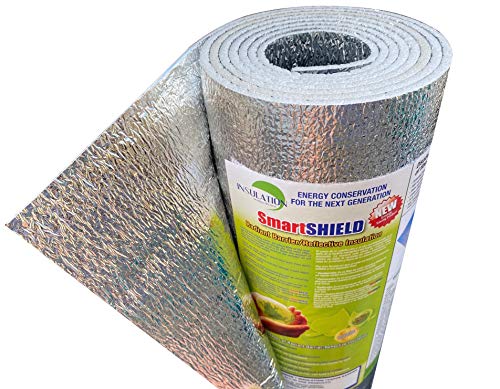
INSULATION MARKETPLACE SmartSHIELD -3mm 16inx10Ft ReflectiveINSULATION roll,…
- EXTREMELY EFFECTIVE - reflect 95% of radiant energy, perfect RADIANT BARRIER.
- VAPOR BARRIER -Unaffected by humidity and moisture, can be used indoor/outdoor.
- SUPREME QUALITY - 3mm closed cell polyethylene FOAM ( not a cheap bubbles) sandwiched between highly reflective Engineered Foil on…
Why Choose Eco-Friendly Insulation?
Green insulation materials offer three key advantages for homeowners focused on energy efficiency:
- Higher R-values per inch compared to conventional options
- Natural moisture regulation that prevents heat loss
- Non-toxic compositions that maintain healthy indoor air
Cellulose Insulation
Made from 80-85% recycled newspaper, cellulose provides exceptional thermal performance with minimal environmental impact. Its dense packing (3.5 lbs/ft³) creates superior air sealing compared to modern heater materials.
Key Benefits:
| Feature | Advantage |
|---|---|
| R-Value | 3.2-3.8 per inch |
| Fire Resistance | Borates treatment provides Class A rating |
| Installation | Perfect for retrofitting existing walls |
Sheep’s Wool Insulation
Natural wool fibers create a breathable insulation that regulates humidity while trapping heat. Unlike synthetic materials, wool maintains its R-value (3.5-4.0 per inch) even when damp, making it ideal for gas heater installations in basements or crawl spaces.
Performance Highlights:
- Absorbs and releases moisture without losing effectiveness
- Naturally resists mold, mildew, and pests
- Lasts 50+ years with proper installation

Innovative Plant-Based Options
Hemp Insulation
Hempcrete (hemp hurd mixed with lime) offers excellent thermal mass properties. According to EarthShare NJ, hemp insulation sequesters 110-160 kg of CO₂ per cubic meter during growth.
Cork Insulation
Harvested from renewable cork oak bark, this material provides both insulation and soundproofing. Its cellular structure contains suberin, a natural fire retardant.
Recycled Material Solutions
Denim Insulation
Made from post-consumer blue jeans, this cotton fiber insulation offers R-3.7 per inch with zero VOC emissions. Perfect for DIY installations around heaters and ductwork.
Aerogel Insulation
With R-10.3 per inch, aerogel provides the highest insulation value of any material. Though more expensive, its thin profile makes it ideal for space-constrained applications.
Cool Roof Technology
The U.S. Department of Energy reports cool roofs can reduce peak cooling demand by 10-15%. When combined with proper attic insulation, this creates a comprehensive thermal barrier that maximizes heater efficiency.
Best Cool Roof Materials:
- White thermoplastic membranes (85% reflectivity)
- Cool-colored metal roofing (50-70% reflectivity)
- Clay tiles with reflective coatings
Installation Considerations
Proper installation doubles the effectiveness of eco-insulation. Key factors include:
- Air sealing before insulating
- Maintaining proper ventilation
- Accounting for regional climate factors
For optimal results, combine these insulation methods with energy-efficient heating systems and smart thermostat controls to create a truly sustainable home environment.
Related pick: Check today's price on Amazon

I am a mechanical engineer and love doing research on different home and outdoor heating options. When I am not working, I love spending time with my family and friends. I also enjoy blogging about my findings and helping others to find the best heating options for their needs.
Related guides

Top Insulation Materials for Maximum Heater Efficiency
You crank the thermostat, wait ten minutes, and the room still feels cold. The heater runs and runs,…
How Duct Insulation Boosts Heater Efficiency & Saves Energy
You pay good money to heat your home. But if your ductwork runs through an attic, crawlspace, or…
How Insulation Boosts Heater Efficiency & Saves Energy
You set the thermostat to 72°F, but the living room still feels cold. The furnace kicks on every…