

Roof insulation significantly reduces heat loss, maintaining indoor temperatures and lowering energy consumption, thus enhancing heater energy efficiency.
Roof insulation acts as a thermal barrier, reducing heat transfer between your home and the outside environment. This directly impacts heater performance by maintaining stable indoor temperatures with less energy consumption.

HADOR
HADOR Reflective Window Insulation Roll, 48 in…
- Package Contents: HADOR Reflective Window Insulation kit has everything you need. It includes a 48 inch x 10 foot insulation foil,…
- All Season Comfort Maintenance: Our reflective insulation board, with a foam core between double aluminum foil, offers great therm…
- Durable Quality: HADOR RV window insulation has a three layer structure, with aluminum foil on both sides and 3mm polyethylene foa…

The Science Behind Roof Insulation and Heating Efficiency
Heat naturally flows from warm to cold spaces. In winter, your heated air escapes upward through the roof. Proper insulation creates resistance to this heat flow, measured as R-value. Higher R-values mean better insulation performance.
Heat Retention Mechanics
Fiberglass batt insulation (R-3.7 per inch) can reduce roof heat loss by up to 45%. When combined with radiant barriers, this efficiency jumps to 60%. The Efficiency Maine Trust reports homes save $200-$500 annually with proper attic insulation.
Real-World Example
A 1,500 sq ft home in Chicago saw heating costs drop from $380/month to $265 after adding R-38 cellulose insulation. The $1,200 investment paid for itself in 18 months.
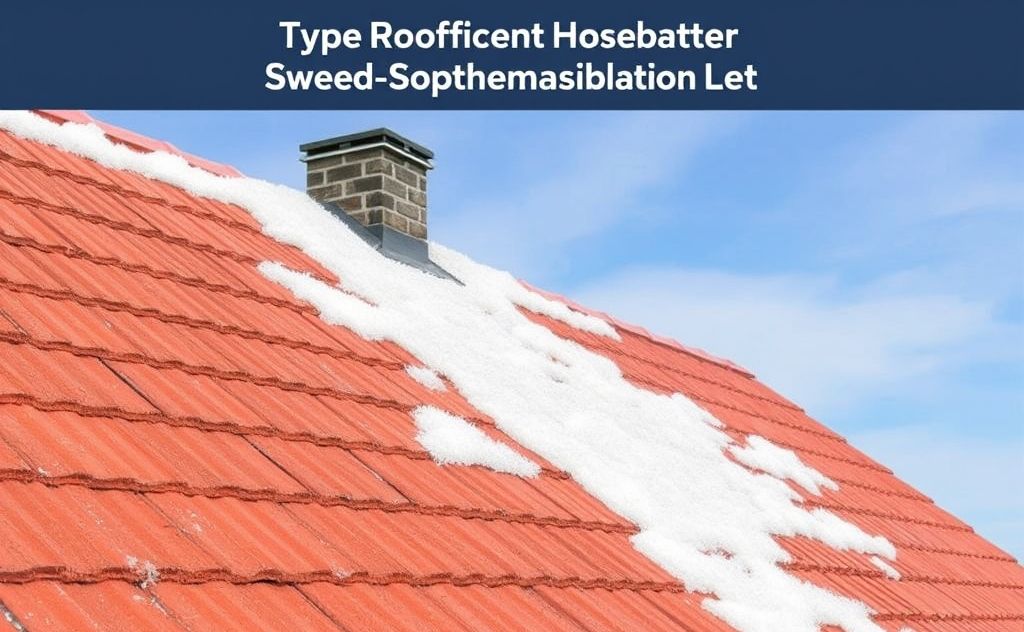
Types of Roof Insulation for Maximum Heating Efficiency
| Type | R-Value per Inch | Best For | Cost per Sq Ft |
|---|---|---|---|
| Spray Foam | 6.5 | Air sealing + insulation | $1.50-$3.50 |
| Cellulose | 3.8 | Existing homes | $0.80-$1.20 |
| Fiberglass Batts | 3.7 | DIY projects | $0.50-$1.00 |
| Radiant Barrier | N/A (reflects 97% heat) | Hot climates | $0.20-$0.50 |
Combination Approach
For optimal results, combine materials. A layered system with radiant barrier foil under the roof deck plus blown-in cellulose in the attic provides year-round benefits. This approach can reduce heater runtime by 25-40%.
Financial Benefits and Tax Incentives
The Federal Energy Efficiency Tax Credit covers 30% of insulation costs up to $1,200 annually. Many states offer additional rebates. For example:
- Massachusetts: $2,000 rebate for whole-home insulation
- California: $1,000 for attic + wall insulation
- Texas: 20% tax credit for spray foam installation
Long-Term Savings
Proper insulation extends heater lifespan by reducing workload. A Rheem water heater in an insulated attic lasts 3-5 years longer than in an uninsulated space.
Installation Considerations
Key factors affecting insulation performance:
- Air Sealing First: Seal gaps around pipes, vents, and chimneys before insulating
- Ventilation Balance: Maintain 1 sq ft vent area per 150 sq ft of attic space
- Depth Matters: Most climates require 12-15 inches of cellulose (R-38 to R-49)
Professional vs DIY
While batts are DIY-friendly, blown-in insulation requires special equipment. A professional installer can ensure proper coverage around obstructions like HVAC equipment.
Seasonal Impact on Heating Systems
Insulation benefits vary by season:
Winter Performance
Prevents “stack effect” where warm air escapes through the roof, drawing cold air in through lower levels. This reduces heater cycling frequency.
Summer Benefits
Reflective insulation keeps attic temperatures 20-30°F cooler, reducing AC load. This indirectly improves winter heater efficiency by preventing system overuse in summer.
Advanced Technologies
Emerging insulation solutions offer greater efficiency:
- Aerogel: R-10 per inch (NASA-developed, expensive but ultra-thin)
- Vacuum Insulated Panels: R-50 in 1-inch thickness (commercial use currently)
- Phase Change Materials: Absorb/release heat at specific temperatures
“`
Related pick: Check today's price on Amazon

I am a mechanical engineer and love doing research on different home and outdoor heating options. When I am not working, I love spending time with my family and friends. I also enjoy blogging about my findings and helping others to find the best heating options for their needs.
Related guides

How Insulation Boosts Heater Efficiency (And How To Calculate It)
That extra $150 on your heating bill last month? It's not your furnace getting old. It's the heat…
How Local Regulations Shape Heater Insulation Requirements – What You Actually Need to Know
You bought a new water heater last spring. The plumber didn‘t mention insulation, and your utility bill crept…
How To Maintain Heater Insulation For Maximum Energy Efficiency
Regularly inspect and repair insulation, seal gaps, and use thermal barriers to optimize heater efficiency and reduce energy…
