

Oil heaters retain heat longer and provide steady warmth, while electric heaters heat up quickly and are often more portable and easier to use.
When winter arrives, choosing between oil and electric portable heaters becomes crucial for staying warm. Both types have distinct advantages and drawbacks that impact performance, efficiency, and safety. This guide breaks down their differences to help you make the best choice.

PELONIS
PELONIS Radiator Heater for Large Space, Electric…
- 𝑭𝒂𝒔𝒕 𝑯𝒆𝒂𝒕𝒊𝒏𝒈, 𝑳𝒂𝒔𝒕𝒊𝒏𝒈 𝑪𝒐𝒎𝒇𝒐𝒓𝒕: The 1500W power heats the whole house rapidly and the hot air circulation delivers long-lasting and…
- 𝑬𝒏𝒆𝒓𝒈𝒚 𝑬𝒇𝒇𝒊𝒄𝒊𝒆𝒏𝒕: Equipped with 3 heating modes 600W/900W/1500W, which can also be used in combination to help save energy bills i…
- 𝑾𝒉𝒊𝒔𝒑𝒆𝒓-𝑸𝒖𝒊𝒆𝒕: Lacking of fan construction, PELONIS oil heater is super quiet, perfect for bedrooms, offices, rooms and other indo…
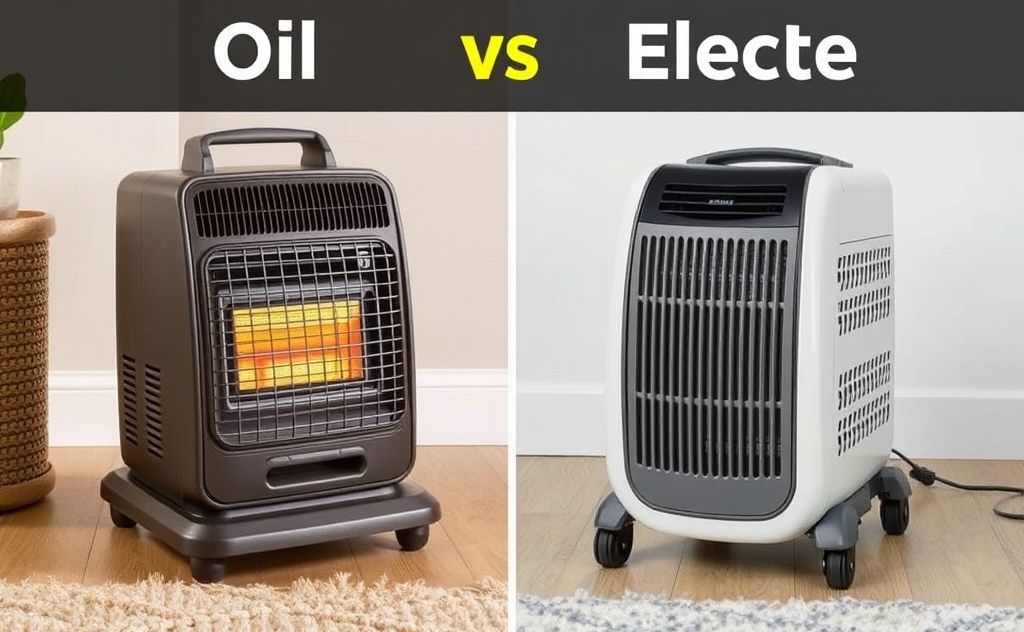
How Oil and Electric Heaters Work
Oil-Filled Heaters
Oil heaters use diathermic oil sealed in metal columns. An electric element heats the oil, which then radiates warmth through the metal fins. The oil never burns off – it simply transfers heat. These units provide consistent, long-lasting warmth even after being turned off.
Electric Heaters
Electric heaters use metal coils or ceramic plates that heat up when electricity passes through. Most models include fans to distribute warm air. They provide instant heat but cool quickly when turned off. Some advanced models like electric heaters that resemble wood stoves combine functionality with aesthetic appeal.
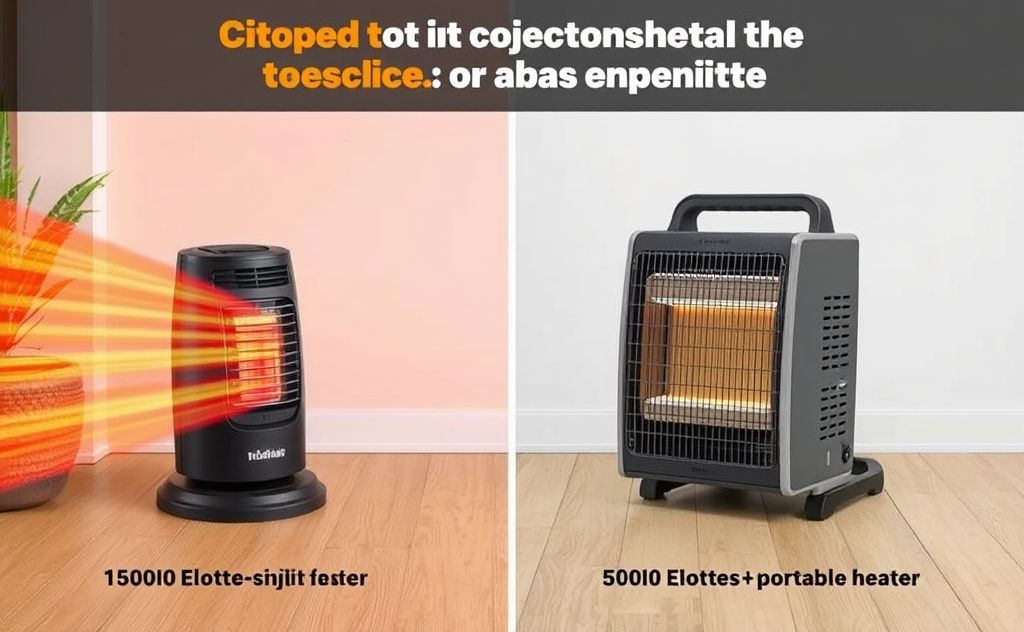
Performance Comparison
| Feature | Oil Heaters | Electric Heaters |
|---|---|---|
| Heat-up Time | Slow (15-30 mins) | Instant (1-5 mins) |
| Heat Retention | Excellent (stays warm after shutoff) | Poor (cools immediately) |
| Noise Level | Silent | Moderate (fan noise) |
| Portability | Heavy (15-25 lbs) | Light (5-10 lbs) |
Energy Efficiency and Costs
Oil Heaters
Oil-filled models are more energy efficient for long-term use. Once heated, they maintain warmth with minimal electricity. According to Energy.gov, radiant heaters like oil-filled units can be 10-15% more efficient for sustained heating.
Electric Heaters
Electric models consume more power to maintain temperature but are efficient for quick heating. Their wattage typically ranges from 750W to 1500W. For maximum efficiency, consider low-wattage electric heaters for small spaces.
Safety Considerations
Oil Heaters
- Surface stays hot long after turning off
- No fire risk from exposed elements
- Best for pet-free homes
Electric Heaters
- Cool quickly when turned off
- Potential fire risk if fabrics contact heating elements
- Many include tip-over protection
Maintenance Requirements
Oil Heaters
Require minimal maintenance – just occasional dusting. The sealed system means no refills or part replacements under normal use.
Electric Heaters
Need regular cleaning to prevent dust buildup on heating elements and fans. According to CPSC, dirty electric heaters can become fire hazards.
Best Use Cases
When to Choose Oil
- Bedrooms (quiet operation)
- Allergy sufferers (no air circulation)
- Medium-large rooms needing sustained heat
When to Choose Electric
- Small spaces needing quick warmth
- Areas where portability matters
- Places needing intermittent heating
Advanced Features
Modern heaters offer smart features that enhance convenience:
- Programmable thermostats
- Wi-Fi/app control (found in some app-controlled space heaters)
- Oscillation for better heat distribution
- Humidifiers in combo units
Environmental Impact
Oil heaters have a slight edge environmentally. Their energy efficiency means lower electricity consumption over time. Electric models draw more power but newer energy-efficient designs help reduce their carbon footprint.
Related pick: Check today's price on Amazon

I am a mechanical engineer and love doing research on different home and outdoor heating options. When I am not working, I love spending time with my family and friends. I also enjoy blogging about my findings and helping others to find the best heating options for their needs.
Related guides
How Long Do Portable Oil Heaters Last? Lifespan & Care Tips
How Long Do Portable Oil Heaters Truly Last?Most portable oil heaters last between 15 and 20 years with…

How to Maximize Your Oil Portable Heater’s Efficiency
To optimize the efficiency of an oil portable heater, regularly clean filters, maintain proper ventilation, and set the…
Key Features to Look for in a Portable Oil Heater
Consider factors like heating capacity, energy efficiency, safety features, portability, size, and thermostat control before buying an oil…