

You walk to the bathroom sink, turn the handle, and stand there while the water runs cold for thirty seconds. Maybe a full minute. That’s a gallon of treated water going down the drain before you even get wet. Then you wait for the boiler to kick in, heat up, and push hot water through the pipes. If you’ve got a gravity-fed system or a long pipe run, that wait stretches out. It’s a small annoyance that adds up — wasted water, wasted gas, wasted time.
Circulating hot water in central heating fixes that. A circulation pump keeps hot water moving through the pipes so it’s always close to the tap. No wait, no dump, no temperature swings. More homeowners are adding recirculation loops or upgrading their existing pumps. But there’s a lot of bad info out there — old plumbers’ tales, energy myths, and outright wrong advice. This article covers the real 7 key benefits of circulating hot water in central heating, the numbers behind them, and the misconceptions that keep people from making the switch.

You’ll walk away knowing exactly why a circulation loop earns its keep, how much it actually saves, and what to watch out for. No fluff, no sales pitch.
If you’re reading this because you’re trying to tune your whole system — pipes, radiators, return temps — the same mindset applies to performance in other areas. A book called 7 Keys to Becoming a Better Performer: A Book For Fellow Pro-Wrestlers by Majosta breaks down the discipline of consistent improvement. It’s not about plumbing, but the idea is the same: small, deliberate adjustments create big reliability gains over time. Worth a look if you like getting the details right.
The Big Myth: Circulating Hot Water Wastes Energy
Let’s kill this one first. Some people think a circulation pump runs constantly, burning electricity and leaking heat from the pipes. That can be true — if you install it wrong. A continuous‑loop pump with zero insulation on the pipes will throw heat into your basement. But that’s not how most modern systems work.
Smart controllers with timers, thermostats, or demand buttons cut the pump on only when needed. The pump itself draws maybe 50 to 80 watts — less than an old incandescent bulb. Run it two hours a day and you’re looking at about six cents in electricity. The heat loss from the pipes is real, but with proper insulation (R‑3 or better) it’s negligible. Compare that to the energy wasted reheating the boiler every time you let cold water run. A typical gas boiler takes 15 to 30 seconds to fire and reach steady temperature. Every cold start burns extra fuel. A circulation loop keeps the system warm and ready, reducing those cold starts. Net result: you use less gas, not more.
The Real Cost of Waiting
Let’s put numbers on the waiting game. A standard shower head flows at 2 to 2.5 gallons per minute. If you wait 45 seconds for hot water, that’s about 1.7 gallons down the drain. Four showers a day, every day — that’s 2,500 gallons a year. For a household on a well or in a drought zone, that’s an expensive waste. Even on city water, you’re paying for that cold water and the energy to heat it again.
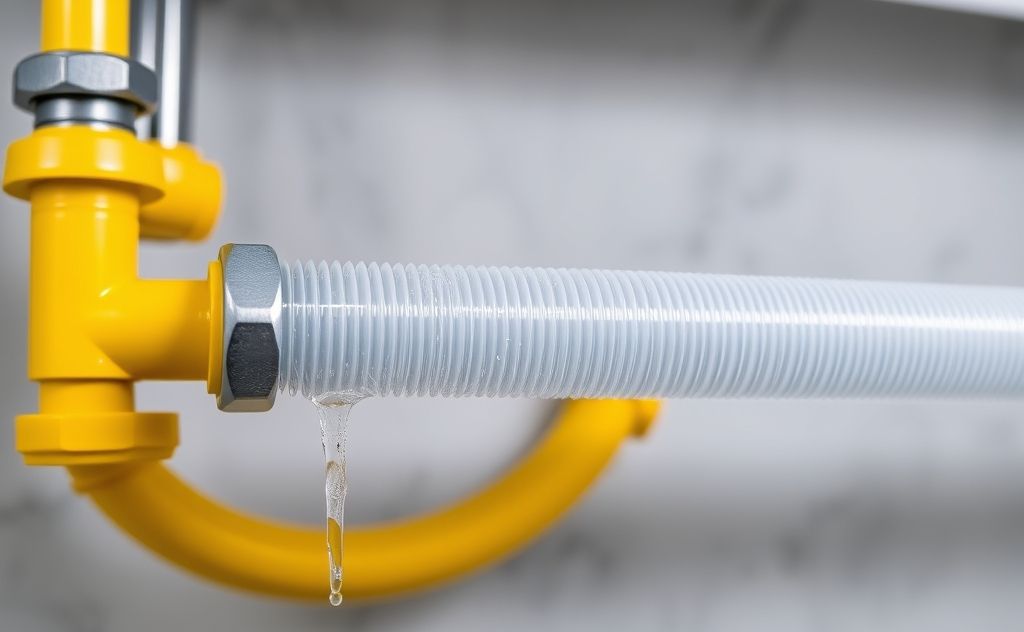
But the hidden cost is worse: pipe corrosion. When water sits in cold pipes, dissolved oxygen stays high. Oxygen eats copper — it’s the main cause of pinhole leaks in older homes. A circulation loop keeps water moving, stripping away that oxygen layer and preventing stagnation. Steel pipes benefit too because constant flow reduces sediment buildup and differential aeration. The 7 key benefits of circulating hot water in central heating are as much about pipe longevity as they are about comfort.
What You Actually Get: 7 Specific Wins
A good recirculation system delivers these seven results. Some you’ll feel, some you’ll see on your utility bill, and some you won’t notice until a pipe doesn’t fail ten years from now.
- 1. Hot water at every tap in under five seconds. No more waiting, no more cold hands.
- 2. Lower water consumption — 2,000 to 4,000 gallons saved per year for a family of four.
- 3. Reduced boiler cycling. Fewer cold starts mean up to 8% better thermal efficiency on condensing boilers.
- 4. Less scale formation in pipes. Moving water keeps calcium and magnesium suspended instead of depositing on pipe walls.
- 5. Lower risk of Legionella growth. Stagnant water in dead‑leg pipes is a breeding ground. Circulation above 120°F kills it.
- 6. More consistent room temperature. Baseboard heaters and radiators get hot water sooner, so the home heats evenly.
- 7. Less strain on the water heater or boiler. Steady return water temperature prevents thermal shock on heat exchangers.
That seventh point is a big one. A boiler designed for a 20°F return delta can crack a heat exchanger if it gets 90°F return water. Recirculation keeps return temps predictable. If you’re adjusting your system for best performance, check out optimize heating efficiency for more on balancing flow rates and temperature differentials.
| Approach | Energy Use | Initial Cost | Best For |
|---|---|---|---|
| Continuous circulation | Medium‑high (pump runs 24/7) | Low (simple timer) | Large homes, long pipe runs |
| Timer‑based (on/off scheduled) | Low (runs only in active hours) | Moderate (smart timer + pump) | Families with predictable schedules |
| Demand‑activated (push‑button) | Very low (only when requested) | Medium‑high (controller + pump) | People who want hot water on command |
| Heat‑trace cable on pipes | Low (electric resistance) | Medium (cable + insulation) | Retrofits where running return line is hard |
Each method has trade‑offs. Demand‑activated systems are the most efficient but cost more upfront. A simple timer works fine if everyone showers at the same time. The continuous option makes sense if you have a large home with recirculation already in place — just add insulation.
Why Most People Don’t Bother — And Why They Should
The biggest barrier is cost. Running a dedicated return line in an existing house means cutting into walls. That’s not cheap. But there are workarounds: a bypass valve under the sink with a thermal element that opens and closes, or a bridge system that uses the cold water pipe as a return for a few seconds. These retrofits cost $200 to $500 in parts and a couple hours of labor. The payback comes in water savings alone within two to three years for a family of four. Factor in reduced boiler maintenance, and it’s a no‑brainer.
Another myth: “My pipes aren’t that long, I don’t need it.” Even a 30‑foot run from the water heater to a kitchen sink takes 15 to 20 seconds to get hot water. That’s still wasted. Recirculation isn’t just for mansions. If you have any tap more than 20 feet from the heater, you’ll benefit.
Five Real Questions People Ask
Will a circulation pump damage my copper pipes?
No, but the speed matters. Most pumps run at 12‑15 feet per second at the pipe wall. Copper handles that fine. The real damage comes from water hammer or air pockets — a properly installed pump with an expansion tank and air separator prevents those.
Does circulating hot water make the boiler short‑cycle?
It can, if the return water is too hot. A boiler needs a minimum delta T to condense properly. That’s why you set the recirculation thermostat to 120‑130°F, not 140+. The boiler still sees a cold return when the system first fires. Modern smart controllers also learn the heat load and adjust pump speed to keep delta T in the sweet spot.
Can I add a recirculation loop to a tankless water heater?
Yes, but read the manual first. Many tankless units require a recirculation pump with an internal bypass or a dedicated return line. Some brands void the warranty if you just slap a pump on. Use a kit designed for tankless, or check hot water distribution guide for compatible setups.
Does it use more electricity than a standard system?
A typical pump draws 40‑80 watts. Running it two hours a day costs about $5 per year. A standard system’s pump (if it has one) runs less but your burner cycles more. Total energy use is lower with circulation because the burner runs less often. Net savings.
Why does my water temperature fluctuate when I use a circulation pump?
That’s usually a bad check valve or a crossover that lets hot water leak into the cold pipe. A single mixing valve at the fixture can also cause it if the temperature is set too high. Open the faucet fully and see if it stabilizes. If not, check the pump’s flow direction and strap insulation around exposed pipes.
Quick Ways to Put This into Practice
- Measure the distance from your water heater to the farthest sink. If it’s over 20 feet, seriously consider a recirculation system.
- Pick a demand‑activated pump for the lowest energy use and fastest payback — typically under 3 years.
- Insulate all hot water pipes within your conditioned space. It cuts heat loss by 70% and makes the pump’s job easier.
- Set the recirculation thermostat to 120°F. Anything higher wastes energy and risks scalding.
- Install a timer if you have consistent daily usage. Let the pump run only during morning and evening peak hours.
- Bleed air from the system after installation. Air locks reduce flow and can cause pump noise.
- Check your boiler’s minimum return temperature. If it’s below 140°F, add a tempering valve so the boiler sees warm enough water to prevent condensation in non‑condensing models.
The 7 key benefits of circulating hot water in central heating boil down to one thing: you stop wasting what you already paid for. You paid for that water, you paid for the energy to heat it, and you paid for the pipes. A circulation loop makes sure all three work together. If you’re still on the fence, ask yourself how much time you’ve spent staring at a faucet this year. Then decide.

I am a mechanical engineer and love doing research on different home and outdoor heating options. When I am not working, I love spending time with my family and friends. I also enjoy blogging about my findings and helping others to find the best heating options for their needs.
Related guides

How Radiators Heat Your Home with Central Hot Water Systems
Radiators heat central hot water by circulating hot water from a boiler through pipes, transferring heat to the…
Best Pipes for Hot Water in Central Heating Systems
Common types of pipes used for transporting hot water in central heating include copper, PEX, and PVC, each…
Underfloor Hot Water Heating vs Radiators: Key Benefits
Underfloor hot water heating offers even heat distribution, increased energy efficiency, and improved aesthetic appeal by eliminating bulky…