

To optimize the heating efficiency of central hot water systems, regularly maintain the system, insulate pipes, and set the thermostat to 120°F (49°C).
Central hot water systems provide comfort for entire buildings, but inefficient operation can lead to skyrocketing energy bills. These expert strategies will help you maximize performance while reducing costs.
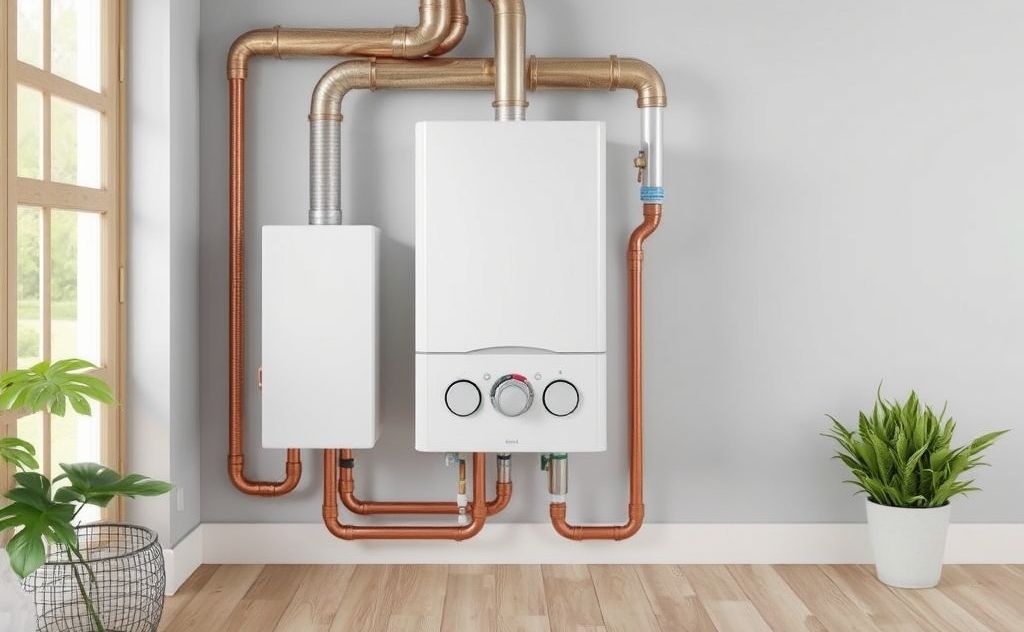
System-Wide Optimization Techniques
Pipe Insulation

Uninsulated pipes lose 25-45% of heat energy. Use fiberglass or foam insulation with at least 1″ thickness on all hot water pipes. Pay special attention to basement and attic runs.
Thermostat Management
Lowering your water heater thermostat from 140°F to 120°F reduces energy use by 6-10%. This temperature still meets most household needs while preventing scalding risks.
Bleed Radiators Regularly
Air trapped in radiators prevents proper heat transfer. Bleed units at the start of each heating season using a radiator key until water flows steadily.
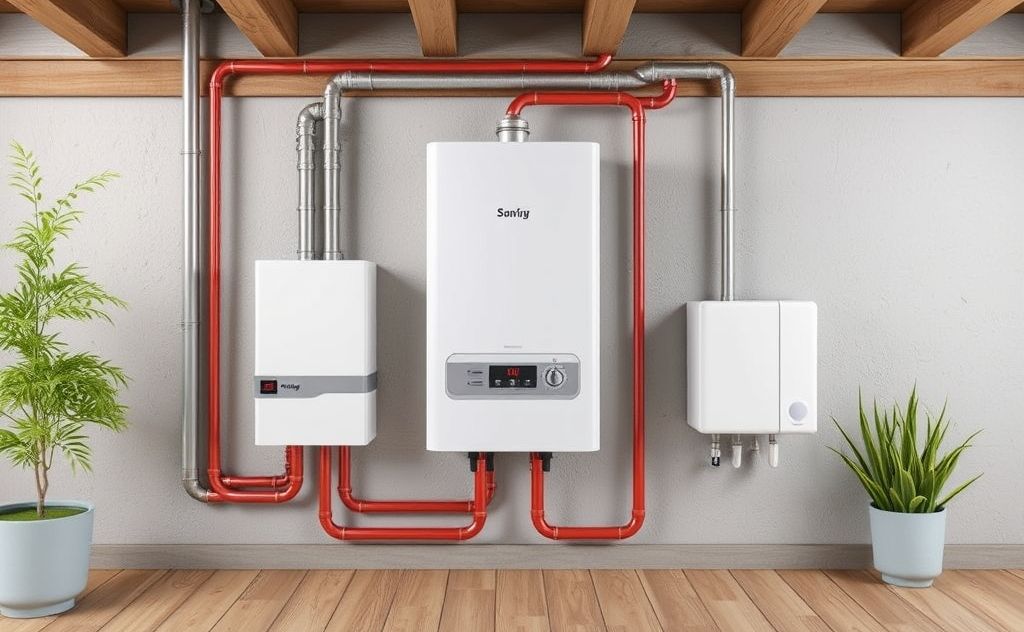
Equipment-Specific Improvements
Upgrade To Smart Controls
Modern systems like smart water heater thermostats optimize performance by learning usage patterns and adjusting accordingly.
Install Heat Traps
Heat traps prevent thermosiphoning – hot water rising and cold water falling when the system is idle. They can reduce standby losses by 15-45%.
Consider Tankless Options
For buildings with intermittent hot water needs, tankless water heaters provide 24-34% greater efficiency by eliminating standby losses.
Maintenance For Peak Performance
Annual Flushing
Sediment buildup reduces efficiency by up to 50%. Flush tanks annually to remove mineral deposits that insulate water from heating elements.
Anode Rod Inspection
Check sacrificial anode rods every 3 years. A depleted rod leads to tank corrosion and reduced efficiency.
Pressure Relief Valve Testing
Test valves annually to ensure proper operation. Faulty valves can cause system pressure issues that reduce efficiency.
Advanced Optimization Strategies
Heat Recovery Systems
Install drain water heat recovery systems to capture up to 60% of energy from wastewater. These can provide 25-40% water heating energy savings.
Solar Pre-Heating
Solar thermal collectors can preheat water to 90-120°F, reducing conventional heating needs by 50-80% in sunny climates.
Demand Circulation Pumps
Smart recirculation pumps move water only when needed, reducing pipe heat losses by up to 75% compared to continuous circulation.
Monitoring And Verification
Install Energy Meters
Submeter hot water systems to track usage patterns and identify inefficiencies. Studies show metering alone reduces consumption by 15-30%.
Conduct Thermal Imaging
Infrared cameras reveal heat losses from pipes, tanks and distribution systems that aren’t visible to the naked eye.
Implement Building Automation
Advanced controls like those used at Stanford’s Central Energy Facility optimize performance based on 1,220+ variables including weather and occupancy.
For large commercial systems, consider the thermal storage approach used by the University of Alabama which saves $900,000 annually through centralized efficiency.
Related pick: Check price on Amazon

HeaterGuides covers home heating, water heating and HVAC: how the equipment works, what it costs to run, and how to use it safely.