

Say your power goes out in a winter storm and you need to keep one room warm overnight. A Vesta heater is built for exactly that kind of situation—compact, portable, and able to run without electricity.
But there are several different Vesta heaters, from self-powered space heaters to tankless water heaters. Here’s how they work, what they cost to run, and which spaces they actually suit.
Understanding the Vesta Heater and Its Unique Features
A Vesta heater is a compact gas appliance made for portable, off-grid, backup, or emergency heat. The name can also refer to a Vesta tankless water heater or a small Vesta stove, so check whether the model heats a room, water, or cookware before you buy parts or fuel.

Most Vesta heaters run on propane or natural gas rather than a wall outlet. That makes them useful where electricity is unreliable, but the fuel connection, ventilation, and indoor rating matter more than the brand name.
| Vesta type | What it heats | How it differs from a standard heater |
|---|---|---|
| Self-powered space heater | Room air and nearby surfaces | Uses gas and a pilot or thermoelectric control system instead of depending on household electricity |
| Tankless water heater | Water as it flows | Heats water on demand instead of storing hot water in a tank |
| Small stove | Cookware or a small cooking area | Uses a compact gas burner and can operate away from the home heating system |
| Standard electric space heater | Room air and surfaces | Needs a wall outlet and sends electricity through a heating element |
A thermocouple sits in the pilot flame and produces a small electrical signal as it heats. That signal holds the gas safety valve open; if the pilot goes out and the thermocouple cools, the valve shuts the fuel off. Some models also use a thermoelectric generator, often called a thermopile, to power a control circuit or low-power fan without an external electrical supply.
If you need a water heater rather than room heat, start with a Vesta tankless water heater buyer’s guide; flow rate and the incoming water temperature will determine whether the unit can keep up with your tap.
How a Vesta Heater Works: The Mechanism Behind the Heat
A Vesta space heater burns propane or natural gas at a controlled burner, then spreads that heat by radiation, convection, or both. A Vesta off-grid space heater can work without household power when its pilot, safety valve, and controls use mechanical or thermoelectric parts.
For a Vesta self-powered heater and stove in NZ, the basic principle is the same: fuel supplies the heat, while a thermoelectric device can supply limited power for controls. Portable operation still means carrying the approved fuel supply, securing the appliance on a stable surface, and allowing the clearance specified by the manual.
Running Costs and Fuel Use: What to Expect in Winter
A Vesta heater’s winter cost depends mainly on its fuel rate, not the brand name: propane and natural gas are usually cheaper to run than plug-in heat where fuel prices are favorable. For a Vesta off-grid space heater, the tradeoff is useful heat during an outage without drawing power, but you still pay for every BTU burned.
A 9,000 BTU model using propane at its rated input burns about 0.098 gallons per hour, because 9,000 ÷ 91,500 BTU per gallon equals 0.098. At $3 per gallon, that works out to about $0.29 per hour or $2.32 for an eight-hour night.
Natural gas can cost less per delivered BTU, but the result depends on your utility rate and whether the heater is already connected. Using an example rate of $1.50 per therm, a 9,000 BTU heater uses 0.09 therm per hour: 9,000 ÷ 100,000, multiplied by $1.50, equals about $0.14 per hour or $1.08 for eight hours.
| Heat source | Example running cost | What changes the result |
|---|---|---|
| Vesta heater, propane | About $0.29 per hour at $3/gal | Burn rate, cycling, and local propane price |
| Vesta heater, natural gas | About $0.14 per hour at $1.50/therm | Utility rate and heater input |
| 1,500 W electric heater | About $2.04 for 8 hours at $0.17/kWh | Wattage, thermostat cycling, and electric rate |
| Tankless water heater | Not a room-heating comparison | Water flow, inlet temperature, and BTU input |
| Heater | Watts | Per hour | Per day (8 h) | Per month (30 days) |
|---|---|---|---|---|
| 1,500 W electric space heater | 1,500 W | 26¢ | $2.04 | $61.20 |
| 100 W heated blanket | 100 W | 1.7¢ | 14¢ | $4.08 |
Comfort, Room Size, and Where a Vesta Heater Fits Best
A Vesta heater usually fits a small or medium room up to about 200 square feet, while a Vesta heater and stove-style unit should still be treated as one-room heat unless its listed output and installation instructions say otherwise. Cabins, RVs, approved tent applications, and outage backup are sensible uses; large open rooms and whole-house heating usually aren’t.
| Space or use | Best match | What you’ll notice |
|---|---|---|
| Up to about 200 sq. ft. | Small Vesta gas heater | Fast spot heat, with fuel and airflow concerns |
| One cabin or RV room | Indoor-rated model approved for that space | Useful backup heat; drafts shorten run time |
| Approved tent use | Only a model whose manual allows tent use | Radiant warmth near the heater; placement matters |
| Large open room or whole house | A properly sized central or distributed system | One small heater leaves cold areas |
| Bedroom or living room ambiance | Electric fireplace space heater | Quieter operation and flame effect, but it needs electricity |
Radiant Vesta heaters warm people and nearby surfaces first, so sitting within the heater’s useful zone can feel comfortable before the whole room warms. Convection models heat moving air more evenly, but they need time and clear airflow; place either type where the manual allows, with its warm-air path unobstructed.
Noise and smell depend on the burner, ventilation, fuel quality, and installation. Gas combustion can produce a faint odor at startup or shutdown, while an electric unit avoids combustion odor and is often quieter. Electric fireplace space heaters suit rooms where ambience and simple plug-in operation matter more than off-grid backup; convection heaters make more sense when you want quieter, even air heat from an electrical supply.
Vesta Heater Safety: What You Need to Know Before Using One
Use a Vesta heater indoors only when its manual and rating say it is approved for indoor use; an outdoor, patio, torpedo, or construction heater can produce dangerous exhaust in a house, tent, RV, or vehicle cabin.
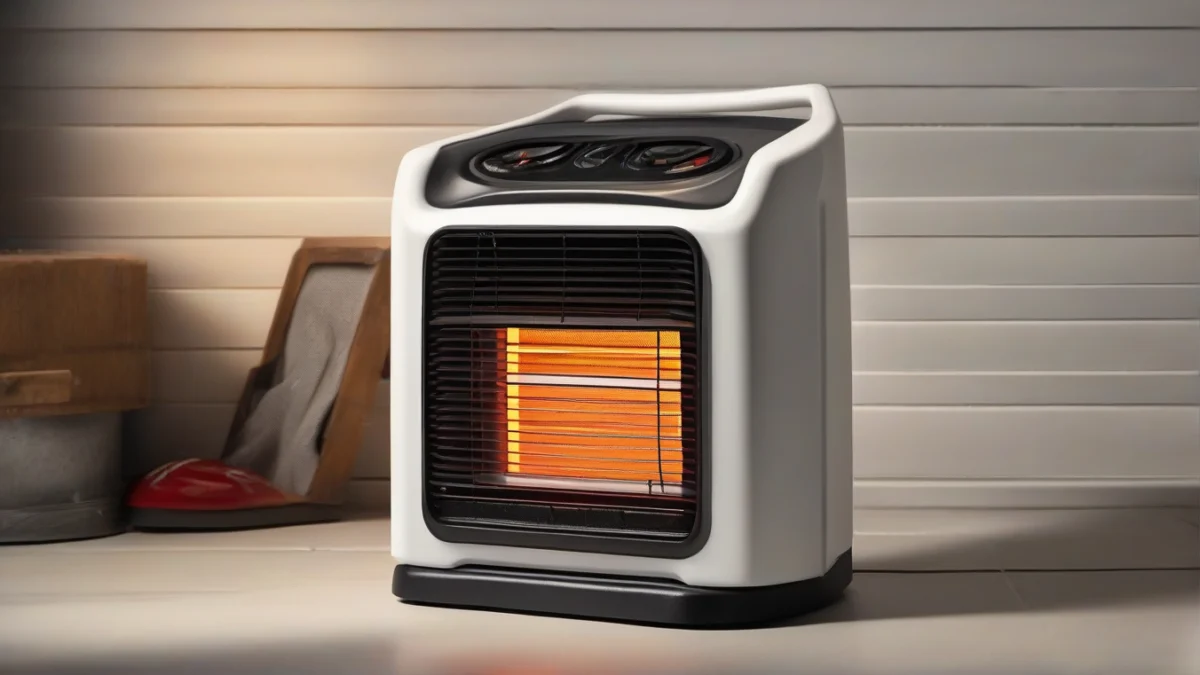
Searches for a “vesta self powered heater and stove in nz” or a “vesta off grid space heater” still lead to the same first check: confirm the exact model’s indoor rating, fuel type, required ventilation, and local approval before connecting fuel. Self-powered means the heater may operate without mains electricity; it doesn’t mean the combustion gases disappear.
An oxygen-depletion sensor shuts the gas valve if oxygen falls to an unsafe level, while tip-over protection can cut the burner when a portable heater is knocked over. Neither feature replaces ventilation, clearance, a CO alarm, or an indoor-use rating.
What to Do Next: Choosing and Setting Up a Vesta Heater
Start by deciding what you need to heat: a space heater warms air in a room, while a tankless water heater heats water as it flows, and an off-grid model matters only when you can’t depend on mains electricity.
For tankless water-heater shopping, use the best vesta tankless water heater buyer’s guide to compare the water-heating details rather than room-heater features. If backup heat without grid power is the goal, the vesta self-powered heater guide is the more relevant next stop.
As for “does Walmart sell Vesta heaters,” current stock can change by store, seller, and model, so check the live listing and then verify the manual, indoor rating, fuel requirements, and safety features before buying. A familiar retailer can’t turn an outdoor heater into an indoor one.
More Questions, Answered
Can a Vesta heater run without electricity?
How long does a 20 lb propane tank last with a Vesta heater?
Is a Vesta heater safe to use indoors?
What is the difference between a Vesta space heater and a Vesta tankless water heater?

I am a mechanical engineer and love doing research on different home and outdoor heating options. When I am not working, I love spending time with my family and friends. I also enjoy blogging about my findings and helping others to find the best heating options for their needs.
Related guides

Do Battery Space Heaters Work? Top 5 Cordless Options Reviewed
Imagine portable warmth anywhere. Our guide reveals the best cordless battery space heaters for true freedom this winter.
App-Controlled Smart Space Heaters: Control Heat From Anywhere
Imagine controlling warmth from your phone. Your essential guide to choosing the perfect smart space heater with app…
Compact Ceramic Heater for Warm Air Circulation in Your Home Office
Stay cozy this winter with the Gaiatop compact ceramic heater. Enjoy warm air circulation in your home office…