Ventless Wall Heaters Use About 12 Cents an Hour to Heat 300 Sq Ft
On this page 7 sections
- How Ventless Wall Heaters Work
- What Running Costs and Efficiency Look Like
- Safety Considerations for Ventless Wall Heaters Indoors
- Which Rooms and Sizes Suit Ventless Wall Heaters Best
- Maintenance and Installation Basics for Ventless Wall Heaters
- What To Do Next for Choosing and Using a Ventless Wall Heater
- More Questions, Answered
Say your living room is 300 square feet and uninsulated. You want a quick, efficient heat source without installing ductwork or a chimney. A ventless wall heater can deliver 10,000 to 30,000 BTU directly into the room, warming it fast without venting outside.
This article explains how ventless wall heaters work, their running costs, safety considerations, and which type fits your space best.
How Ventless Wall Heaters Work
A ventless wall heater burns natural gas or propane to heat a room without venting combustion gases outdoors. It uses either blue flame or infrared technology to deliver direct, efficient heat, typically controlled by a built-in thermostat or manual settings.
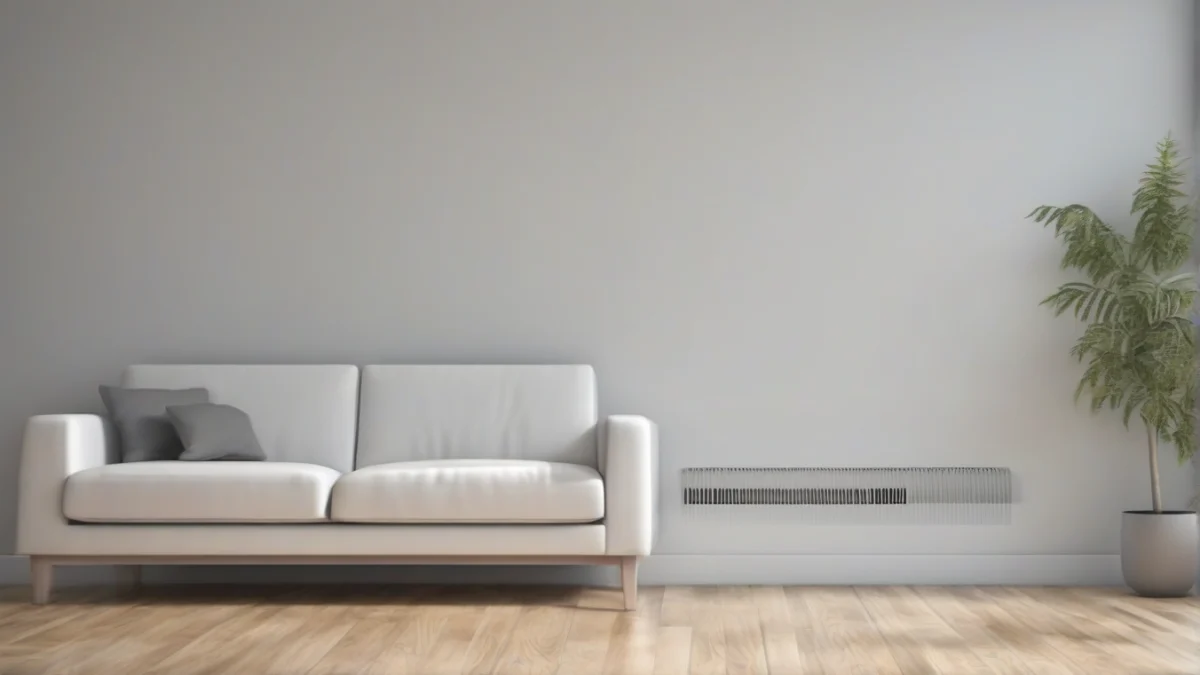
These heaters typically deliver between 10,000 and 30,000 BTU, suitable for heating small to medium rooms efficiently. Ventless natural gas wall heaters burn fuel inside the unit without venting exhaust outside. Because combustion gases are released directly into the room, you must ensure adequate ventilation and have a working carbon monoxide alarm to maintain safe indoor air quality.
Blue flame models burn gas visibly with a blue flame, warming the air directly and evenly. Infrared models heat objects and people in the room by radiating infrared energy, which some find more comfortable. Thermostat controls cycle the burner on and off to maintain a set temperature, while manual controls let you set the heat level continuously.
Many ventless gas wall heaters include a blower fan to push warm air farther into the room, improving distribution beyond the immediate wall area. Without a blower, heat rises naturally and warms the nearby space.
| Feature | Details |
|---|---|
| Fuel type | Natural gas or propane |
| Heat output | 10,000 to 30,000 BTU |
| Heating technology | Blue flame or infrared |
| Controls | Thermostat or manual |
| Heat distribution | Convection or blower fan |

What Running Costs and Efficiency Look Like
Ventless gas wall heaters are generally efficient, converting nearly all their fuel energy into heat for the room. They typically run at about 99% combustion efficiency compared to around 100% electrical efficiency for electric heaters.
Natural gas contains roughly 1,000 BTU per cubic foot, and propane about 2,500 BTU per cubic foot. A 20,000 BTU ventless heater running on natural gas uses about 2 cubic feet per minute of gas at full output. At a typical gas price of $1.20 per 1,000 cubic feet, that costs roughly 2.4 cents per minute or 1.44 dollars per hour.
Propane costs about $2.50 per gallon, and one gallon has about 91,500 BTU. Running that same 20,000 BTU heater on propane would cost around 55 cents per hour. Electric heaters delivering 20,000 BTU (about 5,860 watts) at 17 cents per kWh cost over $1 per hour, often more than ventless gas.
| Fuel | BTU per Unit | Cost per Unit | Cost per Hour (20,000 BTU) |
|---|---|---|---|
| Natural Gas | 1,000 per cubic foot | ||
| Propane | 91,500 per gallon | $2.50 per gallon | |
| Electric | 3,412 BTU per kWh | $0.17 per kWh |
Blower fans in ventless heaters use electricity, usually around 50 to 100 watts. Running a fan for an hour at 100 watts adds about 1.7 cents to your electric bill (100 W ÷ 1,000 × 1 hour × $0.17). This is minor compared to fuel savings but worth noting.
Ventless gas heaters often use less energy than electric models for the same heat because gas has higher energy content per dollar and burns directly in the room. Electric heaters convert electricity to heat at nearly 100%, but electricity prices are usually higher than gas prices per unit energy.

Safety Considerations for Ventless Wall Heaters Indoors
Ventless wall heaters are safe indoors when installed and used according to manufacturer instructions, including proper ventilation and safety features. They rely on oxygen depletion sensors that automatically shut off the heater if oxygen levels drop too low, preventing dangerous air quality conditions.
These heaters produce carbon monoxide (CO), but built-in sensors and automatic shutoff minimize risks by stopping operation before CO levels become hazardous. However, adequate room ventilation is essential to maintain safe oxygen levels and dilute combustion gases.
Room size and airflow are key. Manufacturers typically recommend using ventless heaters only in rooms of 150 square feet or more, and spaces should have some air exchange, like a slightly cracked window or door gap.
Carbon monoxide alarms are mandatory companions to ventless heaters. They provide an independent warning if CO levels rise unexpectedly, adding a critical layer of safety beyond the heater’s built-in protections.
Nonvented gas heaters, including ventless natural gas models, have improved sensor technology that makes them safer than older designs. Still, they require regular maintenance and monitoring to ensure sensors function properly.
Ventless natural gas wall heaters with oxygen depletion sensors can be used safely indoors, but they are not suitable for rooms where people use medical oxygen or for small, airtight spaces without ventilation.
Which Rooms and Sizes Suit Ventless Wall Heaters Best
Choose a ventless wall heater sized to the room’s square footage, typically about 30 to 50 BTU per square foot. For example, a 200-square-foot living room needs a 6,000 to 10,000 BTU heater.
Ventless heaters are well suited for living rooms, garages, and large bedrooms with good ventilation. Avoid installing them in small bathrooms or closets where airflow is limited.
Ventless heaters can serve as a primary heat source in well-ventilated, appropriately sized spaces, but they are usually best for supplemental heat. For primary heating, confirm local codes and manufacturer guidance.
Rooms with occupants using medical oxygen or those with seniors and infants require extra caution. Ventless heaters may not be safe since oxygen-enriched air can interfere with sensors and pose fire risks.
If your space doesn’t meet these criteria, consider alternatives like electric heaters or vented gas models instead. Proper sizing and placement ensure you get effective, safe warmth without risking indoor air quality issues.
For more detailed guidance on choosing the right heater model and size, see the gas wall heater buying guide.
Maintenance and Installation Basics for Ventless Wall Heaters
Mounting a ventless wall heater requires following manufacturer instructions and using the included hardware to secure the unit firmly to a wall capable of supporting its weight. Typically, this means anchoring to studs or masonry with proper fasteners. Clearances from combustible materials must be maintained—usually at least 12 inches above and 6 inches on all sides—to prevent fire hazards.
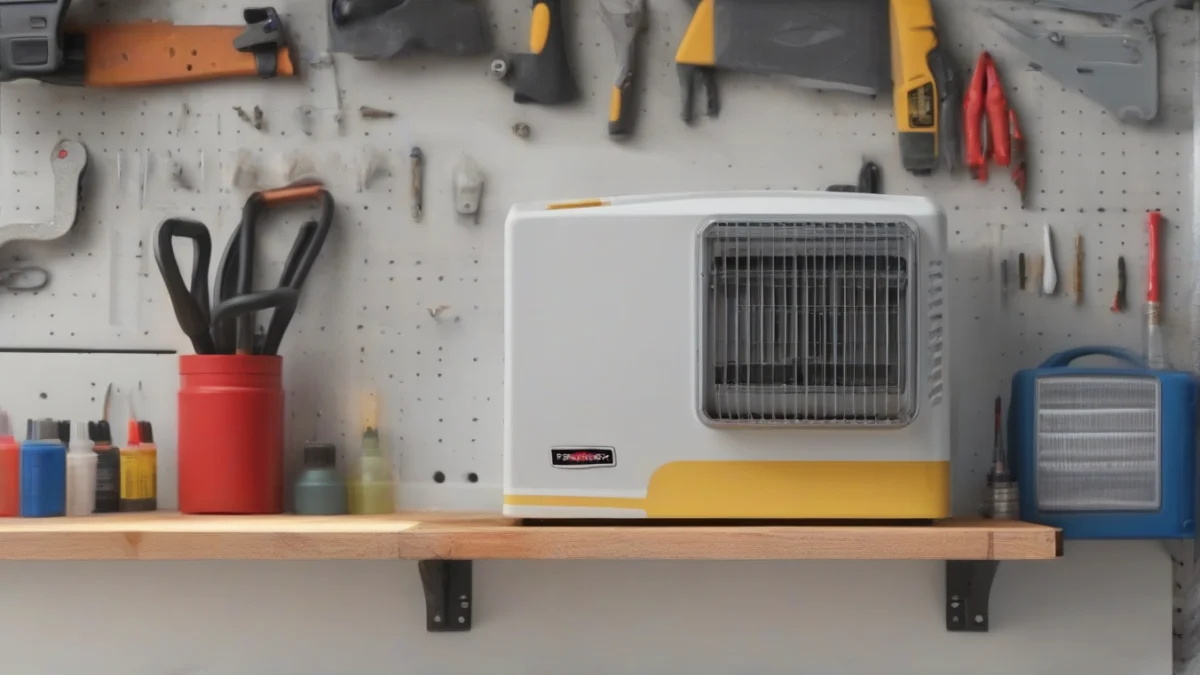
Installation must be done by a licensed technician. They ensure correct gas line connections, test for leaks, and verify that the heater’s oxygen depletion sensor (ODS) and safety shutoffs work properly. The technician also confirms your fuel supply matches the heater’s rating, whether natural gas or propane.
Maintenance for ventless heaters is straightforward but essential. Clean or replace filters if your model has them, and wipe dust from sensors and vents to avoid false shutoffs or reduced efficiency. Scheduled service every one to two years helps spot wear or buildup before it causes problems.
Models with blower fans improve heat distribution but add moving parts that can wear or collect dust, making occasional blower cleaning and lubrication necessary. Expect slightly more noise from blowers compared to convection-only units, which are quieter but heat less evenly.
Dual fuel ventless heaters can switch between natural gas and propane, but the switch requires changing orifices and adjusting pressure regulators. This swap is a job for a pro and must follow the manufacturer’s detailed instructions to keep the heater safe and efficient.