I Went Back a Portable Gas Heater Indoor: What You Need to Know
On this page 7 sections
- Using a Portable Gas Heater Indoors Safely
- Check the Thermocouple and Oxygen Depletion Sensor Before Buying Parts
- Measure the Room and Plan Ventilation for Safe Use
- Compare Portable Gas Heater Types and Their Indoor Suitability
- Maintain Indoor Air Quality and Monitor Carbon Monoxide Levels
- Safety Checklist Before Using Your Portable Gas Heater Indoors
- More Questions, Answered
Say your living room measures 12 by 14 feet and you want to warm it with a portable gas heater during a chilly evening. To use it safely indoors, you need adequate ventilation and a working carbon monoxide detector in the room. This article explains how to operate portable gas heaters indoors with safety in mind, covering ventilation needs, monitoring air quality, and cost considerations.
Using a Portable Gas Heater Indoors Safely
Yes, portable gas heaters can be used indoors safely if you follow strict precautions like proper ventilation, using carbon monoxide detectors, and ensuring the heater has modern safety features. Without these safeguards, the risk of carbon monoxide buildup and poor indoor air quality rises sharply.
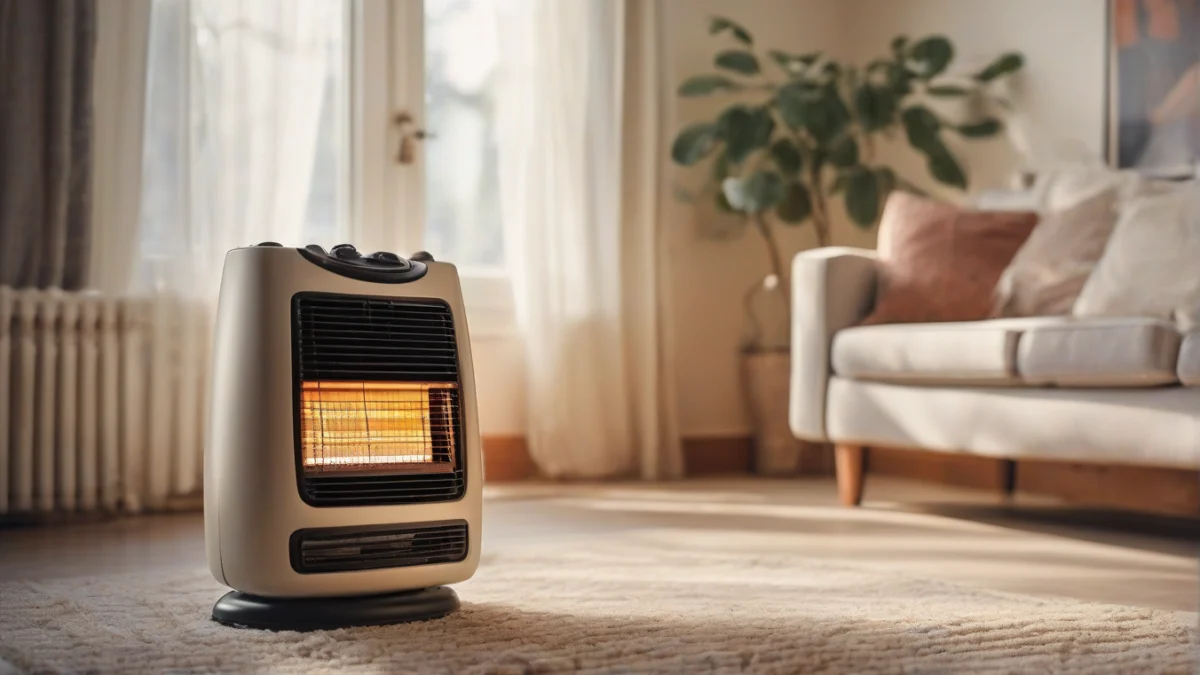
Portable gas heaters burn propane or natural gas, producing heat along with combustion byproducts such as carbon monoxide (CO) and water vapor. CO is odorless and toxic, and water vapor increases humidity, which can cause condensation and mold if not managed.
Proper ventilation is essential to keep indoor air safe. This means providing fresh air intake and a way to exhaust combustion gases or at least dilute them to safe levels. Running a gas heater in a sealed room without ventilation leads to dangerous CO accumulation and lower oxygen levels.
Modern portable gas heaters designed for indoor use include oxygen depletion sensors (ODS). These sensors shut off the heater automatically if oxygen drops below safe levels, preventing hazardous situations. Older heaters often lack ODS and other safety features, so they pose higher risks indoors.
A carbon monoxide detector is a must in any room where you use a portable gas heater. It alerts you to unsafe CO levels before symptoms like headache or dizziness occur. Test detectors monthly and replace batteries as needed.
| Byproduct | Effect | Safety Concern |
|---|---|---|
| Carbon monoxide (CO) | Odorless, toxic gas | Can cause poisoning if it builds up |
| Water vapor | Increases indoor humidity | Can cause condensation and mold |
| Nitrogen dioxide (NO2) | Irritant gas | Can aggravate respiratory issues |
Check the Thermocouple and Oxygen Depletion Sensor Before Buying Parts
Indoor portable gas heaters rely on key safety components like the thermocouple and oxygen depletion sensor (ODS) to operate safely. Regular inspection and servicing keep these parts working properly.
The thermocouple is a small metal sensor near the pilot light. It detects heat from the flame and signals the gas valve to stay open. If the pilot light goes out, the thermocouple cools and closes the valve, stopping gas flow to prevent leaks.
The oxygen depletion sensor monitors oxygen levels in the room. If oxygen drops below a safe threshold, the ODS automatically shuts off the heater to avoid carbon monoxide buildup. Without this sensor, a heater could keep running dangerously in low-oxygen conditions.
Tip-over switches add another safety layer by cutting power or gas if the heater tips over. This protects against fire hazards if the heater falls on flammable material or blocks ventilation.
Servicing your indoor portable gas heater at least once a year includes cleaning burner components, checking the thermocouple and ODS functionality, and inspecting for gas leaks or damaged parts. This routine prevents failures that could lead to unsafe operation.

Measure the Room and Plan Ventilation for Safe Use
Ventilation is the key to safely running a portable gas heater indoors. It dilutes combustion gases like carbon monoxide and water vapor, preventing dangerous buildup.
A good rule of thumb is to provide at least 1 cubic foot of fresh air per minute for every 1,000 BTU the heater produces. For example, a 20,000 BTU heater needs 20,000 cubic feet per minute of fresh air. That means opening windows or providing vents that can supply that volume of air continuously while the heater is on.
Direct vent heaters handle this differently. They use two sealed pipes—one draws in outside air for combustion, the other exhausts combustion gases back outside. This setup keeps indoor air clean and avoids ventilation worries. If you have a direct vent model, you don’t need to open windows or provide extra vents, but the intake and exhaust pipes must be properly installed and sealed.
Non-vented (also called vent-free) heaters don’t have exhaust pipes. They discharge combustion products directly into the room, so ventilation by an open window or vent is mandatory. These heaters are usually limited in BTU output for indoor safety—often around 10,000 to 15,000 BTU for typical rooms.
| Room Size (sq ft) | Max Heater Output (BTU) | Ventilation Required |
|---|---|---|
| 100 | 10,000 | Open window or vent supplying 100 cubic feet per minute |
| 200 | 15,000 | Open window or vent supplying 200 cubic feet per minute |
| 300 | 20,000 | Open window or vent supplying 300 cubic feet per minute |
Room size limits the heater capacity you can safely run. Smaller rooms need smaller heaters or excellent ventilation. A heater too powerful for the room can cause oxygen depletion and carbon monoxide buildup quickly.
Watch for symptoms like headaches, dizziness, nausea, or unusual condensation inside your home. They are signs the air isn’t circulating well and combustion gases are building up. Stop heater use immediately and increase ventilation.
Planning ventilation and sizing your heater to your room makes the difference between safe warmth and a hazardous environment.
Compare Portable Gas Heater Types and Their Indoor Suitability

Portable gas heaters come in radiant and convection types, each suited to different indoor needs. Radiant heaters send heat directly to objects and people, warming a smaller area quickly. Convection heaters warm the air, distributing heat more evenly but slower in larger rooms.
Look at BTU output to match heater size to your space. A typical residential indoor portable propane heater outputs between 3,800 and 9,000 BTU per hour, covering roughly 95 to 225 square feet. Choose a heater rated for your room size to avoid insufficient heating or excessive combustion byproducts.
Safety features matter most indoors. Oxygen depletion sensors (ODS) shut the heater off if oxygen levels drop dangerously low. Tip-over switches prevent fires by cutting power if the unit falls. Ignition type also affects safety and convenience: push-button ignitions are common, while some older models require manual lighting.
Fuel type affects how safely you can use a heater indoors and what ventilation it needs. Propane heaters are popular and portable but produce carbon monoxide, so they must only be used indoors with adequate ventilation and a carbon monoxide alarm. Natural gas heaters connect to home lines and require proper venting to avoid indoor air hazards. Butane heaters exist but are rarely used indoors. Never operate outdoor-only models inside; they lack safety sensors and proper venting systems.
A common problem in France with portable liquid fuel indoor heaters not igniting indoors relates to fuel volatility and ventilation. Improper ventilation or outdated safety features can prevent ignition or cause shutdowns. Modern propane heaters with built-in safety systems overcome many of these issues, making them safer for indoor use when operated as directed.
| Heater Type | Heat Delivery | BTU Output Range | Coverage Area | Fuel Type | Safety Features |
|---|---|---|---|---|---|
| Radiant | Direct heat to objects | 3,800–9,000 BTU/hr | Up to 225 sq ft | Propane, Butane | ODS, tip-over switch, electronic ignition |
| Convection | Heats air evenly | 5,000–12,000 BTU/hr | Up to 400 sq ft | Natural gas, Propane | ODS, tip-over switch, automatic ignition |
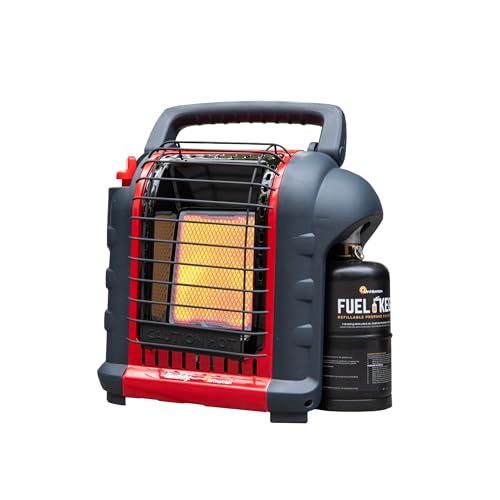
Residential indoor portable propane heaters like the Mr. Heater 9,000 BTU Portable Buddy provide radiant heat with safety certifications for indoor use. They include emergency low oxygen shutoff and run on small propane cylinders, making them convenient and safe when used with ventilation and CO detection.
Maintain Indoor Air Quality and Monitor Carbon Monoxide Levels
Indoor portable gas heaters do give off carbon monoxide (CO) and water vapor as combustion byproducts, which can affect air quality if not managed properly.

Signs that your gas heater is impacting indoor air quality include headaches, nausea, dizziness, or unusual tiredness. These symptoms mean harmful gases like CO are accumulating because ventilation is insufficient.
Carbon monoxide detectors are essential wherever a gas heater is used indoors. You should test these detectors monthly and replace their batteries at least once a year. Replace the detector entirely every 5 to 7 years per manufacturer guidelines.
Opening windows or vents periodically during heater operation helps keep fresh air circulating and dilutes combustion gases. Even a direct vent heater benefits from some airflow to maintain safe oxygen levels.
Indoor air quality monitors that track CO, CO2, and humidity can provide real-time feedback. They alert you before gases reach dangerous levels, helping prevent symptoms and unsafe conditions.
Safety Checklist Before Using Your Portable Gas Heater Indoors
Installing a portable foldable indoor gas heater starts with placing it on a stable, level surface away from curtains, furniture, and other combustibles. Stability prevents tipping and ensures the tip-over switch works.
Butane is not safer than propane or natural gas for indoor portable heaters. It has a lower ignition temperature and can produce more CO if combustion is incomplete. Stick to the fuel type the heater is designed for.
Ensure the oxygen depletion sensor (ODS) is functional before each use. This sensor shuts off the heater if oxygen in the room falls to unsafe levels.
Verify that ventilation openings are clear or that a direct vent is properly installed. A direct vent uses two pipes to bring in fresh air and exhaust combustion gases outside, ideal for indoor air quality.
Test carbon monoxide detectors in the room to confirm they sound alarms and have fresh batteries.
Read and follow all manufacturer instructions carefully. They include critical safety steps specific to your heater model.