

Temperature sensors for climate research are essential tools that measure atmospheric temperatures, enabling accurate data collection for climate change studies.
As climate change accelerates, accurate temperature monitoring has never been more critical. Advanced sensors now provide scientists with unprecedented data about our changing oceans and atmosphere. These tools form the backbone of modern climate research, helping us understand Earth’s complex systems.
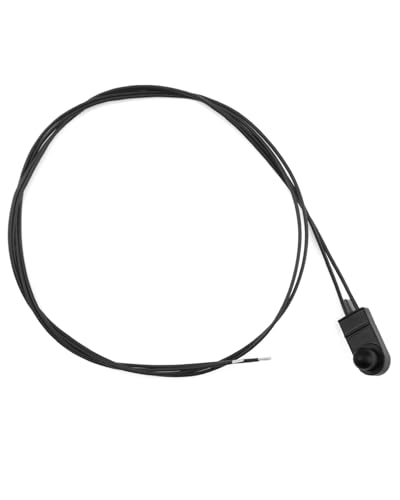
Quaneguzy
Outside Ambient Air Temperature Sensor Fit for…
- Compatible Models: Fit for Fiat 500 500L 500X, Fit for Jeep Renegade
- Material and Design: Made of high-quality materials, heat-resistant and cold-resistant, it can work stably under extreme temperatu…
- Accurate Measurement: The sensor can quickly and accurately detect the external ambient temperature, ensuring that the climate con…
Why Ocean Temperature Monitoring Matters
The ocean absorbs over 90% of Earth’s excess heat from global warming. Between 1993-2022, upper ocean layers gained heat at rates of 0.64-0.83 Watts per square meter. This warming drives sea level rise through thermal expansion and accelerates ice melt.
Traditional measurement methods like ship-deployed sensors provided limited coverage. Today’s researchers use advanced tools including:
- Satellite altimeters measuring sea surface height (indirect temperature indicator)
- Argo floats (over 3,000 units globally)
- CTD (Conductivity-Temperature-Depth) instruments
- XBTs (Expendable Bathythermographs)
Satellite vs. In-Situ Measurements
Satellites provide global coverage but measure only surface “skin” temperatures (SSTskin). In-situ tools like submersible sensors capture deeper water temperatures (SSTdepth). The difference between these measurements reveals thermal stratification patterns.
| Measurement Type | Depth Range | Advantages |
|---|---|---|
| Satellite (Infrared) | 10-20μm surface layer | Global coverage, high frequency |
| Argo Floats | 0-2000m | Depth profiles, salinity data |
| CTD Sensors | Full ocean depth | High accuracy, multiple parameters |
Cutting-Edge Sensor Technologies
Modern climate research uses increasingly sophisticated tools:
1. Argo Float Network
These autonomous devices dive to 2000m, surfacing every 10 days to transmit data. They’ve revolutionized our understanding of ocean heat content. The Argo program maintains real-time data from floats worldwide.
2. Solid-State Radiometers
Advanced radiometers measure sea surface skin temperature with precision. They account for atmospheric interference, providing cleaner data than earlier instruments.
3. Animal-Borne Sensors
Scientists now equip seals and other marine animals with temperature probes. As aquatic temperature monitoring devices, they reach remote polar regions inaccessible to ships.
Data Integration Challenges
Combining measurements from different systems requires careful calibration:
- Satellite data must be validated against in-situ measurements
- Different depth measurements need temporal alignment
- Sensor drift over time must be accounted for
The Global Ocean Data Assimilation Experiment (GODAE) develops protocols for integrating these diverse data streams into coherent climate models.
Future Directions in Temperature Sensing
Emerging technologies promise even better climate monitoring:
- Deep Argo floats reaching 6000m depths
- Biodegradable sensors for temporary deployments
- Nano-satellite constellations improving coverage
- AI-assisted data quality control
As noted in the Journal of Climate, future research will focus on better understanding skin-depth temperature differences and their climate implications.
Related pick: Check today's price on Amazon

I am a mechanical engineer and love doing research on different home and outdoor heating options. When I am not working, I love spending time with my family and friends. I also enjoy blogging about my findings and helping others to find the best heating options for their needs.
Related guides
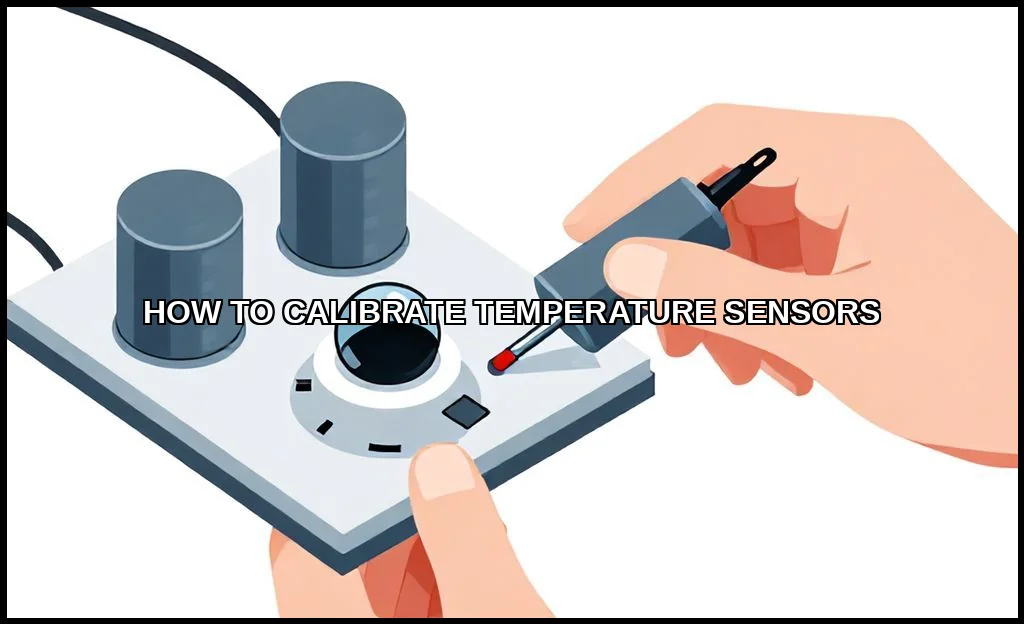
How to Calibrate Temperature Sensors: A Step-by-Step Guide
Temperature sensor calibration is not just a box to tick. It's the foundation of reliable data in any…

How Temperature Sensors Revolutionize Electronics Performance
Temperature sensors are crucial in electronics for monitoring and regulating device temperatures, ensuring optimal performance and preventing overheating…

Industrial Temperature Sensors: The Key to Process Control
Walk into any plant floor and you'll see them: thermowells sticking into pipes, probe heads bolted to reactor…
