

To maintain a consistent temperature in factories, use effective insulation, HVAC systems, and regular monitoring with automated controls for optimal climate management.
Maintaining stable temperatures in industrial facilities is critical for product quality, worker comfort, and equipment performance. Fluctuations can cause defects, safety hazards, and energy waste. This guide covers proven strategies for precise climate control.

ZDKK
Oil Cooler Radiator 2920A128 for Mitsubishi Outlander…
- ⚙️[OE Part Number] 2920A128 [Note]: Please make sure that the part number are the same as yours before ordering.
- 🚗 [Broad Compatibility Coverage] Fits For 2007-2014 Mitsubishi Outlander 3.0L. For absolute certainty, send us your VIN. We offer…
- 🌟 [Excellent Performance] This oil cooler radiator effectively regulates transmission fluid temperature, preventing overheating an…
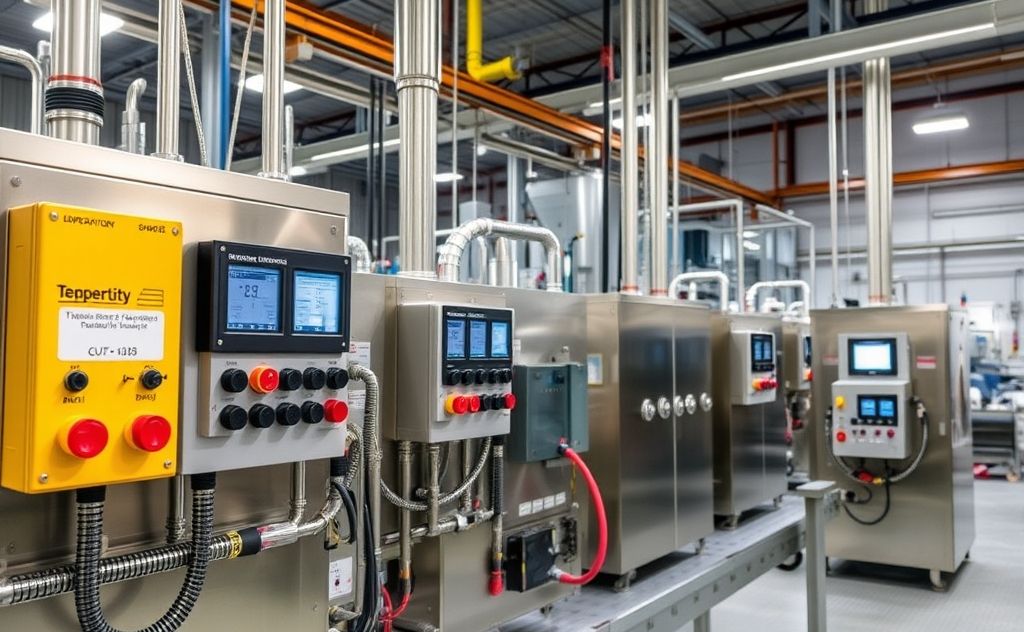
HVAC Systems For Industrial Temperature Control
Properly sized HVAC systems form the foundation of factory climate management. Key considerations include:
Centralized vs Zoned Systems
Large facilities often use a hybrid approach:
- Central air handlers for overall climate control
- Zoned systems for specialized areas
- Spot cooling/heating for equipment hotspots
Industrial-Grade Equipment
Standard commercial HVAC units often fail under factory demands. Look for:
| Feature | Benefit |
|---|---|
| Heavy-duty compressors | Handles continuous operation |
| Corrosion-resistant coils | Withstands harsh environments |
| High-efficiency filters | Maintains air quality |
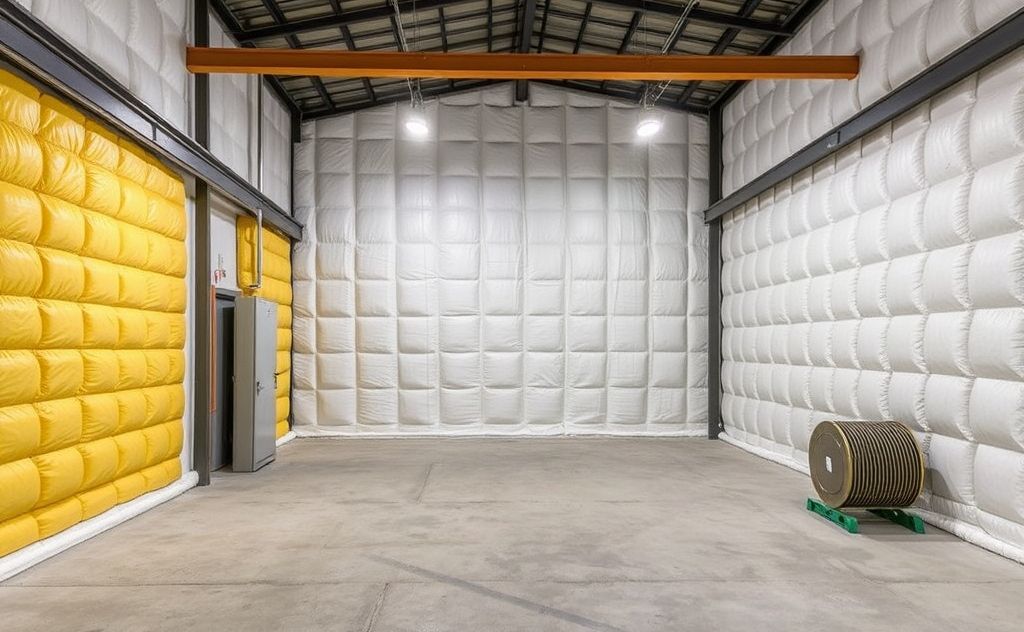
Insulation Strategies For Temperature Stability
Proper insulation reduces HVAC workload and maintains consistent temps. Effective solutions include:
Building Envelope Improvements
- Spray foam insulation for walls and ceilings
- Insulated dock doors and loading bays
- Thermal breaks in metal building components
Process-Specific Insulation
For specialized applications:
- High-temp insulation around furnaces
- Chilled water pipe insulation
- Reflective barriers near heat sources
For facilities needing portable heating solutions, consider the best indoor propane space heaters as temporary supplements.
Automated Climate Control Systems
Modern controls provide precise temperature management:
Smart Thermostats
Industrial-grade models offer:
- Multi-zone monitoring
- Remote access via mobile apps
- Integration with building automation
IoT Sensors
Wireless sensor networks provide real-time data on:
- Temperature variations across facility
- Humidity levels
- Equipment heat output
According to U.S. Department of Energy, smart controls can reduce HVAC costs by 10-30%.
Special Considerations For Different Industries
Pharmaceutical Facilities
Require strict compliance with EU and US regulations for:
- Cleanroom environments
- Storage areas
- Aseptic processing
Food Processing
Critical control points include:
- Refrigeration units
- Cooking zones
- Packaging areas
Electronics Manufacturing
Requires:
- ESD-safe environments
- Precise humidity control
- Cleanroom conditions
For water-based processes, the best water heater thermostat controls ensure precise temperature regulation.
Energy Efficiency Strategies
Balancing temperature control with energy savings:
Heat Recovery Systems
Capture waste heat from:
- Process equipment
- Compressed air systems
- Exhaust streams
Demand-Controlled Ventilation
Automatically adjusts based on:
- Occupancy levels
- Production schedules
- Outdoor conditions
Regular Maintenance
Essential for peak performance:
- Filter changes
- Coil cleaning
- Duct inspections
Related pick: Check today's price on Amazon

I am a mechanical engineer and love doing research on different home and outdoor heating options. When I am not working, I love spending time with my family and friends. I also enjoy blogging about my findings and helping others to find the best heating options for their needs.
Related guides

Industrial Temperature Control Costs: Key Factors & Savings
The costs of industrial temperature control vary widely, typically ranging from a few thousand to over a million…
Master Temperature Control in Industrial Processes
To integrate temperature control in processes, utilize sensors and automated systems to monitor and adjust temperature for optimal…
Master Staff Temperature Control Training in 5 Simple Steps
To train staff on temperature control, implement structured training sessions that cover proper storage, monitoring techniques, and compliance…
