Shoe Inserts For Warm Feet Without Crowding Your Toes
On this page 7 sections
Say your work boots have enough room for socks but not enough room for a bulky liner. A thin wool or shearling insert often helps because the dead air layer insulates, while a thick foam insert can make the toe box tighter and reduce circulation.
Cold feet are usually a fit problem, a moisture problem, or both. The right insole changes the microclimate inside the shoe, but the wrong one can turn a warm boot into a cramped one.
Shoe Inserts for Warm Feet: What Works and Why
Shoe inserts for warm feet work by trapping a thin layer of still air under your foot, slowing heat loss, and moving sweat away from your skin. The best pair also leaves your toes room to move, because squeezed toes lose circulation and can feel colder than they did in the original insole.
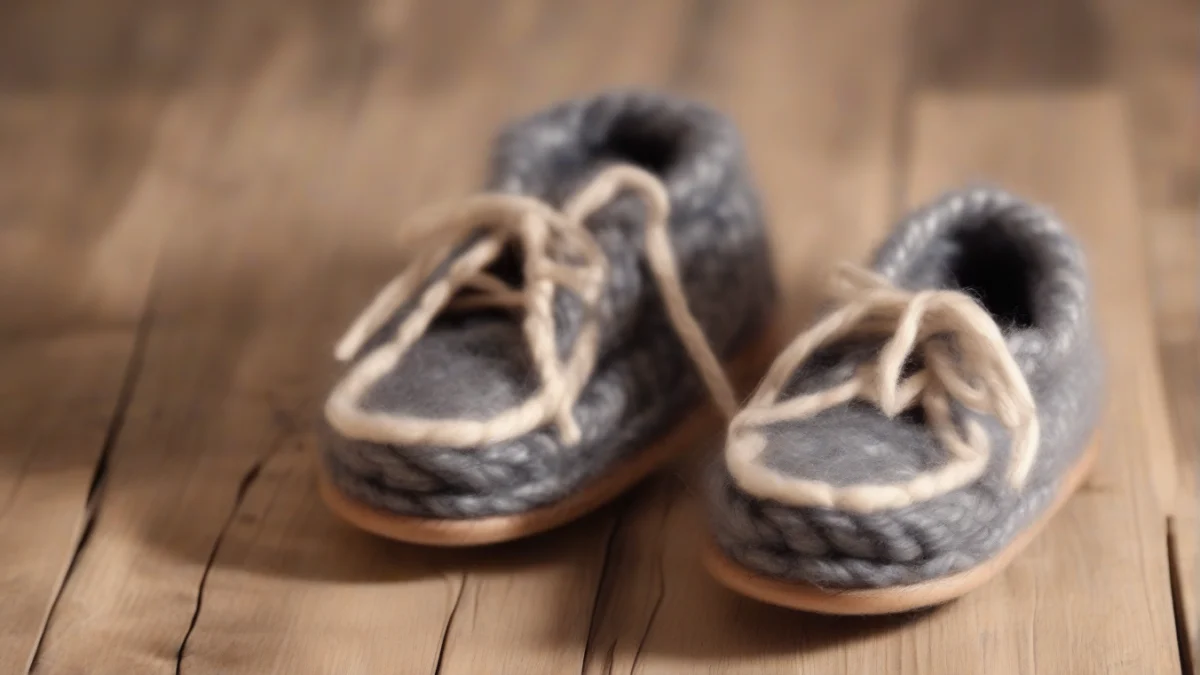
A removable insole changes the shoe’s small climate: the space between your sock, foot, and sole. Felt, wool, shearling, and some foam constructions add thermal insulation; moisture-wicking fibers keep liquid sweat from sitting against your skin and conducting heat away. The insert won’t create heat, so its benefit is strongest when your feet are already dry and your footwear blocks wind.
Boots and casual shoes are the natural matches for warming inserts, especially during a cold commute, outdoor errands, or a long day standing on a hard floor. Racing shoes and close-fitting performance footwear leave little spare volume, so a thick warmer can press on the toes and undermine the result. For chronically cold feet, pair the right insert with warm socks for chronically cold feet rather than stacking layers until the shoe becomes a clamp.
Compare Warm, Cool, And Support Materials

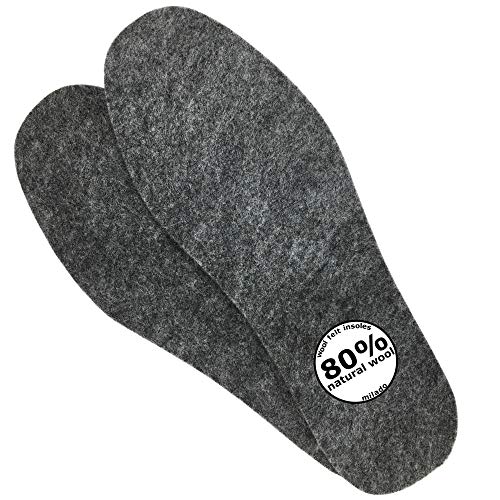
Wool and shearling provide the best cold insulation among these materials because their fibers hold still air around the foot. Temperature regulation improves only modestly and locally: an insole can reduce heat loss or move sweat, but it can’t overcome a wet sock, poor circulation, or a sealed boot with nowhere for heat and moisture to go.
Cooling insoles work best in ventilated sneakers; in non-breathable footwear, the mesh may move moisture inside the shoe without giving that moisture a path out. A closed boot limits airflow, so cooling performance is usually weaker there than in a breathable athletic shoe.
| Material | Warmth | Breathability | Support | Best use |
|---|---|---|---|---|
| Wool | High | Good moisture control | Low to moderate | Cold boots and casual shoes |
| Shearling | High | Good when kept dry | Low to moderate | Reusable winter warmth |
| Foam construction | Low to moderate | Varies by foam and cover | Moderate to high | Cushioning, shock absorption, and fit adjustment |
| Mesh or moisture-wicking cooling | Low warmth; cooling feel | High in ventilated shoes | Low to moderate | Running and warm-weather sneakers |
| Adhesive-backed insert | Depends on its top material | Depends on its top material | Low; stays in place | Thin shoes or inserts that slide |
Wool insoles resist odor because the fibers handle moisture well and wick it away from the skin instead of leaving a damp surface for long. Shearling can be reused winter after winter when it is allowed to dry between wears; its dense pile keeps air near the foot rather than relying on a disposable heat layer. Neither material makes a wet shoe sanitary, so airing the footwear still matters.
Choose Insoles For Boots, Sneakers, And Running Shoes
Insoles can change shoe fit enough to require a roomier size, so match thickness and support to the shoe before chasing warmth. Boots with spare toe-room can take a thicker wool or shearling-style insert; sneakers usually feel better with a thinner, more breathable layer that leaves your toes and heel secure.
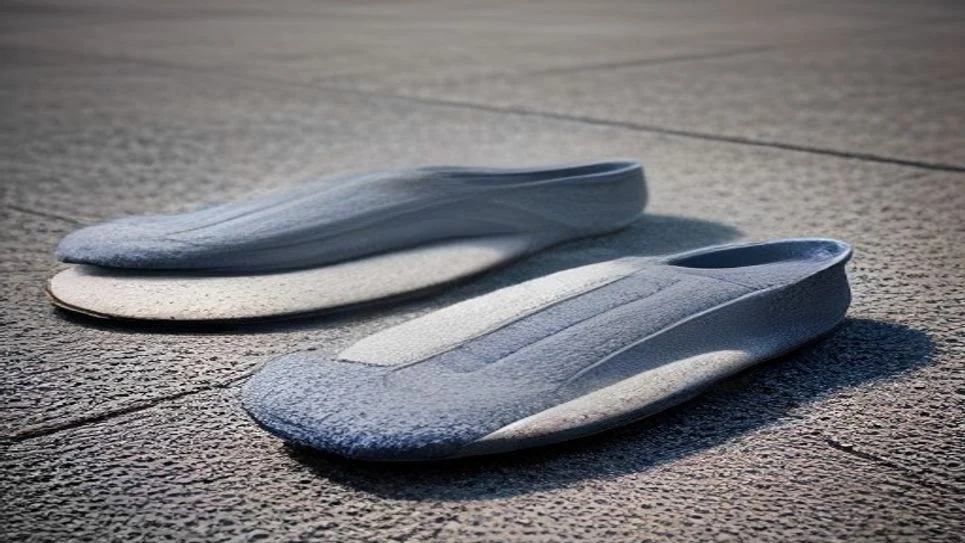
Narrow and wide feet need different shapes or trimming, rather than one universal insole. Look for a footbed that matches your shoe width, then use trim-to-fit customization only along the outline; cutting away arch support can change foot alignment.
| Shoe | Good starting point | Main tradeoff |
|---|---|---|
| Winter boots | Thicker wool or felt if the toe box allows it | More warmth, less interior room |
| Casual sneakers | Thin, breathable foam or wool | Less insulation than a thick boot insert |
| Running shoes | Aftermarket arch support or shock absorption with a secure heel cup | Too much height can loosen heel hold |
| Narrow shoes | Thin, narrow-profile insert that can be trimmed | Limited cushioning and thermal insulation |
| Wide shoes | A broad footbed with enough edge-to-edge coverage | A narrow insert can let the foot slide |
For athletes, the best balance of cooling and support is usually a breathable, moisture-wicking insert with modest arch support and shock absorption. Cooling insoles work better in ventilated sneakers; a closed, non-breathable boot traps the warm, damp air that the insert is meant to manage.
Adhesive backing improves security when an insert creeps or wrinkles, but it makes swapping the footbed between shoes harder. A non-adhesive insole is easier to remove, wash, and test in another pair, provided the shoe holds it flat.
Keep Insoles Clean Between Seasons
You can reuse insoles across seasons without odor buildup if you dry them fully between wears and clean the material as its maker allows. Damp fibers lose loft and warmth, while trapped moisture mixed with skin oils creates the smell that makes a warm insert unpleasant by February.
Air-dry removable insoles flat, away from direct heat unless the manufacturer permits heat drying. Radiators and hair dryers can warp foam, shrink wool, loosen adhesive, or flatten the layers that hold still air.
Check Fit Before You Buy Or Trim
Yes, insoles can change shoe fit: a thick insert may require a roomier size, while a thin one usually leaves the original fit alone. Adhesive backing keeps an insert from sliding, but non-adhesive designs are easier to remove, clean, and swap between shoes; comfort depends on a stable fit and enough toe room.
Measure the removable insole already in the shoe before buying a replacement. Take it out, measure heel to toe and across the widest point, then compare those dimensions with the new insert rather than trusting the shoe size alone. A half-size label can hide a surprisingly different interior shape.
How to Use Shoe Inserts for Warm Feet
Shoe inserts for warm feet work best when chosen and used to fit your shoes without crowding your toes. Too thick an insert can squeeze your foot, reducing comfort and circulation, which actually makes your feet colder.
Pick insoles that trap heat by holding still air but also fit well in your shoes. For boots, thicker wool or shearling insoles add warmth without tightness. Sneakers and running shoes need thinner insoles that fit without crowding, or you might need a size up.
Before buying, try the insert with your shoe and check the fit. If the shoe feels tight, consider a thinner insole or a larger shoe size. The goal is to trap heat and manage moisture without restricting blood flow or causing discomfort.