

Choosing a space heater for an elderly person means balancing warmth, safety, and simplicity. Older adults face higher risks from burns and fires, so features like automatic shutoff and cool-touch exteriors are essential.
This guide breaks down heater types, safety features, running costs, and placement advice tailored to seniors’ mobility and cognitive needs.
Safe Space Heaters for Seniors: What Features Matter Most
Safe space heaters for seniors need to combine top safety features with easy usability. That means tip-over and overheat protection, cool-touch exteriors, simple controls, and plugs designed for moist rooms.
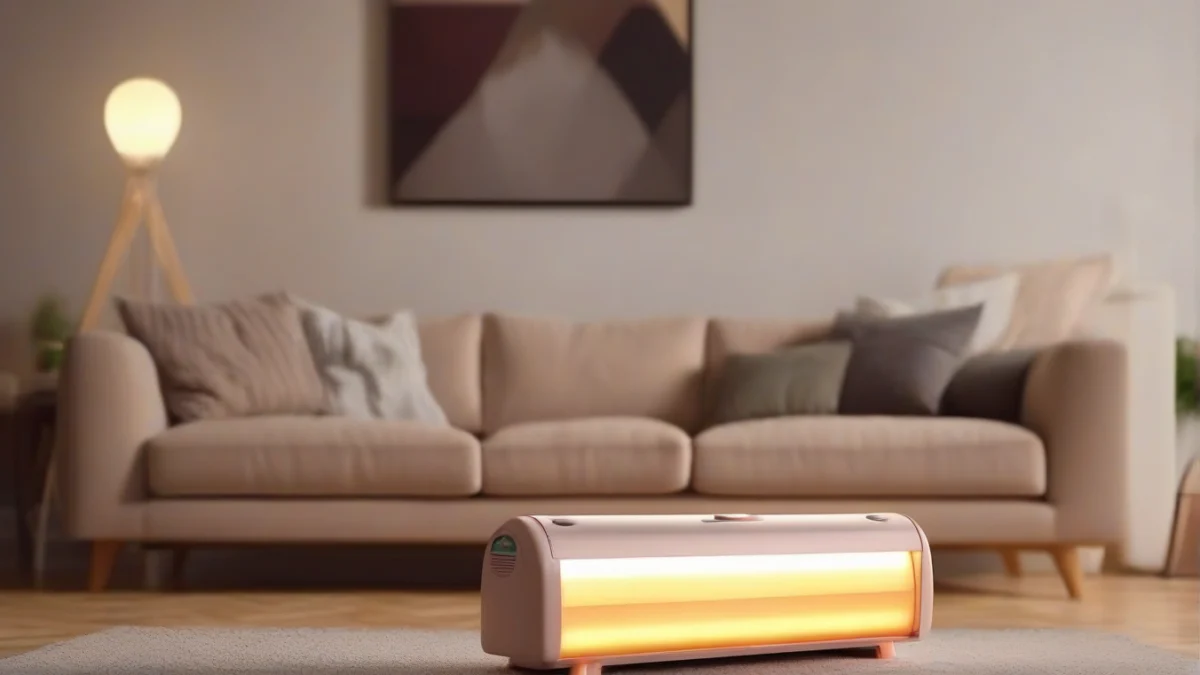
Electric space heaters are the safest indoor option for elderly users, but not all are equally suited. The tip-over switch is critical: it cuts power immediately if the heater falls, preventing fires from accidental knocks or trips. Overheat protection stops the heater from running at unsafe temperatures, reducing fire risk.
Look for UL or ETL certification. These marks guarantee the heater meets strict safety standards tested by independent labs. Certification is your first line of defense against substandard or counterfeit products.
Cool-touch exteriors are a must to prevent burn injuries, especially since seniors’ skin can be more sensitive or slower to react. Models with child-lock features or control panel locks help keep settings steady and avoid accidental changes by users with limited dexterity or mild cognitive impairment.
A three-foot clearance from anything combustible—furniture, curtains, bedding—is non-negotiable. This space prevents heat buildup that can ignite materials. For seniors with mobility challenges, heaters with remote controls or simple, large buttons reduce the need to bend or reach awkwardly.
Bathrooms and laundry rooms pose special risks due to moisture. Only heaters with GFCI plugs should be used here; they cut power instantly if they detect current leaks, protecting against electric shock.
Simple interfaces matter. Seniors often prefer fewer buttons, clear labels, and displays with large numerals. Models with thermostatic control keep room temperature steady and avoid overheating, which also lowers running costs—a key factor on a fixed income.
Running cost considerations are important for seniors. A typical 1,500-watt heater running 8 hours uses 12 kWh; at 17¢ per kWh, that’s about $2.04 a night. Choosing heaters with ECO modes or thermostats can cut this cost by preventing unnecessary heating.

How Different Heater Types Compare for Senior Safety and Comfort
Oil-filled radiator heaters are often safer for seniors than other electric space heaters because their surfaces stay warm instead of hot, reducing burn risk. While not risk-free, their steady heat and cool-touch exteriors make them less likely to cause injury if accidentally touched.
Infrared heaters warm people and objects directly rather than heating the air. This means they can provide quick, focused warmth without raising the whole room’s temperature, which is efficient and comfortable. They typically have cooler surfaces than ceramic heaters but still get hot and require careful placement to avoid burns.
Ceramic heaters use a heating element and a fan to blow warm air into the room. They heat up and cool down quickly but have hotter surfaces and moving parts, increasing burn and tip-over hazards. For seniors, this means a higher risk especially if mobility or reflexes are limited.
| Heater Type | Surface Temperature | Burn Risk | Noise Level | Energy Efficiency | Best Room Use |
|---|---|---|---|---|---|
| Oil-Filled Radiator | Warm (never hot) | Low | Silent | Moderate (steady heat) | Bedrooms, living rooms |
| Infrared Heater | Warm to hot | Moderate (direct heat) | Quiet | High (targeted heat) | Living rooms, bathrooms with GFCI plug |
| Ceramic Heater | Hot | Higher (hot surfaces, fan) | Noisy (fan) | Moderate | Bathrooms with GFCI, quick heat needed |
Noise matters for comfort and safety. Radiators run silently, which suits bedrooms and living rooms where seniors may rest or nap. Ceramic heaters’ fans produce a steady hum that some find distracting, while infrared models are usually quiet but can make a faint clicking sound when cycling.
Energy efficiency depends on how you use the heater. Infrared heaters excel in small, occupied spaces because they warm bodies and objects directly, avoiding wasted energy heating empty air. Radiators use electricity steadily to keep a room warm but can cost more over long periods. Ceramic heaters heat fast but only while running, so they may save energy if used briefly.
Bathrooms require special attention. Only heaters with GFCI plugs—often ceramic or infrared models designed for moist environments—are safe here. Oil-filled radiators generally lack this feature and should be kept out of bathrooms to avoid electrical hazards.
The best small space heaters for seniors blend safety features with ease of use. Look for tip-over switches, overheat protection, cool-touch surfaces, and simple controls or remote operation. Radiators often tick the safety and comfort boxes but are slower to heat. Infrared models heat quickly with less burn risk but watch placement. Ceramic heaters are best for quick bursts of heat in well-ventilated spaces and bathrooms with GFCI protection.

Where and How to Place Space Heaters in Senior Homes
Proper placement of space heaters is key to keeping seniors safe and comfortable, especially when mobility or vision issues come into play.
Start by keeping the heater at least 3 feet from anything combustible—furniture, curtains, bedding, or even a walker. That clearance prevents fires caused by accidental contact or overheating nearby materials.
Avoid extension cords and power strips. Plug space heaters directly into a wall outlet. Extension cords can overheat and cause fires, which is a common cause of heating-related home fires affecting older adults.
Bathrooms are especially risky because of moisture. Only use space heaters with a GFCI plug designed for bathrooms or damp areas. This feature cuts power instantly if it detects a ground fault, protecting against electric shock.
Place heaters where they’re easy to reach without bending or stretching—think about seniors using walkers or canes. A model with remote control helps avoid awkward moves that could cause falls. Position the heater on a stable surface, not the floor, to reduce trip hazards.
Many seniors shop at Walmart for practical heaters. Their selection includes models with tip-over switches, overheat protection, and GFCI plugs. Look for options labeled for bathroom use or with easy-to-read controls to match senior needs.
| Room Type | Placement Advice |
|---|---|
| Living Room or Bedroom | Place heater 3 feet from combustibles, on a stable surface, near seating areas with remote control for easy use |
| Bathroom | Use GFCI plug heater, keep away from water sources, place on counter or high shelf |
| Hallways and Walkways | Avoid placing heaters here to eliminate trip hazards |
| Rooms with Walkers or Canes | Maintain clear floor space, secure cords, place heater within easy reach but out of walking path |
Keeping these placement principles in mind lets seniors enjoy warm, safe spaces without added risks from their heating devices.
Running Costs and Energy Efficiency for Seniors on Fixed Incomes
Most electric space heaters use between 750 and 1,500 watts. A typical 1,500-watt model running for one hour uses 1.5 kilowatt-hours (kWh) of electricity. At a national average electricity rate of 17 cents per kWh, that costs about 25 cents per hour. Running costs add up quickly if the heater runs nonstop.

Thermostatic controls help cut costs by cycling the heater off once the room reaches the set temperature. Instead of running full power all the time, the heater uses only enough energy to maintain warmth, which can save around 15 to 30 percent on your electric bill compared to running at full blast.
Many heaters now include ECO modes and timers. ECO mode lowers the wattage or adjusts the cycling frequency to boost efficiency. Timers let you set the heater to turn off after a certain period, preventing it from running longer than needed, especially useful if you forget to shut it off.
Electric heaters are generally more expensive to run than natural gas models. Natural gas space heaters can cost roughly one-third to one-half the price per hour to operate, depending on local utility rates. The best natural gas space heaters are those with high AFUE (Annual Fuel Utilization Efficiency) ratings—above 85 percent—which indicates more heat delivered per unit of fuel. However, gas heaters require proper venting and professional installation.
Sizing your heater to the room is crucial to avoid wasted energy. A heater too small won’t warm the space efficiently, causing it to run longer and cost more. Too large, and it cycles on and off frequently, also wasting power. The rule of thumb is about 10 watts per square foot for a well-insulated room. Say your living room is 12 by 14 feet (168 square feet); a 1,500-watt heater matches that size perfectly.
Which space heater is truly efficient? Infrared heaters can be more efficient in some situations because they warm people and objects directly rather than heating all the air. This direct heat means less energy wasted, especially in drafty or large rooms where warm air escapes quickly.
Keep in mind that all electric heaters plug directly into a wall outlet drawing about 12.5 amps at 1,500 watts, so avoid extension cords to prevent overheating. Combining a well-sized heater with thermostatic control, ECO mode, and timers will yield the best savings without sacrificing comfort.
If you’re considering natural gas heaters, look for models with sealed combustion and proper venting to avoid indoor air quality issues. Electric heaters with high safety ratings and efficient controls suit most seniors best, balancing cost, convenience, and safety.
Choosing the right heater size and features can help seniors on fixed incomes stay warm without breaking the bank. For more on selecting heaters designed with seniors in mind, see space heaters for seniors with safety-first design.
Using Space Heaters Safely with Memory or Cognitive Impairments
Choosing a space heater for someone with memory issues means prioritizing automatic safety features and simplicity. Pick heaters with automatic shutoff switches that kick in if the unit tips over or overheats, so an accidental knock or blockage doesn’t turn into a fire risk.
Some space heaters, like those with programmable timers and smart sensors, reduce the chance of overheating or running endlessly. Timers can be set to shut the heater off after a few hours, and sensors adjust the heat output based on room temperature, avoiding unnecessary energy waste and hazards.
Avoid models that need frequent manual adjustments or complex settings. Seniors with cognitive impairments benefit from heaters with simple controls or a remote control—so they don’t have to bend down or fumble with small buttons. Lockout features on remotes prevent accidental changes to settings, keeping the heater stable and safe.
Leaving a heater unattended overnight is generally unsafe unless the model is specifically designed and tested for continuous operation. Even then, it should have multiple safety cutoffs and be placed well away from combustibles.
Remote controls improve safety by letting seniors operate the heater from a chair or bed, minimizing fall risk. Some heaters include smart sensors that pause heating if no movement is detected for a set time, a useful feature for monitoring unattended use.
Checklist Before Buying or Using a Space Heater for a Senior
The best space heaters for seniors often have remote control and overheat protection built in, like the models we cover earlier. These features reduce fall risk and provide peace of mind. UL listing or ETL certification confirms the unit meets recognized safety standards.
Clearance space is critical: keep the heater at least 3 feet away from curtains, bedding, furniture, and any flammable materials. Plugging directly into a wall outlet avoids overheating risks associated with extension cords or power strips.
Questions People Ask
Which space heaters are safest specifically for seniors?
Are there space heaters with features to accommodate mobility or cognitive limitations?
Can some space heaters be safely left on overnight?
What heater types minimize burn risk for elderly users?
Are infrared heaters safer or more efficient for seniors?
What are the best placement practices for space heaters in senior homes?
Is it safe to use space heaters in bathrooms or humid areas?
What makes an electric heater safe for seniors?

HeaterGuides covers home heating, water heating and HVAC: how the equipment works, what it costs to run, and how to use it safely.
