

When the power goes out or you want heat without plugging in, you need options that work without electricity. This article covers the safest and most effective indoor heating methods that don’t rely on electric fans, ignitions, or thermostats.
You’ll get clear guidance on fuel types, ventilation, heat retention, and safety precautions so you can stay warm without risking carbon monoxide or fire hazards.
Safe Indoor Heating Without Electricity: What Works
Safe indoor heating without electricity depends on combustion-based heaters like wood stoves, pellet stoves, kerosene heaters, and propane heaters equipped with safety features. Battery-powered space heaters exist but serve only limited roles due to their low run times and heat output.
Wood-burning stoves and pellet stoves are among the most reliable no-electricity heaters; they provide steady radiant heat and can often double as cooking surfaces. Pellet stoves sometimes work without electricity by gravity feeding pellets, but most need power for fans or igniters. Wood stoves require only fuel and proper ventilation.
Kerosene heaters give off strong radiant heat and can warm a room effectively without power, but they need constant fresh air to prevent dangerous carbon monoxide buildup. Propane heaters designed for indoor use include oxygen depletion sensors and tip-over switches for safety, making them viable no-electricity options if you follow ventilation rules strictly.
Fuel storage matters. Keep enough kerosene or propane on hand to run your heater through the outage, but store it outside or in a well-ventilated area away from ignition sources. Wood piles should be dry and stacked safely clear of the stove and combustibles. Burn duration varies: a typical kerosene heater might run 8 to 12 hours on a gallon of fuel.
Clearance distances from walls, furniture, and curtains are essential for all combustion heaters to prevent fires. Most indoor-safe propane and kerosene heaters specify at least 3 feet clearance on all sides. Wood and pellet stoves require more space and a noncombustible hearth pad. Tip-over switches shut fuel heaters off if tipped, but never rely on this alone—secure the heater on a flat surface.
No electric indoor heating options rely heavily on combustion and ventilation, paired with strict safety practices. Wood stoves and kerosene or propane heaters with sensors stand out for reliability and warmth. Battery-powered heaters fill a niche but can’t serve as primary heat sources during long power failures.
How Combustion Heaters Work Indoors Without Power
Kerosene heaters create strong radiant heat by burning kerosene fuel, but they produce fumes that can be dangerous without ventilation. To use one safely indoors without electricity, keep a window or door slightly open to allow fresh air in and combustion gases out. The oxygen depletion sensor on some models will shut the heater off if oxygen levels drop too low, but you shouldn’t rely on that alone.
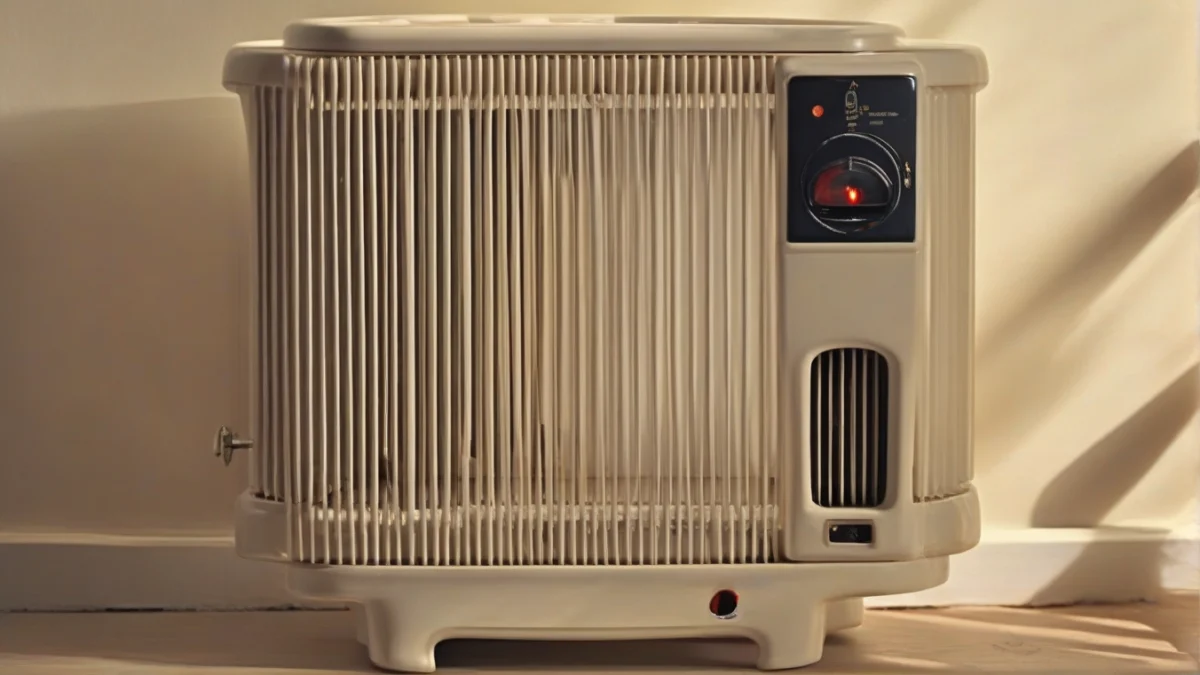
Portable propane heaters designed for indoor use have built-in safety features, including oxygen depletion sensors and tip-over switches. These sensors shut the heater down if air quality drops or the unit tips over. Ventilation is still critical. Without fresh air, carbon monoxide can accumulate quickly, so don’t seal off the room tightly.
Wood and pellet stoves burn solid fuel and can operate without electricity, especially those using gravity-fed pellets. They provide both heat and a cooking surface. When installed with a sealed firebox and a proper vented chimney, they keep indoor air clean by safely channeling smoke outside. Proper installation and venting are essential to avoid indoor pollution.
Gas inserts without electric ignition or powered venting rely on a standing pilot light and natural draft for exhaust. During a power outage, this draft may weaken, causing smoke or carbon monoxide to back up into the home. This risk means gas inserts without electric components can be less safe unless the venting system is designed to operate passively.
Heat Retention and Room Preparation Without Electricity
The best way to keep a space warm without electricity is to insulate and prepare one room thoroughly. Insulate walls and ceilings with blankets, foam panels, or removable insulation kits. Sealing cracks around windows and doors with draft stoppers or weatherstripping cuts heat loss dramatically.

Heavy curtains block cold from windows, especially at night. Keep doors closed to contain heat. If you have an indoor porch extension, treat it like an outdoor space: insulate walls and use thick curtains or plastic sheeting to reduce drafts. Avoid heating that area directly if it can’t be sealed well.
Zone heating helps you focus warmth where it matters. Use a wood stove, pellet stove, or portable heater in your main living or sleeping room, then close off other rooms to conserve heat. This strategy lowers fuel use and makes a single heat source effective.
Layered clothing and thermal blankets trap body heat and reduce the need for high room temperatures. Use hats, socks, and insulated pajamas to maintain warmth. Emergency heating blankets designed with reflective backing add extra protection in cold conditions.
Comparing No-Electricity Heater Types by Cost and Safety
Safe indoor heating without electricity relies mainly on combustion heaters, each with distinct costs, safety features, and ventilation needs that affect their suitability.
Wood stoves burn about 6 to 8 pounds of wood per hour, costing roughly $0.50 to $1 per hour depending on local firewood prices. They produce high heat output, suitable for large rooms or open areas, but need a chimney or flue for smoke venting. Their main safety concerns are clearances to combustibles, chimney maintenance, and carbon monoxide risk if venting fails.
Pellet stoves can run without electricity if gravity-fed; they burn about 1.5 to 3 pounds of pellets per hour. Pellets cost about $4 to $6 per 40-pound bag, translating to roughly $0.15 to $0.45 per hour. Pellet stoves produce clean, steady heat but require venting and some maintenance. Their safety features focus on preventing pellet feed jams and proper venting to avoid carbon monoxide accumulation.
Portable kerosene heaters burn about 0.3 to 0.5 gallons of kerosene per hour. At $4.50 per gallon, that’s about $1.35 to $2.25 per hour. They produce strong radiant heat suitable for medium-sized rooms but must run with continuous ventilation to avoid dangerous fumes. Modern models have oxygen depletion sensors and tip-over switches for safety, but ventilation remains critical to prevent carbon monoxide poisoning.
Indoor-rated propane heaters consume roughly 0.4 to 0.5 gallons of propane per hour. Propane costs around $3.00 per gallon, so expect about $1.20 to $1.50 per hour. These heaters provide intense, fast heat for rooms up to 500 square feet and include oxygen depletion sensors and tip-over switches. Proper ventilation is mandatory to mitigate carbon monoxide risks, and users must never use outdoor-only models indoors.
| Heater Type | Fuel Burn Rate | Cost per Hour (approx.) | Safety Features | Ventilation Needs | Heat Output & Room Size |
|---|---|---|---|---|---|
| Wood Stove | 6–8 lbs wood/hour | Varies by local fuel prices and usage, with kerosene generally costing more than propane per hour of heat output. | Clearance rules, chimney maintenance | Chimney or flue required | High heat, large rooms |
| Pellet Stove (gravity feed) | 1.5–3 lbs pellets/hour | Costs depend on fuel rates and burn efficiency, but propane tends to be less expensive per hour than kerosene. | Feed jam prevention, venting | Vented flue required | Moderate heat, medium rooms |
| Kerosene Heater | 0.3–0.5 gal kerosene/hour | Fuel expenses fluctuate widely by region and season; wood pellets offer a cost-effective option where available. | Oxygen depletion sensor, tip-over switch | Continuous ventilation required | Strong radiant heat, medium rooms |
| Indoor Propane Heater | 0.4–0.5 gal propane/hour | Pricing varies with fuel source and supplier; wood is often one of the least expensive heating fuels if sourced locally. | Oxygen depletion sensor, tip-over switch | Continuous ventilation required | Intense heat, up to 500 sq ft |
Battery-Powered and Alternative Heat Sources
Battery-powered space heaters offer limited heat and runtime, making them impractical for extended outages. Most models draw about 100 to 400 watts and run only a few hours on high settings from typical battery packs.
Candles produce minimal heat—roughly 30 watts each—and are better suited for emergency lighting than warming a room. Using multiple candles for heat raises serious fire risks and carbon monoxide concerns without proper ventilation.
Small biofuel cans and catalytic heaters provide a modest heat source and can be useful in emergencies. Catalytic heaters burn fuel at lower temperatures without an open flame, reducing fire risks. However, like all combustion heaters, they require ventilation to avoid carbon monoxide buildup.
Backup electric generators can power electric heaters longer during outages but need safe fuel storage and operation outdoors to prevent carbon monoxide poisoning. They do not eliminate the need for proper ventilation if used with indoor heating devices.
More Questions, Answered
How can I safely use a kerosene heater indoors without electricity?
What ventilation is necessary when using propane heaters inside?
Are pellet stoves always dependent on electricity?
Can candles provide enough heat during power outages?
How long can fuel supplies last for kerosene or propane heaters?
What insulation methods help retain heat without power?

I am a mechanical engineer and love doing research on different home and outdoor heating options. When I am not working, I love spending time with my family and friends. I also enjoy blogging about my findings and helping others to find the best heating options for their needs.
Related guides

Reliable Compact Indoor Heater with Digital Thermostat Review
Stay warm effortlessly with a compact indoor heater featuring a digital thermostat for precise temperature control and energy-efficient…
Reliable Portable Indoor Space Heater with Multiple Modes
Basic heaters overheat—but DREO and WINHL deliver versatile comfort with multiple modes. Finding the right portable indoor space…
Cozy & Quiet Indoor Heater Perfect for Small Homes
Struggling to stay warm without noisy heaters disrupting your peace? A quiet indoor heater can solve this. A…
