Roof Integrity and Space Heater Use: About 12 Cents an Hour to Run Safely
On this page 8 sections
- How Roof Integrity Relates to Space Heater Use
- What Types of Space Heaters Are Best for Roof and Attic Spaces
- How to Install Space Heaters to Protect Roof Integrity
- Space Heaters Are Not a Substitute for Electric Roof De-Icing Systems
- Ventilation and Efficiency When Using Space Heaters Near Roofs
- Pre-Use Checklist for Safe and Effective Space Heater Roof Heating
- How Roof Integrity Relates to Space Heater Use
- Frequently Asked Questions
Space heaters near or in roof spaces can prevent ice dams and protect roof structure if chosen and installed correctly.
Ignoring roof heating safety risks costly damage and fire hazards, while proper use saves money and extends roof life.
How Roof Integrity Relates to Space Heater Use

Space heaters affect roof integrity primarily through how their heat interacts with roof materials and ventilation. Using a space heater near a roof can prevent ice dams but risks damage or fire if overheating or poor ventilation occurs.
Heat from space heaters warms roof surfaces, which helps melt snow and ice buildup that causes ice dams. Ice dams form when snow melts and refreezes at roof eaves, pooling water that seeps under shingles and damages the roof deck and insulation. By preventing ice dams, space heaters protect roof structural integrity over winter.
But uncontrolled heat can warp or degrade roofing materials like asphalt shingles, wood, or underlayment. High temperatures cause asphalt shingles to become brittle or curl, shortening their lifespan. Wood sheathing can dry and crack. Ventilation matters because trapped heat raises attic temperatures, increasing moisture buildup that leads to rot or mold.
| Roof Material | Heat Damage Risk |
|---|---|
| Asphalt Shingles | Moderate: brittle, curl after prolonged heat |
| Wood Sheathing | High: dries out, cracks with excess heat |
| Underlayment | Low to Moderate: can degrade if overheated |
Space heater safety features like automatic shutoff at high temps and tip-over switches prevent overheating and fires near roofs. Choose models certified by UL, ETL, or CSA that include these protections.
Proper ventilation prevents heat and moisture buildup in attic spaces heated by space heaters. Without fresh air, humidity rises, risking condensation on cold roof surfaces and water damage.
Installing a space heater near a roof is a balance: enough heat to prevent ice dams but not so much it damages materials or causes fire. Proper ventilation and safety features are critical to protect roof integrity and home safety.
What Types of Space Heaters Are Best for Roof and Attic Spaces
The best types of space heaters for roof and attic spaces are those that deliver safe, efficient heat without drying out air or making noise. Infrared, ceramic, and oil-filled heaters each have pros and cons for roof applications.
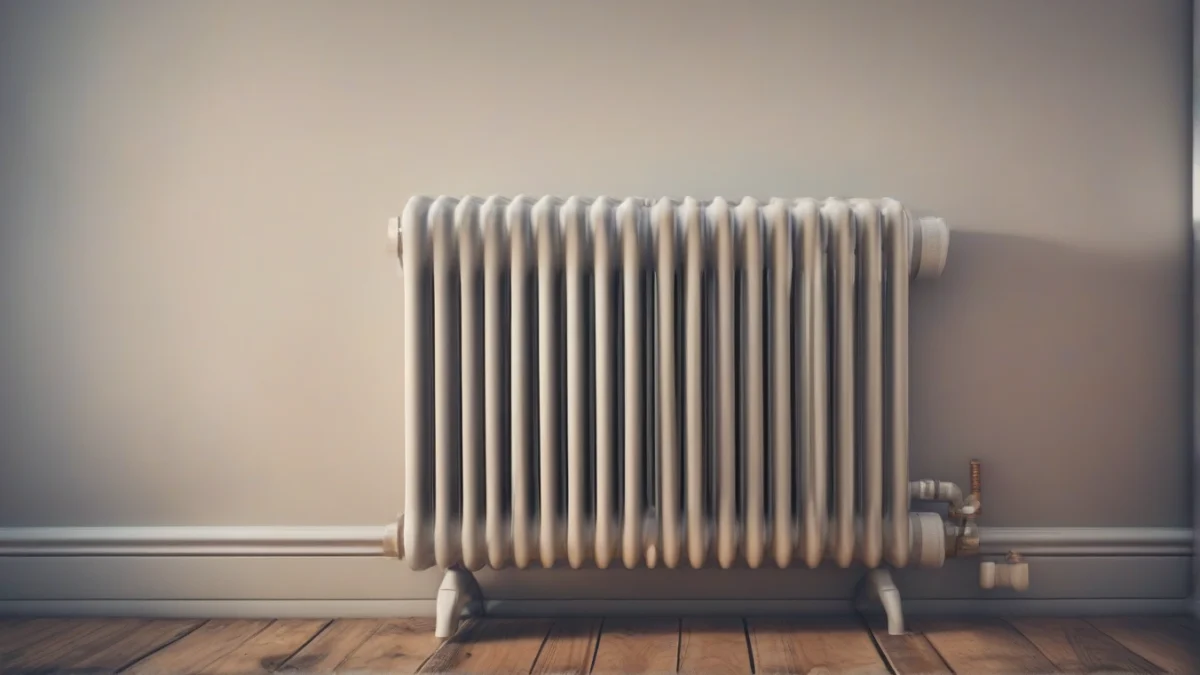
Infrared heaters warm objects and surfaces directly without heating all the air, making them energy-efficient and quiet. They’re less effective at heating entire rooms but ideal for targeted roof or attic heating where air circulation is limited. Infrared heat also reduces moisture buildup since it doesn’t dry out air much.
Ceramic heaters quickly heat air and often have cool-touch exteriors for safety. They’re compact and usually include oscillation for better heat distribution. However, they can be noisy and dry out air, which might worsen moisture problems in poorly ventilated roof spaces.
Oil-filled heaters provide consistent, silent heat and continue to warm after switching off thanks to the oil’s heat retention. They take longer to warm up and are bulky, which may limit placement options in cramped attic spaces. Their gentle heat is less likely to cause material damage or dry air excessively.
| Feature | Infrared Heater | Ceramic Heater | Oil-Filled Heater |
|---|---|---|---|
| Heat Delivery | Direct to objects, quiet | Air heating, fast warm-up | Radiant and convection, slow warm-up |
| Energy Efficiency | High for spot heating | Moderate, heats air quickly | Moderate, steady heat |
| Noise Level | Very quiet | Moderate to loud | Silent |
| Effect on Air Moisture | Minimal drying | Dries air, can raise static | Minimal drying |
| Size and Placement | Compact, easy to position | Compact, portable | Bulky, heavy |
| Safety Features | Often includes auto shutoff | Usually includes tip-over switch | Includes auto shutoff, tip-over protection |
Small, poorly ventilated roof spaces benefit from infrared heaters for targeted heat without drying air or raising noise. Oil-filled heaters suit larger or less accessible spaces needing gentle, long-lasting warmth. Ceramic heaters are a middle ground but watch for drying and noise.
For a safe space heater at Walmart or similar stores, look for models with automatic shutoff, tip-over protection, and adjustable thermostats. The DREO 25 Inch Electric Space Heater (product 1) combines quiet ceramic heating with safety features and thermostat control, making it a good all-around pick for roof-adjacent spaces.

How to Install Space Heaters to Protect Roof Integrity
Installing a space heater near or in roof spaces demands careful placement to prevent roof damage or fire. Avoid setting heaters close to gutters, eaves, or combustible roofing materials; maintain at least three feet of clearance from anything flammable.
Roof spaces, especially attics, are often cramped and poorly ventilated. Proper ventilation is critical to avoid moisture buildup and overheating, which can degrade roofing materials over time. Ensure your heater’s installation allows fresh air intake and exhaust if the unit requires it.
Electrical safety cannot be overstated. Use a dedicated circuit that can handle the heater’s amperage—typically 12.5 amps for a 1,500-watt heater on a 15-amp breaker. Never plug heaters into extension cords or power strips, which can overload and cause fires.
Managing heat output helps protect roof integrity. Space heaters that emit focused radiant heat can cause localized damage if pointed too close to roofing materials. Adjust settings and position to disperse heat evenly without overheating any area.
 Winter Heating Bill CutterSee what every heater in your home really costs, heat the rooms you use, and cut the waste in 30 days.Cost-per-hour tables for every heaterThermostat schedule and draft-proofing planRunning-cost and bill calculator (Excel)
Space Heaters Are Not a Substitute for Electric Roof De-Icing Systems
Space heaters and electric roof de-icing systems serve different roles, and one generally cannot replace the other effectively. Roof de-icing uses radiant heat trace cables installed along roof edges and gutters to melt snow and ice, preventing ice dams and water damage.
Heat trace cables operate continuously at low power, self-regulating to maintain temperature near freezing. This focused radiant roof heating protects roof structural integrity by preventing water pooling. Space heaters provide bulk air or directional heat but are not designed to trace roof surfaces or operate safely outdoors.
| Feature | Space Heaters | Electric Roof Heat Trace Cables |
|---|---|---|
| Installation | Portable or fixed indoors, requires clearance | Permanent, mounted on roof edges and gutters |
| Heat Application | Heats air or objects in a room | Radiant heat along roof surfaces |
| Energy Use | ~1,500 W per unit, used intermittently | Typically lower per linear foot, runs continuously |
| Effectiveness for Ice Dams | Limited and indirect | Highly effective at melting snow and ice buildup |
| Roof Material Impact | Risk of localized overheating if misused | Designed to avoid material damage |
| Safety | Requires ventilation and careful placement | Safe when installed per specs and code |
A worked example illustrates cost and performance differences. Say a roof needs 100 feet of heat trace cable drawing 10 watts per foot, totaling 1,000 watts running continuously during freezing weather. Running 24 hours at 17 cents/kWh costs about $4 daily. A space heater running 8 hours at 1,500 watts costs about $2.04 daily but cannot target ice buildup effectively.
Long-term, electric roof heating cables protect roof materials by preventing ice dams that cause water intrusion and freeze-thaw damage. Space heaters may dry or overheat roofing materials if improperly used, risking accelerated material degradation.
Use space heaters indoors or in small roof-adjacent spaces where supplemental heat is needed. For reliable roof de-icing, heat trace cables remain the proven solution. Combining both can help in specific scenarios, but space heaters alone do not replace dedicated roof de-icing systems.
Ventilation and Efficiency When Using Space Heaters Near Roofs
Ventilation in roof spaces is crucial to prevent moisture buildup that can rot wood and damage insulation. Heat trapped without airflow raises the risk of overheating materials, which harms roof integrity over time.
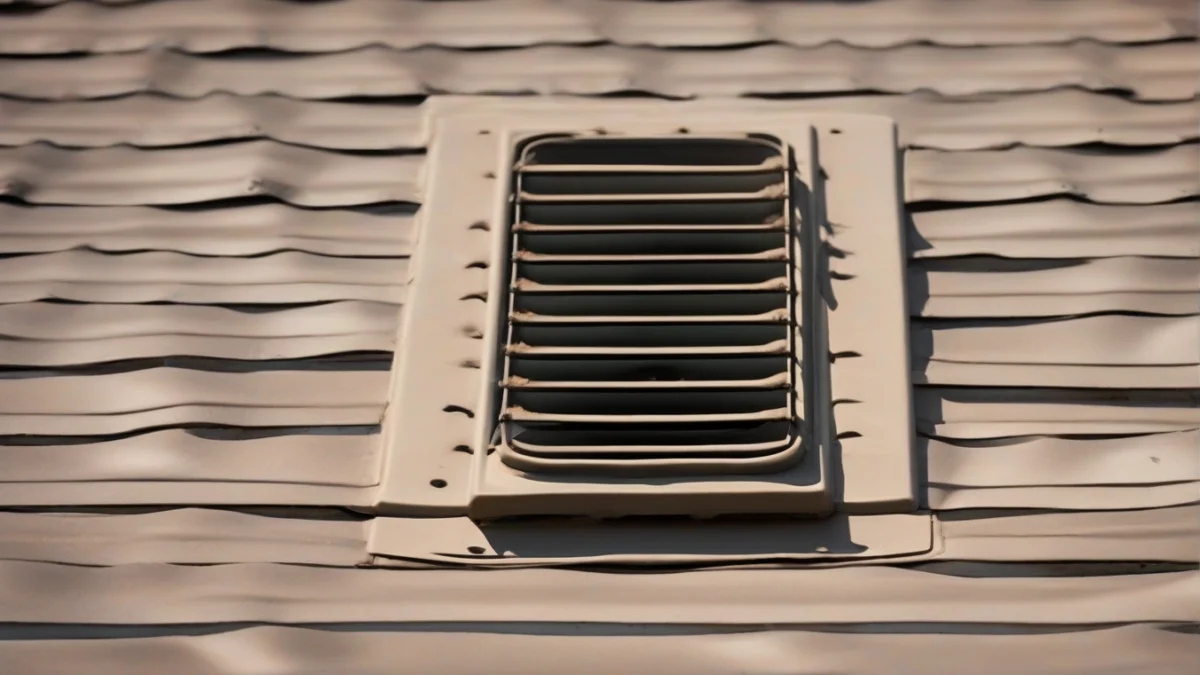
Insulation level directly influences how much heating a roof space requires. Poor insulation lets heat escape quickly, demanding higher heater output and increasing energy costs. Well-insulated roof cavities retain warmth longer, so a smaller heater can maintain safe temperatures efficiently.
For small roof spaces, choose a heater sized to the volume and insulation quality. Infrared heaters work well by warming objects and surfaces directly, reducing wasted warm air. Avoid models that dry out air excessively or run noisy fans, which can disrupt attic ventilation.
Maximize heater efficiency by sealing gaps that leak warm air and ensuring the roof space has balanced ventilation: intake vents low in the eaves and exhaust vents near the ridge. This setup removes moisture and prevents hot spots without wasting heat.
Pre-Use Checklist for Safe and Effective Space Heater Roof Heating
Space heater safety starts before you buy or plug in. Confirm your electrical circuit can handle the heater’s draw—most plug-in models draw about 12.5 amps at 1,500 watts, so a standard 15-amp circuit must have no heavy loads running alongside it. Check the outlet and cord for damage or loose connections to prevent fire hazards.
Proper installation means maintaining clearances from combustibles and ensuring the heater isn’t close to roof materials that could overheat or degrade. Ventilation must allow moisture and heat to escape to avoid rot and condensation. Verify your roof insulation is intact to reduce heat loss and protect structural integrity, and make sure drainage paths like gutters are clear to prevent water pooling.
Remember, space heaters can be safe near roofs if their heat doesn’t build up in enclosed spaces without ventilation. Overheating risks rise if you block airflow or place heaters too close to wood or insulation. Use models with automatic shutoff and tip-over protection, and never leave them unattended in attic or roof spaces. Confirming these points early avoids the common mistakes that damage roofs or cause fires.
How Roof Integrity Relates to Space Heater Use
A space heater can threaten roof integrity mainly by starting a fire or worsening moisture problems—not by normally warming the roof from inside a living room. Keep portable heaters out of attics and roof cavities; those spaces can contain exposed wood, insulation and dust that ignite if the heater is too close.
A heater in a room below the roof doesn’t replace insulation or fix a roof leak. If the attic is poorly ventilated, household moisture can condense on cold roof sheathing and contribute to rot; adding a space heater there is not a safe way to dry it out. Find and correct the moisture source, and check the roof and attic ventilation instead.