

The common mistake is buying for the flame picture and ignoring the heater size, outlet limits, and mantel footprint. That can leave you with a pretty box that warms almost nothing, or a unit that crowds the room and the TV stand.
The better move is to match the insert, the mantel dimensions, and the room size first. After that, the flame settings, finish, and remote are the fun part.
Realistic Electric Fireplaces with Mantels for Your Home
An electric fireplace with mantel is a freestanding mantel surround with an electric fireplace insert inside it. LEDs shine onto reflectors and a log set to create the moving flame effect, while a separate fan heater supplies warmth—usually up to 1,500 watts from a plug-in unit. No chimney or gas line is involved, but the heater still needs a direct wall outlet, three feet of clearance, and a clear path for warm air.
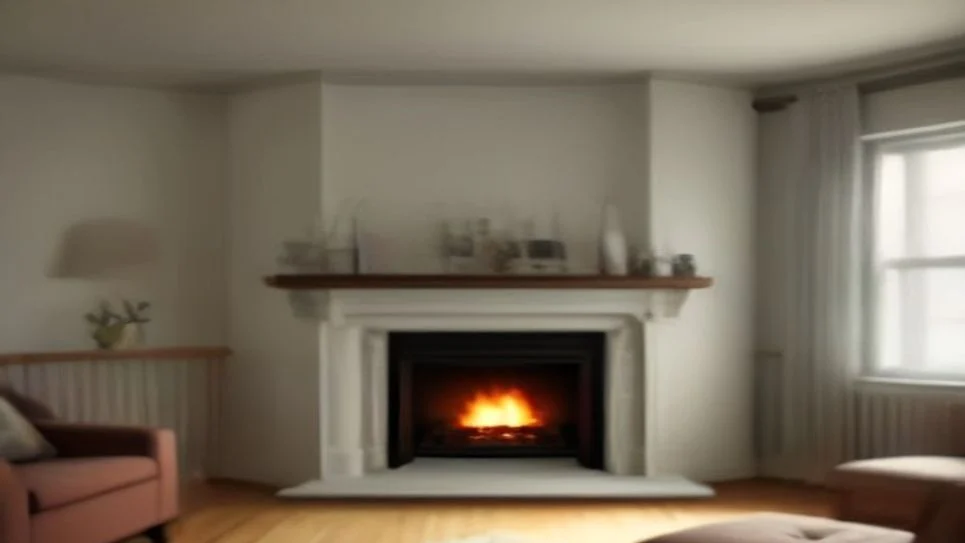
The best electric fireplace with mantel depends on the room and the job. For a living room, bedroom, home office, or dining room where you want a focal point and nearby zone heat, a mantel can look like furniture instead of another appliance. A narrow room, small apartment, or already crowded wall may be better served by an insert or wall-mounted model; decorative trim has a talent for becoming expensive floor clutter.
| Feature | What It Changes | Best Fit |
|---|---|---|
| LEDs, reflectors, and log set | Creates the moving flame and glowing ember effect | Atmosphere in living rooms, bedrooms, offices, and dining rooms |
| Flame color and brightness controls | Changes the appearance, not the heat output | A room where you want flame-only use in warmer weather |
| 1,500 W plug-in heater | Adds supplemental zone heat near the fireplace | A reasonably closed room, not whole-house heating |
| Mantel surround | Adds furniture presence and a shelf or focal wall | Rooms with enough floor and wall space |
| Thermostat, timer, and remote | Controls run time and room temperature more conveniently | Regular evening use without walking to the unit |
Searches for duraflame electric fireplaces often mean the reader wants a mantel-style unit with realistic logs, remote control, and flame-only operation. Compare those features with the insert’s wattage and safety functions instead of treating the name as a heat rating; a duraflame electric fireplaces buying guide can help sort that category.

How Much Heat You Actually Get
A 1,500-watt electric fireplace produces about 5,118 BTU/h, and nearly all of the electricity becomes heat inside the room. The thermostat cycles the heating element off when the sensed temperature reaches its setting, then turns it back on as the room cools; the flame display can keep running while the heater stays off.
| What You Notice | Why It Happens | What To Check |
|---|---|---|
| Warmest near the unit | The fan distributes heat from one point, so the nearby zone feels it first | Keep the outlet clear and don’t hide the heater behind furniture |
| Fan sound during heating | A blower moves air across the heating element | Use flame-only mode when you want the display without fan noise |
| Heater cycling on and off | The thermostat is maintaining its set temperature | A lower setting may reduce cycling; drafts can make it run longer |
| No extra heat from better flames | The display uses LEDs and reflectors separate from the heater | Compare wattage, not flame brightness or realism |
That makes electric heaters for homes useful as zone heaters in occupied rooms, especially when you want to warm one space instead of raising the thermostat for the entire house. The best electric heaters for home use are sized for the room and plugged into a suitable wall outlet; electric heater reviews for home use are most useful when they report controls, noise, safety features, and real room limits rather than admiring the flame alone.

What Realism Features Matter Most
A decorative electric fireplace looks convincing when its flame, ember bed and mantel proportions work together; extra lights rarely make the room warmer. For the search “top 5 electric fireplaces you need for your home,” there isn’t one honest ranking for every room. Compare the insert’s visual controls and the surround’s construction instead.
| Realism trait | What it actually changes |
|---|---|
| Flame color | Appearance and mood; amber, yellow or multicolor settings don’t change heat output. |
| Brightness levels | Appearance and flexibility; dimming helps the fire look less cartoon-bright in a dark room. |
| Ember bed style | Appearance; glowing crystals, logs or ember media create different looks. |
| Log detail | Appearance; textured, irregular logs usually look more convincing than flat printed shapes. |
| Layered reflections | Appearance; separate flame, ember and rear reflections can add depth instead of making the fire look like a flat screen. |
| Mantel width and finish | Appearance and fit; a proportional surround can look built in, while a narrow boxy one can look parked against the wall. |
| Heater setting | Heat only; visual upgrades don’t increase the insert’s heating capacity. |
A good mantel finish matters because the surround is visible even when the flame is off. MDF mantels are common and fine for indoor use when assembled correctly and kept away from moisture; solid wood generally handles small dings better. Check the joints, edge finish and scale against the insert before paying extra for decorative trim.
How Much It Costs to Run
A 750-watt setting costs half as much per hour as a 1,500-watt setting, so an electric fireplace with mantel is usually inexpensive for evening zone heat and a poor choice for heating an entire house. Electric fireplace height affects fit and sightlines, not the electricity math; use the mantel and insert dimensions to check the room before you buy.
Use watts ÷ 1,000 × hours × electricity rate to estimate use. The examples below assume four hours per day, 30 days and $0.17 per kWh. A 750 W setting uses 0.75 kWh per hour; 1,500 W uses 1.5 kWh per hour.
| Heater | Watts | Per hour | Per day (4 h) | Per month (30 days) |
|---|---|---|---|---|
| 750 W heat setting | 750 W | 13¢ | 51¢ | $15.30 |
| 1,500 W heat setting | 1,500 W | 26¢ | $1.02 | $30.60 |
Flame-only mode uses much less power than heat mode, although the exact draw depends on the model’s LEDs, display and fan. A thermostat also cycles the heater on and off after the room reaches its setting, so the monthly bill follows runtime rather than the nameplate wattage alone. Electric heater reviews for home use can reveal noise or control quirks, but they can’t replace this calculation.
Where It Fits Best In The Home
A built-in electric fireplace belongs in a framed wall opening, while a freestanding mantel unit arrives as a complete surround and a furniture-style piece is meant to look like movable casework. That choice affects installation, floor space and how much measuring you need to do before ordering.

Electric fireplace height matters most when a TV will share the wall: follow the fireplace and television manufacturers’ clearances, and don’t assume the mantel is a TV shelf. For example, the Real Flame units allow a TV to hang above the mantel, but the TV shouldn’t sit directly on it; the mantel is rated to support 30 lb. A higher mantel can also push the screen above a comfortable viewing angle.
Small bedrooms, living rooms and home offices are usually the sensible homes for a plug-in mantel fireplace because you can heat the occupied area without treating the whole house. An open-plan great room may need a larger heater or a second heat source, since walls and doorways don’t magically appear when the floor plan gets ambitious.
A freestanding mantel is the simplest option for a renter or a room that may change later. Built-in inserts give a cleaner wall treatment but require framing and a proper electrical plan, while furniture-style fireplaces make sense when you want the mantel to function visually as a stand-alone cabinet rather than a permanent renovation.
Common Problems And Easy Fixes
Electric fireplace repair starts with safe external checks: confirm the plug is fully seated, the outlet has power, the heater mode is selected and the thermostat is set above room temperature. If the flame is missing, check the flame control, remote batteries and the manual’s reset procedure before blaming the insert.
Can you paint an electric fireplace? You can paint the removable mantel when its material and paint instructions allow it, but painting the heater housing or insert is different. Heat, vents and electrical labels make that a manufacturer-permission job; never coat an air opening or cover a safety label.
What To Do Next
The best electric fireplace with mantel is the one that fits your room, outlet and heating goal; electric fireplace repair starts with the cord, outlet and overheat reset before you shop for a replacement. Electric heaters for the home work best when you match their output and placement to the room instead of asking one plug-in unit to heat the whole house.
For a buying shortlist, compare the best electric fireplace mantels by room fit and controls rather than flame pictures alone; the fireplace still has to live with your outlet and your furniture.
Questions People Ask
How realistic are electric fireplaces with mantels?
How much electricity does a 1,500 W electric fireplace use?
Can you put a TV above an electric fireplace with a mantel?
What is the difference between a built-in electric fireplace and a mantel unit?
Can you paint an electric fireplace mantel?

I am a mechanical engineer and love doing research on different home and outdoor heating options. When I am not working, I love spending time with my family and friends. I also enjoy blogging about my findings and helping others to find the best heating options for their needs.
Related guides

Why the Air Choice 33” Baseboard Heater Stands Out in Comfort
Looking for efficient heating? Check out our in-depth Air Choice 33” Baseboard Heater review to find out if…
Top 5 Ceramic Logs for Gas Fireplaces That Will Transform Your Space
Transform your fireplace experience with realistic ceramic logs that enhance warmth and ambiance effortlessly! Introducing the VEVOR 10…
Transform Your Space: Electric Fireplace Logs Inserts with 5 Flame Brightness
Ignite your cozy nights with our Electric Fireplace Logs Inserts Heater! Check out our review on 5 flame…
