Can You Paint an Electric Fireplace? What You Need to Know
Joye
Updated October 1, 2026 11 min read
Bottom line
Yes, you can paint an electric fireplace as long as you avoid the heating elements and vent openings, use heat-resistant paint, and unplug the unit first. Painting the exterior surround or mantel refreshes the look without affecting safety or performance.
Painting an electric fireplace can update its style without replacing the whole unit. Unlike gas or wood fireplaces, electric models have cooler exterior surfaces that allow painting — but only under certain conditions.
The key is to steer clear of parts that generate heat or airflow, and to pick paint that withstands moderate warmth. This guide explains when painting is safe, what materials to use, and how to avoid damage or hazards.
What to remember
You can paint the exterior mantel or surround but never the glass, vents, or internal parts.
Use heat-resistant or high-heat spray paint designed for moderate temperatures up to about 200°F.
Always unplug the fireplace before painting and keep vents free of paint to avoid overheating.
Avoid painting control panels, warning labels, or any area that gets hot enough to affect paint durability.
Proper surface prep—cleaning and light sanding—improves paint adhesion and lifespan.
Can You Paint an Electric Fireplace? Yes, With Conditions
Yes, you can paint an electric fireplace surround or mantel if those parts are cool, solid exterior surfaces and you keep paint away from the heater, vents and controls. Unplug the fireplace first, use paint rated for the surface and expected heat, and leave every opening that moves air completely clear.
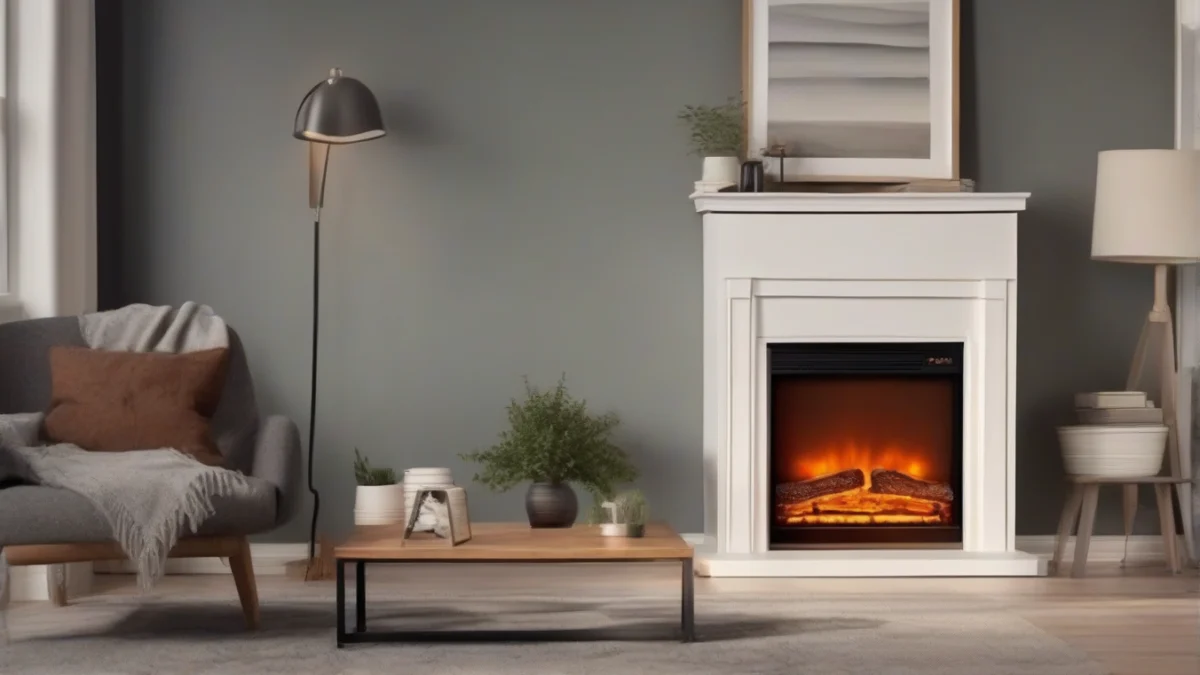
This painted surround illustrates safe painting practices.
The surround and mantel are usually the sensible places to change the color because they don’t generate heat. A wood, MDF, metal or other manufacturer-approved exterior can take paint when it’s clean, sound and properly prepared; check the fireplace manual before coating anything attached to the heater cabinet.
Part
Paint it?
Reason
Exterior surround
Usually, with the right coating
It’s a decorative exterior surface, provided it doesn’t cover vents or controls.
Mantel
Usually, with the right coating
It can be painted if the material and finish accept paint and the surface stays within the coating’s temperature rating.
Heating elements
No
Paint can interfere with heat transfer and may smoke, discolor or break down when heated.
Vent openings
No
Blocked airflow can trap heat inside the cabinet.
Controls, sensors and wiring
No
Paint can affect moving parts, labels or electrical components.
If a part heats up, moves air or controls the heater, leave it alone.
Choose a coating by the material first, then by heat exposure. A paint labeled for the surround’s substrate may suit a cool mantel, while a heat-resistant paint is the safer choice near the warm-air outlet; its temperature rating must exceed the surface temperature, and the label must permit that material. Paint is fussy about both chemistry and physics.
Unplug Before Prep
Pull the plug from the wall before removing trim, cleaning or sanding. Don’t rely on the remote or an off switch, and don’t paint while the unit is warm. Keep the room ventilated during application and curing, especially with solvent-based products, and follow the coating’s drying instructions before reconnecting power.
Airflow deserves the same care as the coating. Electric fireplaces use vents to draw in and release air around the heater; covering even part of one can raise internal temperatures and trigger overheat protection, shorten component life or create a fault. For a broader safety check, see are electric fireplaces safe.
In short
Paint the decorative exterior, not the working parts. A suitable heat-resistant coating, an unplugged unit and open vents are the three conditions that keep a cosmetic job from becoming a heater repair.
When Not To Paint An Electric Fireplace
Don’t paint an electric fireplace’s glass, vent openings, heating elements or internal components; heat, airflow and moving parts make those areas poor surfaces for a decorative coating. Painting electric fireplace glass can obscure the flame display and may leave a finish that flakes or clouds when the glass warms.
Vent openings must remain open, so you can’t paint over them even if the color match would be better. A coating can reduce the opening’s effective area, collect dust and restrict the air path; the heater may then run hotter, shut itself off repeatedly or suffer damage from trapped heat.
Heat can damage paint that isn’t rated for the surface, producing blistering, peeling, discoloration or an unpleasant odor as the finish warms. Loose flakes can also fall into the cabinet, while a coating near an element can smoke or create a fire risk if it fails under temperatures it was never designed to handle.
Leave These Parts Unpainted
Glass or flame-display panels
Air-inlet and warm-air outlet vents
Heating elements and the area immediately around them
Thermostats, sensors, switches, buttons and wiring
Labels, warning plates and any moving trim
Stop If Paint Is Already Failing
Unplug the fireplace if you see bubbling paint, smoke, scorching, repeated overheat shutoffs or a burning odor after a paint job. Don’t scrape coating into the cabinet or run the heater to test it; let the unit cool and have damaged wiring or internal parts checked by a qualified technician.
Skip painting altogether when the exterior is cracked, soft from moisture, loose around the heater cabinet or too close to a vent to keep a clean boundary. A finish that cannot stay clear of airflow will fail the same basic test every time: the fireplace still needs to breathe.
Paint and Safety Gear for Electric Fireplace Projects
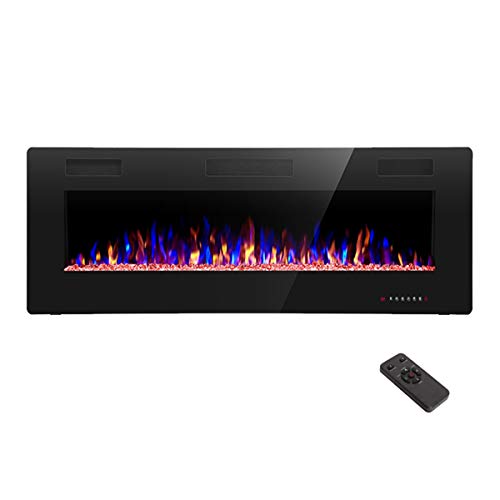
Use heat-resistant paint for a surround refresh, but replace the unit when its housing, controls or heat function are the real problem. Product 1 is a slim recessed or wall-mounted alternative with adjustable heat and built-in overheat prot
Replacement, Not Repaint
R.W.FLAME 50-Inch Recessed Fireplace
Product 1 suits a clean replacement when the old fireplace has damaged trim, tired controls or a finish that shouldn’t be painted. Its recessed or wall-mounted design, selectable 750W and 1500W heat modes, ETL approval and auto-heat-kill safety give you a fresh installation without putting paint near the working parts.
How to Paint an Electric Fireplace Safely and Effectively
To paint an electric fireplace surround, clean and lightly sand the cool exterior, mask every opening, and use a primer and paint rated for the surface and heat it may see. The best paint for an electric fireplace mantel is a compatible heat-resistant coating with a finish you can live with; glossy paint shows every fingerprint, because apparently mantels have a busy social life.
1
Unplug and inspect
Unplug the fireplace and let it cool completely. Remove loose trim only if the manual allows it, and check for cracked plastic, peeling laminate or heat damage. Painting won’t repair a surface that is already failing.
2
Clean the surround
Wipe away dust, soot-like residue and grease with a mild cleaner suited to the material. Keep liquid out of the controls, vents and seams, then let the surface dry fully. A clean surface gives primer something solid to grip.
3
Sand the finish
Lightly sand glossy paint, sealed wood or smooth laminate until the shine is dulled. Use enough pressure to improve adhesion, not enough to cut through a veneer or damage molded plastic. Vacuum the dust and wipe again with a clean, barely damp cloth.
4
Mask the working parts
Cover the glass, flame display, heater outlet, air intake, switches, buttons and control panel with painter’s tape. Press the tape edges down firmly, and use paper or plastic to protect the surrounding wall and floor. Never rely on paint to stop at a vent opening.
5
Prime the surface
Choose a primer made for the actual substrate—wood, metal, plastic or laminate—and confirm that its label allows the topcoat you selected. Apply a thin coat only to the exterior surround or mantel, then let it dry for the full label time.
6
Apply the paint
Use heat-resistant paint rated for the temperatures the exterior can reach, following the fireplace and paint instructions. Apply two or more thin, even coats instead of one heavy coat; heavy paint can sag, stay soft and hide detail. Allow each coat to dry before adding the next.
7
Protect the finish
Add a protective top coat only when the primer, paint and clear coat are listed as compatible. Choose a heat-tolerant product if the mantel warms during operation, and let the complete finish cure before reconnecting power or running the heater.
Painting tips that prevent rework
Keep the room ventilated while the coating dries, but don’t aim a fan at wet paint if it will blow dust onto the finish. Remove painter’s tape while the last coat is still slightly workable, pulling it back slowly. If the fireplace exterior becomes unusually hot during a test run, switch it off and check the manual rather than adding another layer of paint.
What to Do If Painting Is Not an Option
You can refresh an electric fireplace look without painting by changing removable trim, using a heat-safe decal or film, or cleaning the existing finish thoroughly. These options suit surrounds that are cracked, laminated, textured, rented, or too close to a warm vent for a coating to be a sensible gamble.
Consider using decals for a fresh look without painting.
Use Heat-Safe Decals or Films
Electric fireplace decals and films can change the color or pattern of a smooth surround without sanding and priming. Buy a product whose temperature rating covers the actual installation area, keep it away from the heater outlet, intake and controls, and apply it to a clean, dry surface. Avoid ordinary adhesive vinyl near warm air; it can lift, wrinkle or leave glue behind.
Change the Mantel
Electric fireplace mantel covers can hide a dated finish when they are made for the mantel’s dimensions and weight. A new trim kit, slip-on cover or properly secured shelf may give you a cleaner change than paint. Keep the manufacturer’s clearances, don’t cover ventilation openings, and don’t add a heavy piece that can tip or pull on the fireplace surround.
Clean Before You Replace
Dust the air intake and outlet with the unit unplugged, wipe the glass with a suitable cleaner, and clean fingerprints from the mantel with a material-safe product. Check the manual before removing any grille or trim. Sometimes the old finish is fine; it was simply wearing a winter’s worth of fingerprints.
Check the material first
A decal, film or cover won’t solve swelling wood, cracked plastic or heat damage. Repair or replace the damaged part, and stop using the heater if damage affects the vent, wiring, controls or heater housing.
Checklist Before Painting Your Electric Fireplace
An electric fireplace painting safety checklist starts with a cold, disconnected unit and ends with every opening still clear. Check these items before you open the paint can:
Before You Paint
Unplug the fireplace from the wall outlet, then let the cabinet, glass and surrounding trim cool completely.
Confirm the surface is an exterior surround or mantel, not the glass, heating element, controls or internal components.
Mask the glass, heater outlet, air intake, control panel, switches and any other vent or opening securely.
Read the paint label and use only paint rated for the heat the painted surface may encounter; use the matching primer if required.
Clean and lightly sand the surface as directed, and make sure it’s dry, sound and free of loose finish.
Open windows or doors and provide proper room ventilation while applying paint and while it dries.
Keep paint, masking materials and tools away from the heater’s interior; don’t reconnect or operate the fireplace until the coating is fully dry and the manufacturer’s instructions allow it.
Questions People Ask
Can I paint the glass front of my electric fireplace?
No, don’t paint the glass front. Paint can cloud the viewing area, interfere with the flame display, and make cleaning or heat-related damage harder to spot. Replace damaged glass through the manufacturer or a qualified service provider instead of coating it.
What kind of paint is safe for electric fireplace mantels?
Choose a paint labeled for the mantel’s surface, such as wood, MDF, metal or masonry, and follow its temperature rating. A mantel that stays near room temperature may not need high-heat paint, while trim close to the heater needs a product rated for the heat it actually reaches. Keep the paint away from vents, controls and the heater assembly.
How long should I wait before using the fireplace after painting?
Wait until the paint is fully cured according to the product label, not merely dry to the touch. Keep the fireplace unplugged during curing and provide the ventilation the paint label requires. If the label gives no clear cure time, waiting at least overnight and checking for lingering solvent odor is a cautious minimum; a strong odor means wait longer.
Is it necessary to unplug the electric fireplace before painting?
Yes, unplug the fireplace before cleaning, sanding, masking or painting. Unplugging removes power while you work around controls and openings, and it prevents the heater from starting while paint or masking materials are nearby. Let the unit cool completely first.
Can painting the fireplace affect its warranty or safety features?
Painting the exterior usually won’t change the heater’s safety features, but covering a vent, warning label, control or sensor can create a problem. The manufacturer may also exclude damage caused by coatings, disassembly or blocked airflow from warranty coverage. Check the manual before painting and photograph the original labels and controls.
How do I remove paint if I accidentally paint a vent or control panel?
Turn the unit off, unplug it and let the paint dry only if removing it wet would spread paint into the opening. Use the coating manufacturer’s removal advice on the exterior surface, but don’t flood vents with solvent, poke tools into the grille or scrape across buttons and displays. If paint entered the heater, control panel or airflow path, stop using the fireplace and have it inspected.
I am a mechanical engineer and love doing research on different home and outdoor heating options. When I am not working, I love spending time with my family and friends. I also enjoy blogging about my findings and helping others to find the best heating options for their needs.