Quartz Radiant Heating Costs and Efficiency: What You Need to Know
On this page 7 sections
Quartz radiant heating often gets confused with general electric or convection heating, but it works differently. Instead of heating all the air in a room, quartz radiant heaters send infrared energy that warms surfaces and bodies directly.
Knowing how quartz radiant heating actually works helps you pick the right model, understand running costs, and avoid common mistakes that waste energy or reduce comfort.
What Quartz Radiant Heating Means and How It Works
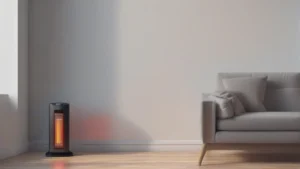
Quartz radiant heating uses quartz tubes to emit infrared energy that warms objects and people directly, not the air around them. This method heats by radiation, so the heat feels immediate when you face the source, and it doesn’t rely on blowing warm air around a room.
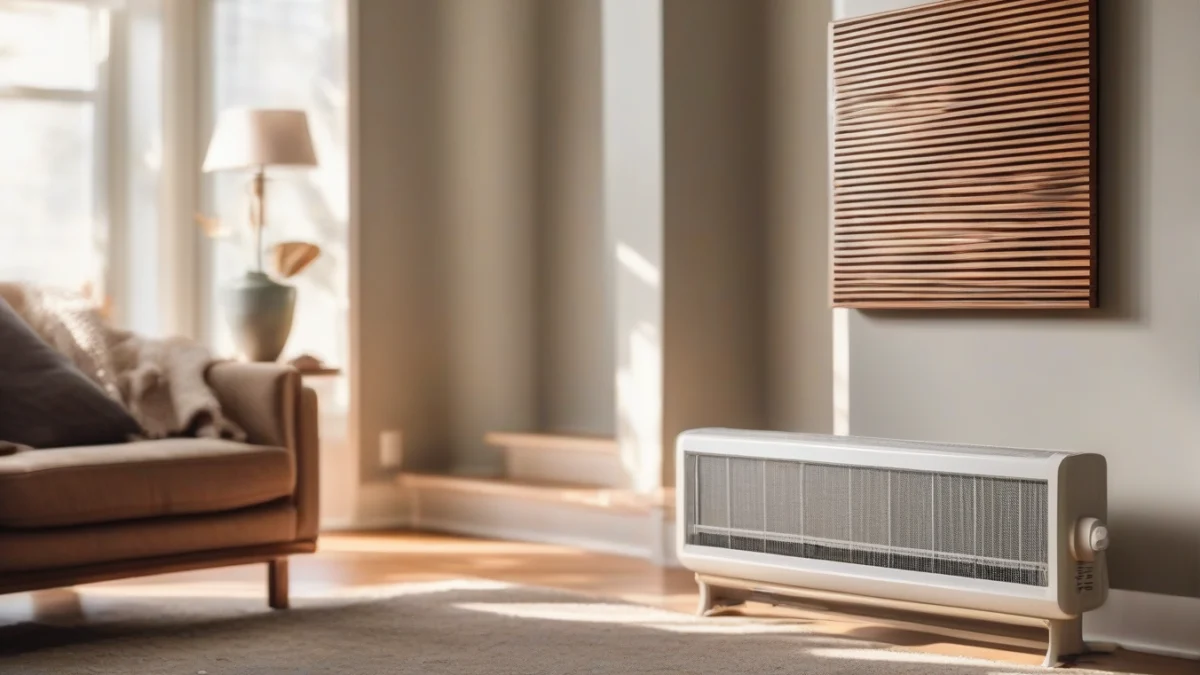
Inside the heater, resistance wire gets hot when electricity passes through it. The surrounding quartz tube tolerates that high temperature and allows the element to emit radiant energy; the infrared waves travel outward until they meet a person, floor, furniture or another solid surface.
Those surfaces absorb the energy and warm up, much like sunlight warming your coat on a cold day. The heater doesn’t need to wait for a large volume of room air to reach the thermostat temperature, so the warmth can feel fast when you’re sitting in the tube’s direct path.
Radiant Heat Versus Convection Heat

A convection heater warms air, and that air circulates through the room as it rises and cools. An oil-filled radiator is still an electric resistance heater, but its hot metal surface transfers most of its heat to moving room air; quartz tubes send a larger share of their output outward as radiation.
That difference affects distribution. Infrared warmth is strongest where the heater can see you, while air temperature may remain lower elsewhere until other heat-transfer processes catch up. A chair across the room or behind a solid object won’t receive the same direct effect.
Quartz tubes produce radiant heat because the hot element emits infrared wavelengths as part of its thermal radiation. The quartz isn’t fuel and it isn’t creating a special kind of electricity; it supports a hot electric element and helps transmit its heat through the front of the heater.
A quartz heater therefore tends to feel quick and focused, while convection heat spreads more gradually through the air. For a fuller look at range, placement and the tradeoff between instant warmth and limited coverage, see quartz space heaters explained.
Running Costs and Energy Use Compared
Quartz radiant heaters use electricity to warm a quartz tube, which emits infrared radiation. This radiation heats objects and people directly, not the air, making the warmth feel immediate and cozy.
Quartz radiant heating typically draws around 1,500 watts, similar to most plug-in electric space heaters. At 1,500 W for 8 hours a day, that’s 12 kWh daily. With electricity costing about 17 cents per kWh, you’re looking at roughly $2.04 each night for running one heater.
A 1,500 W heater running for 8 hours uses 12 kWh before the utility rate is applied. At a rate of $0.17 per kWh, the cost calculation is 12 × $0.17; your bill will follow your own rate, taxes and usage charges.
| Heater | Watts | Per hour | Per day (8 h) | Per month (30 days) |
|---|---|---|---|---|
| Quartz heater on high | 1,500 W | 26¢ | $2.04 | $61.20 |
| Quartz heater on low | 750 W | 13¢ | $1.02 | $30.60 |
| Oil-filled radiator at 1,500 W | 1,500 W | 26¢ | $2.04 | $61.20 |
A thermostat can lower either heater’s real consumption by switching the element off after the room reaches its set temperature. A quartz heater aimed at your chair may let you lower the room thermostat or heat only an occupied area; an oil-filled radiator may keep more of the room air warm but cycle for longer.
Power setting and usage pattern matter more than the label on the heater. Running 750 W for 8 hours uses the same energy as running 1,500 W for 4 hours, while a drafty room, an open door or a high thermostat setting can keep either heater running longer.
Where the Heat Actually Goes in Quartz Radiant Heating
Quartz radiant heaters send infrared rays straight to surfaces and skin, which absorb the heat. Unlike convection heaters that warm air first, quartz heaters make you feel warm immediately because they target what you’re near.
That direct path makes quartz radiant heat feel fast when you’re sitting in front of it. A person across the room or behind a chair may feel much less warmth, because the energy spreads with distance and can be blocked by furniture. Turning the heater toward your chair usually changes comfort more than turning up the thermostat.
An electric radiator heater warms a metal body and then releases heat mainly by natural convection, so heated air circulates around the room. An infrared quartz radiant floor works differently again: heating elements beneath the floor spread warmth across a broad surface, while a portable quartz heater creates a smaller, directional warm zone. A floor system needs installation; a quartz tower needs a suitable outlet and clear placement.
Where Quartz Heat Works Best
Small bedrooms, home offices, workshops and seating areas are good matches when you want warmth at one occupied spot. Large open rooms, rooms with high ceilings and spaces where several people move around may feel uneven unless the heater is repositioned or another heat source maintains the room air.
Reflective surfaces can redirect some infrared energy, while dark, solid objects tend to absorb it and warm up. A wall, desk or chair in the heater’s path may become part of the warm zone; a bookcase or partition can leave a cold area behind it. Keep the front of the heater aimed at the occupied area rather than an empty wall.
Spot heating can save comfort without warming every cubic foot of a room, especially while you work at a desk or sit in one chair. The tradeoff is limited range: quartz heat feels strongest along its forward line of sight and fades as the angle becomes more oblique.
For a broader explanation of the tradeoff between quick warmth and limited range, see quartz infrared heaters.
 Heating System Upgrade PlannerChoose between a heat pump, a furnace, a boiler or a hybrid with your own numbers, and hire the right installer.Every system compared side by side25 questions for contractors, red flagsRunning-cost, payback and quote calculator (Excel)
Safety Features and What To Watch For
Quartz radiant heaters usually include tip-over switches and overheat protection to reduce fire risk. Still, keep at least 3 feet clear around the heater, never use extension cords, and never leave it unattended while running unless the manual says it’s safe.

Flame-retardant housing can slow ignition and resist heat, but it doesn’t make a heater safe beside a sofa or under a desk. Don’t cover the unit, dry clothing on it or leave it running while you sleep or leave home unless the manufacturer specifically says the model is designed for that use.
Choosing Quartz Radiant Heating for Your Rooms
Quartz radiant heaters work best in small to medium rooms where direct, fast heat is needed. They are ideal for spot heating—like a home office or a reading nook—but less effective for heating large or drafty spaces evenly.
Room size and insulation decide how far that warmth reaches. A small, closed bedroom with sound insulation may feel comfortable with a quartz heater aimed at the bed or desk, while a drafty living room, open floor plan or high-ceilinged space will leave colder areas outside the heater’s direct view. Measure the room, check for drafts and treat a portable quartz unit as supplemental heat unless its listed output and the room’s heat loss support more.
Choose Spot Heat For One Cold Area
Spot heating makes the most sense when one person occupies one area for a limited time: a desk, reading chair, bathroom during a short morning routine or workshop bench. Point the heater toward the occupied zone, then turn it down or off when that zone is empty. Whole-room heating needs better air mixing and usually benefits from the home’s main furnace, heat pump or radiator system.
Match The Heater To The Room
| Room or situation | Quartz radiant fit |
|---|---|
| Desk, chair or workbench | Good for direct warmth while you’re in one place |
| Small bedroom | Useful as supplemental heat with the door closed |
| Drafty garage or open living area | Limited unless you stay close to the heater |
| New floor installation | Consider radiant floor heating for built-in, even coverage |
Portable quartz heaters work for renters, occasional cold spots and rooms that serve different purposes. Fixed quartz panels or ceiling-mounted units make more sense when the same area needs regular spot warmth and you can follow the installation clearances and electrical requirements. Pair either type with the existing heating source: let the central system protect the room’s baseline temperature, then use quartz heat where you feel the chill.
Quartz Radiant Heating Explained
Quartz radiant heating uses a quartz tube to produce infrared light that heats objects directly. This direct heat transfer means the warmth is felt quickly, without waiting for air temperature to rise. The quartz element heats up fast and cools down quickly when off, giving responsive control.
Quartz tubes in the heater glow when electricity passes through, emitting infrared rays. These rays travel in straight lines and warm whatever they hit without heating the surrounding air first. That’s why quartz radiant heaters feel warm quickly and are often used in spaces where you want immediate heat without waiting for the entire room to warm up.
Quartz radiant heating differs from convection heating, which warms air that then circulates through the room. It also differs from oil-filled radiator heaters that warm by convection and radiation but rely on heating the air around them more slowly.