How Do Infrared Heaters Work and What They Cost to Run
On this page 7 sections
- How Infrared Heaters Operate
- Differences Between Shortwave and Longwave Infrared Heaters
- Placement and Wattage Guidelines for Infrared Heaters
- Energy Savings of Infrared Versus Convection Heaters
- Health Considerations of Infrared Heating
- Maintaining Infrared Heaters for Efficient Operation
- Frequently Asked Questions
Choosing the right heating method affects your comfort and energy bills. Infrared heaters stand out by delivering heat as radiant energy, similar to the sun’s warmth, rather than relying on air circulation.
Getting this wrong can cost you money through wasted energy and leave rooms feeling drafty or unevenly heated. Infrared heaters offer a direct heating approach that changes how you experience warmth indoors.
How Infrared Heaters Operate

Infrared heaters convert electricity into radiant heat that warms objects and people directly instead of heating the air in between. This radiant heat transfers warmth through electromagnetic waves in the infrared spectrum, similar to how the sun warms your skin without heating the air around you.

Infrared radiation covers a range of wavelengths from about 750 nanometers (nm) to 1 millimeter (mm). It’s divided into shortwave, medium-wave, and far infrared. Shortwave infrared has higher energy and shorter wavelengths, while far infrared has longer wavelengths with lower energy. Most residential infrared heaters emit either medium or far infrared waves.
When the heater’s electrical element heats up, it emits infrared rays that travel through the air without warming it much. These rays strike objects in the room—walls, furniture, people—and transfer heat directly. Those objects then slowly release heat to the surrounding air, warming it indirectly. This process is why infrared heaters quickly create a comfortable thermal environment without the lag of heating air first.
Thermal mass plays a key role here. Materials like wood, drywall, and stone absorb infrared radiation, store that heat, and re-radiate it back into the room even after the heater cycles off. This stored warmth extends comfort and lowers energy use because the air stays warmer longer without running the heater constantly.

Differences Between Shortwave and Longwave Infrared Heaters
Shortwave and longwave infrared heaters differ mainly in the wavelength of radiation they emit, which affects how quickly and intensely they warm objects and people. Shortwave infrared emits higher-energy waves that penetrate the skin more deeply and heat quickly but can feel intense or even harsh at close range.
Longwave infrared emits lower-energy, longer wavelengths that produce a gentler, more uniform warmth. This type of radiant heat feels like the natural warmth you get from sunlight on a cloudy day—comfortable and less likely to cause overheating of exposed surfaces.
The heating elements used also vary. Shortwave infrared heaters often use tungsten filaments because tungsten withstands high temperatures needed for shortwave emission. Carbon and FeCrAl (iron-chromium-aluminum) alloy elements are more common in longwave infrared heaters since they operate efficiently at lower temperatures and provide steady, even heat.
Infrared panel heaters with ceramic surfaces are popular for longwave applications. They emit heat uniformly across their surface and achieve about 90% radiation absorption, making them excellent for whole-room comfort without hot spots.
Infrared tube heaters work by running electricity through these filament materials inside a tube, which then radiates the heat outward. The tube design helps distribute heat more evenly and protects the filament from damage, extending the heater’s lifespan.
In practical use, shortwave infrared heaters are suitable where rapid, direct heat is needed—like outdoor patios or spot heating in a workshop. Longwave infrared heaters excel indoors, providing steady, comfortable warmth over larger areas without the sensation of harsh heat.
Understanding these differences helps you pick the right infrared heater type for your comfort needs and room conditions.
Placement and Wattage Guidelines for Infrared Heaters
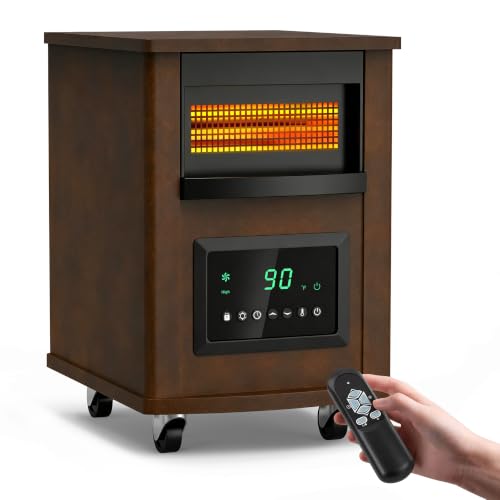
Infrared heaters for home use deliver warmth by directing radiant energy to objects and people, warming them directly without first heating the air. This means they start providing noticeable heat as soon as you turn them on, typically within minutes, faster than many convection heaters.
A portable infrared heater usually works without a fan by relying solely on radiant heat. It emits infrared radiation that travels in straight lines until it hits a surface, which absorbs and re-radiates warmth. This silent operation is why some models feel instantly warm despite no airflow.
Calculating the wattage you need depends largely on room size and insulation quality. A general rule is 10 watts per square foot for well-insulated spaces. Poorly insulated rooms might require 15 watts or more per square foot. For example, a 200-square-foot well-insulated bedroom would need about 2,000 watts for comfortable heating.
Position the heater so it faces the main seating or activity area to warm occupants efficiently. Infrared heaters also warm the room’s thermal mass—walls, floors, and furniture—which holds heat and releases it slowly. Avoid placing the heater behind furniture or in corners where objects block the radiant path; shadows reduce effectiveness.
Keep at least 3 feet clear around the heater to prevent objects from blocking the infrared rays. Mounting wall panels about 6 to 7 feet high directs heat downward to people and surfaces, mimicking natural sunlight angles.
Typical wattage recommendations vary by room type: bedrooms usually need 10 to 15 watts per square foot, living rooms 10 to 20 watts, and bathrooms may require higher wattage due to moisture and heat loss. Using a heater with adjustable power modes can help match heating to real-time needs and save energy.
 Winter Heating Bill CutterSee what every heater in your home really costs, heat the rooms you use, and cut the waste in 30 days.Cost-per-hour tables for every heaterThermostat schedule and draft-proofing planRunning-cost and bill calculator (Excel)
Energy Savings of Infrared Versus Convection Heaters
Infrared heaters can reduce electricity use by up to 25% compared to convection heaters because they heat objects and people directly rather than warming the air. This direct radiant heat means you can keep the thermostat lower while feeling equally comfortable.

By lowering the air temperature requirement, infrared heating cuts wasted energy spent on heating walls, ceilings, and air that often escapes through drafts or vents. The radiant heat warms your skin and clothes immediately, so you feel warm at lower room temperatures.
A typical 1,500-watt infrared heater running for 8 hours uses 12 kWh. At 17 cents per kWh, that costs about $2.04. A convection heater of the same wattage and runtime uses the same electricity, but infrared’s targeted warmth means you might run it fewer hours or at lower power.
Infrared heaters preserve indoor humidity since they don’t rely on air circulation to transfer heat. This keeps the air feeling denser and more comfortable, reducing dryness and the need for additional humidification often required with convection heating.
While both heater types use similar electricity amounts at full power, infrared heaters’ efficiency and comfort can lower overall consumption. In practice, you might save energy by running an infrared heater intermittently or at lower settings, especially in rooms where you spend most time.
Infrared heating works by emitting electromagnetic radiation in the infrared spectrum that objects absorb and convert to sensible heat. This contrasts with convection heaters that rely on warm air rising and circulating, which takes longer and loses heat through drafts.
Do infrared heaters work? Yes. Their mechanism taps into the fact that over 60% of human thermal comfort comes from radiant heat gain or loss. By providing that warmth directly, infrared heaters deliver efficient, pleasant heating that can reduce your electric bill and improve comfort.
For a deeper look at energy efficiency and running costs of various space heaters, see our guide on 4 energy-efficient space heaters that cut bills without losing heat.
Health Considerations of Infrared Heating
Infrared heating is safe and natural for humans because it uses wavelengths similar to those our bodies emit and absorb every day. It delivers warmth by radiant heat, which feels like the sun on your skin rather than hot air blowing around.
If your infrared heater isn’t working, check for power issues or blockages in the panel that might prevent radiant heat from reaching you. Infrared heating doesn’t work well if objects or people are out of its direct line of sight because it heats by radiation, not by heating air that moves around.
Unlike convection heaters, infrared heating doesn’t dry out the air or reduce indoor humidity. Instead, it works with the moisture in the air to create a heat that feels denser and lasts longer. There are no harmful emissions or ozone generated, making infrared heaters safe for indoor air quality.
Thermal comfort improves because more than 60% of how warm you feel depends on radiant heat gain or loss, not just air temperature. By warming objects and surfaces, infrared heat creates a balanced environment that reduces drafts and cold spots, which can help reduce seasonal discomfort and improve wellbeing.
Maintaining Infrared Heaters for Efficient Operation
Infrared heaters work by converting electricity into radiant heat via heating elements inside the unit, typically made of tungsten wire or ceramic. Maintaining clear, dust-free panels and elements ensures efficient radiation and consistent heat output.
Cleaning dust off the heater’s surface and inside panel regularly prevents buildup that can block infrared radiation. Use a soft brush or vacuum with a brush attachment to avoid damaging delicate components.
Electrical connections and controls should be inspected periodically for loose wires or signs of wear. Faulty wiring can reduce performance or pose a fire risk, so tighten connections and replace worn parts promptly.
Common infrared heating elements last between 5,000 and 10,000 hours depending on use and quality. Protect your heater from moisture and impacts since wet conditions or physical damage can shorten the element’s lifespan or cause malfunctions.