



Say your dog spends chilly nights in a 12-by-14-foot uninsulated garage. You want a heater that warms them safely without drying the air or raising your electric bill. Infrared pet heaters deliver direct, gentle warmth that soothes muscles and joints while running quietly and efficiently.
Infrared heating works by warming objects and animals directly, not just the air. This means your pet feels cozy even if the room is cooler, cutting energy waste and improving comfort in ways traditional heaters can’t match.
Infrared Heater Comparison for Pets
| Model | Best for | Heat Output (Watts) | Auto Shut-Off | Coverage Area (sq ft) | Noise Level (dB) | Price |
|---|---|---|---|---|---|---|
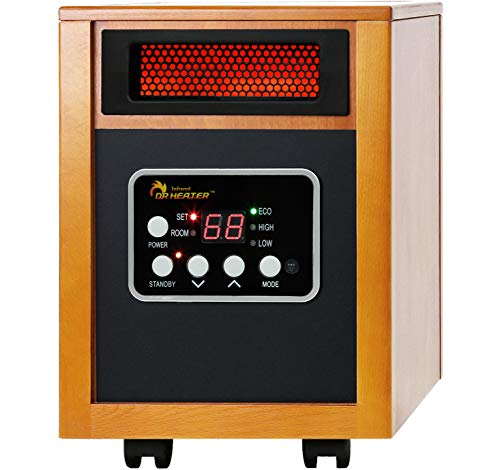
| DR. INFRARED HEATER DR-968 Portable Space Heater | Top Pick | 1500 | 12-Hour timer | Large rooms | 39 | Check price on Amazon |
| WEWARM 1500W Infrared Space Heater for Indoor Use | Quiet & Safe | 1500 | 12-Hour timer | Up to 300 | 34 | Check price on Amazon |
| DR. INFRARED HEATER 1500W Portable Indoor/Outdoor Heater | Versatile Mounting | 1500 | 12-Hour timer | — | — | Check price on Amazon |
Best Infrared Heaters for Pets
DR. INFRARED HEATER DR-968 Portable Space Heater
WEWARM 1500W Infrared Space Heater for Indoor Use
DR. INFRARED HEATER 1500W Portable Indoor/Outdoor Heater
What Sets Infrared Heaters Apart for Pets
Infrared heating warms pets and objects directly rather than just heating the surrounding air. This radiant heat mimics natural sunlight’s warmth without UV rays, making it safe and comfortable for animals.
Far infrared (FIR) waves penetrate beneath the skin, promoting circulation and muscle relaxation. That’s why infrared heating is used in veterinary clinics and pet therapy to help animals recover from stiffness or soreness.
Unlike convection heaters that circulate warm air—and dust and allergens—infrared heaters reduce airborne particles. This creates a cleaner environment, especially beneficial for pets sensitive to dust or prone to respiratory issues.
Infrared heaters operate silently, which helps keep indoor spaces calm. Pets startled by noisy heaters can relax instead, improving their overall comfort.
Energy efficiency is another key advantage. Infrared heating produces direct warmth with less heat loss, so it costs less to run compared to traditional forced-air or convection heaters.
Modern pet infrared heaters avoid the harsh glare of halogen lamps, removing a source of stress or eye damage. Instead, they emit soothing, invisible infrared radiation that quietly and gently warms your pet’s space.
Choosing the Right Heater for Your Pet’s Size and Space
Infrared heating for pets requires matching the heater’s wattage and coverage area to the size of the room and your pet’s activity level. A small cat in a 10×10 ft room needs far less power than an active dog in a barn.
Thermostatic controls and timers are essential features. They keep temperatures steady and prevent overheating, which protects your pet and avoids wasted energy. Look for heaters with precise thermostats designed for pet comfort.
Your choice also depends on indoor versus outdoor use. Outdoor pet heaters must be weatherproof and securely mounted to withstand wind and moisture. Indoor units can be freestanding or wall-mounted depending on available space.
Safety features like tip-over switches and overheat protection are critical around pets. Animals can knock over portable heaters or get too close, so these built-in safeguards prevent accidents and potential burns.
Infrared heating systems offer flexibility: wall-mounted panels work well in kennels, while portable units suit varied setups. For outdoor pets, look for units rated specifically for exterior use to handle the elements without risk.
Sizing your infrared heater correctly means calculating the room’s square footage and factoring in insulation quality. A standard rule is about 10 watts per square foot for moderate insulation, adjusting up if your pet’s area is drafty or large.
Temperature control matters most for pets sensitive to heat or cold. A reliable thermostat paired with timer settings lets you create a consistent, safe climate tailored to your pet’s needs, avoiding dangerous temperature swings.
Safe Use and Temperature Guidelines for Different Pets
The ideal temperature range for infrared heating that keeps pets comfortable and safe is between 104°F and 118°F (40°C to 48°C). This range matches most pets’ natural warmth needs without risking overheating.
Burns are the chief hazard with infrared pet heaters, especially if the heater’s surface temperature climbs too high or pets touch the heating element directly. Choosing heaters with low surface temperatures and built-in safety shut-offs reduces this risk.
Infrared heating pads designed for pets often include automatic timers and chew-resistant cords. These features prevent pets from staying on the heat too long and avoid electrical hazards from biting cords. Always pick pads with these safety measures.
Far infrared (FIR) waves penetrate deeper into tissues, promoting blood circulation and muscle relaxation. That makes FIR a valuable tool for pets with arthritis, recovering from surgery, or suffering muscle stiffness. It’s not just warmth; it’s therapeutic heat.
While most infrared heaters produce gentle, radiant warmth without bright light, older halogen-based models can harm pet eyes. Modern infrared heaters avoid this, allowing pets to rest undisturbed. Be sure your infrared device is designed for pet use and doesn’t emit harmful UV rays.
Installation and Maintenance Tips for Lasting Performance
Proper installation starts with mounting infrared heaters or panels at a height suited to your pet’s size and activity. For a dog that lies down, place the unit low enough to heat their resting area but out of reach to prevent burns.
Maintain at least a few inches of clearance around heaters to ensure airflow and eliminate fire risk. Avoid placing heaters close to combustible materials or in cramped corners where heat can build dangerously.
Regular cleaning is essential. Dust and pet hair on heating surfaces reduce efficiency and can cause overheating. Inspect power cords and connections frequently for damage, especially if pets have access to them.
For infrared heating pads, always remove the heating element before washing any covers or fabric parts. This preserves the pad’s functionality and prevents electrical damage.
Infrared heating systems are generally simple to install because they don’t require boilers or wet pipework. Whether wall-mounted panels or portable units, follow the manufacturer’s instructions and ensure secure, stable placement to avoid tipping or accidents.
Routine upkeep prolongs heater life and keeps your pet safe. A well-maintained infrared heater operates quietly and efficiently, providing consistent warmth without spikes or cold spots.
Infrared Heating’s Impact on Air Quality and Pet Health
Infrared heating improves air quality in pet spaces by reducing airborne dust and pet hair circulation compared to conventional convection heaters. Unlike fans that stir up allergens, infrared waves warm surfaces and animals directly, which means less particulate matter floats through the air.
A drier environment is another benefit. By lowering dampness, infrared heating inhibits mold and bacteria growth, common concerns in enclosed or poorly ventilated pet areas. This effect helps maintain healthier surroundings for sensitive respiratory systems.
Many pets react poorly to noise or sudden sounds. Infrared heaters operate silently, avoiding the stress that mechanical noises or fan motors can cause. This quiet warmth contributes to a calmer atmosphere, especially for anxious or noise-sensitive animals.
Some infrared heating pads include gemstone elements like jade or tourmaline, which may enhance therapeutic benefits. These minerals emit far infrared rays that penetrate tissues, improving circulation and aiding muscle relaxation and joint pain relief in pets recovering from surgery or arthritis.
Infrared therapy goes beyond simple warmth. Far infrared radiation penetrates deeply into tissues, promoting circulation and easing stiffness. This makes it a preferred choice in veterinary settings and pet care for its natural, safe, and effective heat delivery.
The absence of bright light distinguishes modern infrared pet heaters from older halogen lamps, avoiding eye strain or discomfort for animals. Plus, precise temperature controls prevent overheating, ensuring sustained, gentle warmth without risk.
These health and air quality advantages explain why infrared heating is widely used in kennels, catteries, and stables. It’s a practical upgrade that benefits pets’ well-being without adding noise or airborne irritants.
For pet owners keen on combining efficient heating with improved air quality and therapeutic effects, infrared systems offer a compelling choice worth considering.
If you want to explore how to pick and install the right heater for your pet’s exact needs, see our detailed guide on cozy and safe infrared space heaters for pets.
More Questions, Answered
What is the ideal temperature range for infrared heating for different types of pets?
Are there any risks of burns or overheating with infrared pet heaters?
How does far infrared heat differ from traditional heating in pet care?
Can infrared heating help with specific conditions like arthritis or post-surgery recovery in pets?

I am a mechanical engineer and love doing research on different home and outdoor heating options. When I am not working, I love spending time with my family and friends. I also enjoy blogging about my findings and helping others to find the best heating options for their needs.
Related guides

Infrared Space Heaters: Efficiency & Cost Savings Explained
Infrared space heaters warm people and objects directly, not the air. They can feel fast and efficient, but…

Infrared Sauna Therapy: Benefits, Safety & Expert Tips
Infrared sauna therapy uses infrared light to heat the body directly, promoting relaxation, detoxification, and potential health benefits…
Basement Heating Solved: Consistent Warmth with Portable Infrared
Warm your chilly basement instantly. This portable infrared heater delivers consistent, cozy heat with remote control convenience.
