

Say your basement office is 12 by 15 feet and the thermostat in the hall keeps calling for 68°F while your desk side feels cold. A quartz heater can make that one seat comfortable in minutes, but it won’t turn a leaky room into a warm room.
The odd “contact Austria” wording usually doesn’t change the physics. What matters is the heater type, the wattage, and how far you sit from it.
What Is A Quartz Heater
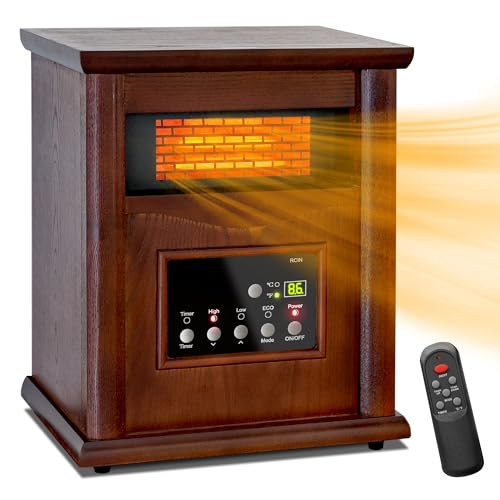
A quartz heater is an electric infrared heater with a quartz tube or quartz element that glows and sends radiant heat outward. An infrared quartz heater warms your skin, clothes and nearby surfaces more directly than it warms the room air, so its effect is strongest in front of the heater and fades with distance or an obstruction.
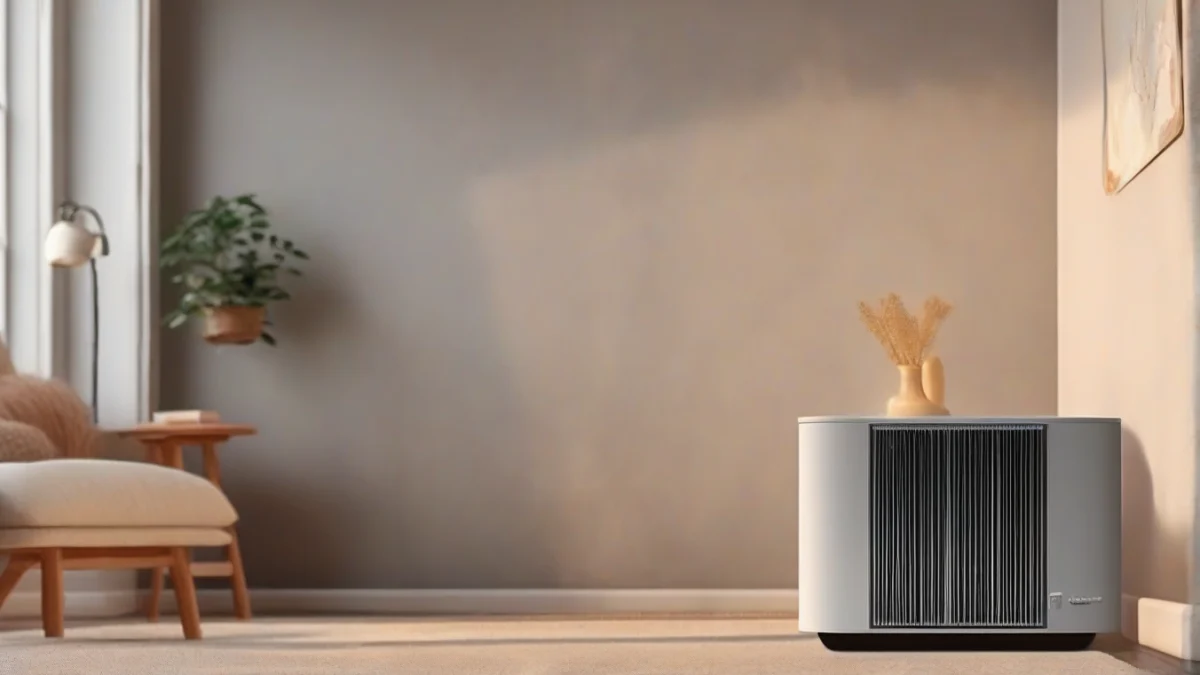
The word “quartz” describes the material around or supporting the heating element; it doesn’t mean the heater releases dust, crystals or anything else into the air. Electricity heats the element, the element glows, and its radiant energy travels across the space until it reaches a person or object.
| Term | What it means |
|---|---|
| Quartz heater | An electric heater using a quartz tube or element to produce radiant heat. |
| Infrared heater | A heater that transfers heat directly to people and surfaces instead of relying mainly on warmed air. |
| Quartz tube heater | A quartz-enclosed heating element, often visible as a glowing tube behind a guard. |
A person sitting in front of the heater may feel warm quickly while the far side of the room stays cool. Large rooms, open doorways and drafts make that difference more obvious because the heater has to warm much more air indirectly, and radiant heat can’t bend around furniture or pass through a wall.
For a closer look at the range and limits of this design, see quartz space heaters explained.
How Quartz Heaters Work In Practice
Quartz heaters work by heating an element until it emits infrared radiation, which transfers heat to your skin, clothes and nearby furniture instead of waiting for the whole room’s air to warm. That direct transfer is why a quartz tube heater can feel warm within seconds where its beam lands, even while the air around you remains cool.
The sensation is closer to standing in sunlight that comes through a window than sitting beside a fan moving warm air. A forced-air heater mixes heated air through the room, so warmth can reach you from different directions; a quartz heater gives you a stronger spot of warmth from one direction and less behind a chair, around a corner or outside its beam.
Radiant energy from the element travels to exposed surfaces, and those surfaces then give some heat back to the surrounding air. Fans distribute heat more evenly, while quartz spots heat faster where the radiation lands. The faster comfort can be useful at a desk or on a chilly sofa, but it doesn’t turn a large, drafty room into an evenly heated space.
That direct warmth explains why quartz heating can feel warmer than forced air at the same moment: your body receives radiation immediately instead of waiting for air circulation. It doesn’t mean the heater creates more heat per watt; the comfort arrives in a different way.
For the numbers behind radiant heat use, see quartz radiant heating costs and efficiency.

Are Quartz Heaters Any Good
Quartz heaters are good for short, seated heating sessions when you want quick warmth without heating the whole house. They suit a desk, reading chair, workshop bench or small occupied room; they become a poor bargain when you expect one heater to warm a whole basement, garage or open-plan area all evening.
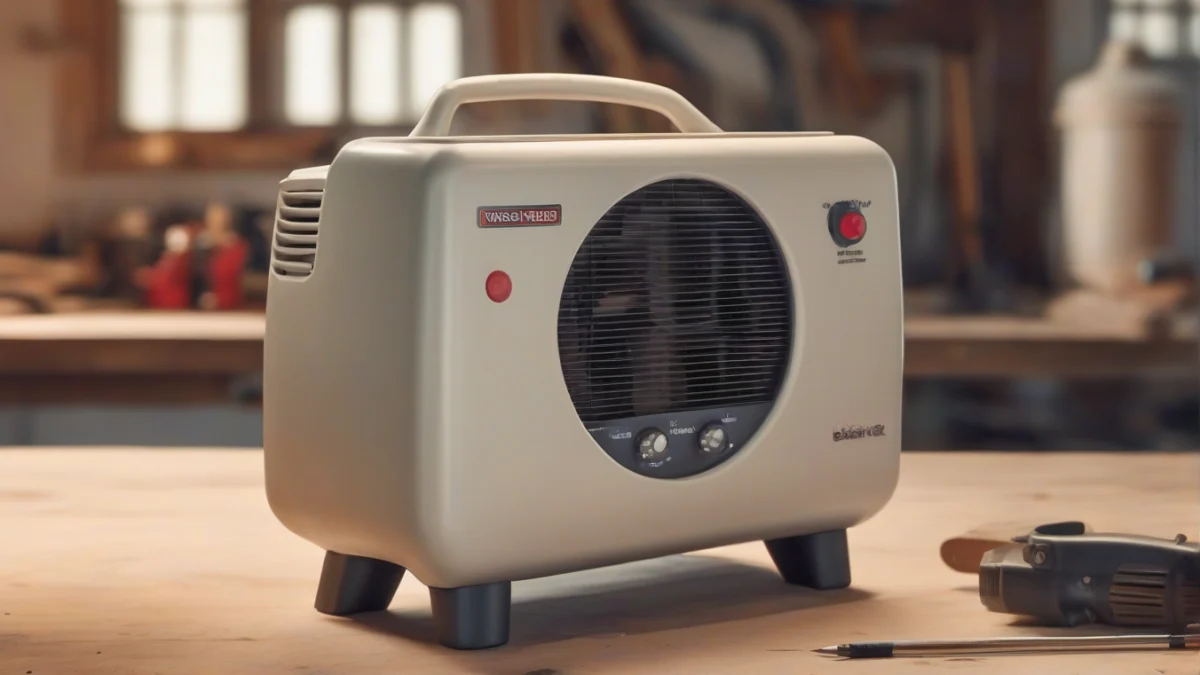
For most people, the answer to “are quartz heaters any good for you?” depends on the heating pattern. Quartz gives you fast heat, simple controls, no fuel storage and no oil-filled radiator warm-up delay. You feel the radiant heat quickly because the element sends energy toward nearby people and objects.
Quartz heat is cost efficient when it lets you heat one person instead of the entire home, but the quartz element doesn’t create free heat. A 1,500 W heater uses 1.5 kWh per hour at full power; at an assumed 17 cents per kWh, four hours costs about 68 cents. Lower settings reduce consumption, while a thermostat may cycle the element off after the nearby area warms.
| Heater | Watts | Per hour | Per day (4 h) | Per month (30 days) |
|---|---|---|---|---|
| 1,500 W quartz heater | 1,500 W | 26¢ | $1.02 | $30.60 |
Quartz Heaters Versus Oil Radiator Heat
Quartz heaters versus infrared heaters is mostly a wording question: quartz heaters are infrared heaters, and both differ from oil-filled radiators mainly in how the heat reaches you. A quartz element sends radiant heat straight toward your skin and nearby objects, so your chair can feel warmer within moments. An oil-filled radiator heats its metal fins, then the surrounding air, more gently.
The electricity use is nearly the same at the plug for heaters with the same wattage. A 1,500 W quartz heater and a 1,500 W oil radiator each draw about 1,500 W when actively heating; electric resistance heaters turn almost all of that electricity into heat. The comfort difference comes from distribution, cycling and where you are sitting.
| Heater | Best use | Heat style | What it feels like |
|---|---|---|---|
| Quartz or infrared | One chair, desk or short session | Direct radiant heat | Fast warmth on the side facing the heater |
| Oil-filled radiator | A room used for hours | Gentle air heating from warm metal fins | Slower, steadier warmth with less directional heat |
| Fan-forced electric heater | Quickly changing room temperature | Heated air moved by a fan | Fast room response, with airflow and fan noise |
That answers the common question about a radiant infrared quartz heater being more economical than an oil radiator: it usually isn’t cheaper per watt-hour. Quartz can be more economical for you if you heat one occupied spot instead of running a radiator across the whole room. An oil-filled radiator can be the better choice when you need steady room comfort for several hours.
Oil radiator heaters versus quartz heater electricity use follows the same rule. A heater running at 1,500 W for 4 hours uses 6 kWh; at 17 cents per kWh, that costs about $1.02. Run either heater for that same time at full power and the arithmetic is essentially identical.
Choose a quartz heater for a seated desk, reading chair or spot where direct warmth matters more than an even room temperature. Choose an oil radiator for a bedroom or office you want to warm quietly over a longer stretch; its fins keep giving off heat after the thermostat cycles the element off. For a fuller explanation of that design, see how oil filled radiator heaters work.
Use Quartz Heat Safely In The Right Room
Quartz heaters are safe when used as listed, but the glowing or heated face can burn skin and scorch fabric if you sit too close. An infrared wave does not make the heater harmless; direct radiant exposure can heat your skin quickly, especially at close range.
Use a wall outlet directly for a quartz electric heater—never an extension cord or power strip—and keep at least 3 feet of clearance around the heater. Keep curtains, bedding, paper, clothing and furniture out of that zone; a warm grille has a poor sense of boundaries.
Bedrooms, offices and sitting areas generally suit quartz heat because you can keep the heater stable and aim it toward an occupied spot. Damp utility rooms are a poor fit unless the model is specifically listed for that environment, and any room where a child or pet can reach the front grille deserves a different heating plan.
Product 1 is a practical purchase check for indoor use because it lists tip-over and overheat shutoff, three heat settings, a child lock and a 12-hour timer; confirm the listing and manual before using any heater near sleeping occupants.
Choose The Right Heater For Your Room
Measure the room first, then decide if you need spot heat or background heat. A quartz heater tube is an infrared heating element: it suits a desk, chair or reading corner because it warms the person in front of it quickly. A quartz infrared ceramic heater follows the same basic idea, though the element and housing differ by model.
If your search was quartz heaters contact austria, check the product label and manual before ordering, including the electrical rating and plug type for your location. For all-evening warmth across a room, choose a radiant panel or oil-filled radiator instead; those choices spread heat more steadily and don’t depend on sitting in the beam.
For a buying shortlist, start with a quartz heater buying guide, then compare the control layout and safety features rather than judging by the glowing tube alone.
Frequently Asked Questions
What is a quartz heater?
How do quartz heaters work?
Are quartz heaters any good for a bedroom or office?
Is a quartz heater more economical than an oil radiator heater?
Can a quartz heater burn your skin?
What is the difference between a quartz heater and an infrared heater?

I am a mechanical engineer and love doing research on different home and outdoor heating options. When I am not working, I love spending time with my family and friends. I also enjoy blogging about my findings and helping others to find the best heating options for their needs.
Related guides

Why Infrared Light Feels Hotter Than Visible Light
Infrared radiation has longer wavelengths than visible light, allowing it to carry more energy, which makes it feel…
Is Sitting Too Close to a Heater Bad for Your Health?
Sitting in front of a heater can cause skin dryness and overheating, so it's best to maintain a…
Infrared Heater for Living Room: Warmth Without Dry Air
Stay cozy without the dryness. This infrared living room heater warms your space safely while keeping air moist…
