

Say your living room is 16 by 18 feet, and you want to add warmth without the hassle of firewood. A propane fireplace can deliver real flames and heat at the turn of a switch.
Before you buy, it pays to know how these fireplaces work, what they cost to run, and what makes them safe or risky in your space.
How a Propane Fireplace Works
A propane fireplace is a gas-burning appliance that turns propane into heat at a burner, then sends that heat into the room through radiation and warm air. Yes, a propane fireplace is also a heater; the visible flame is the combustion process, while ceramic logs shape the look and don’t burn.
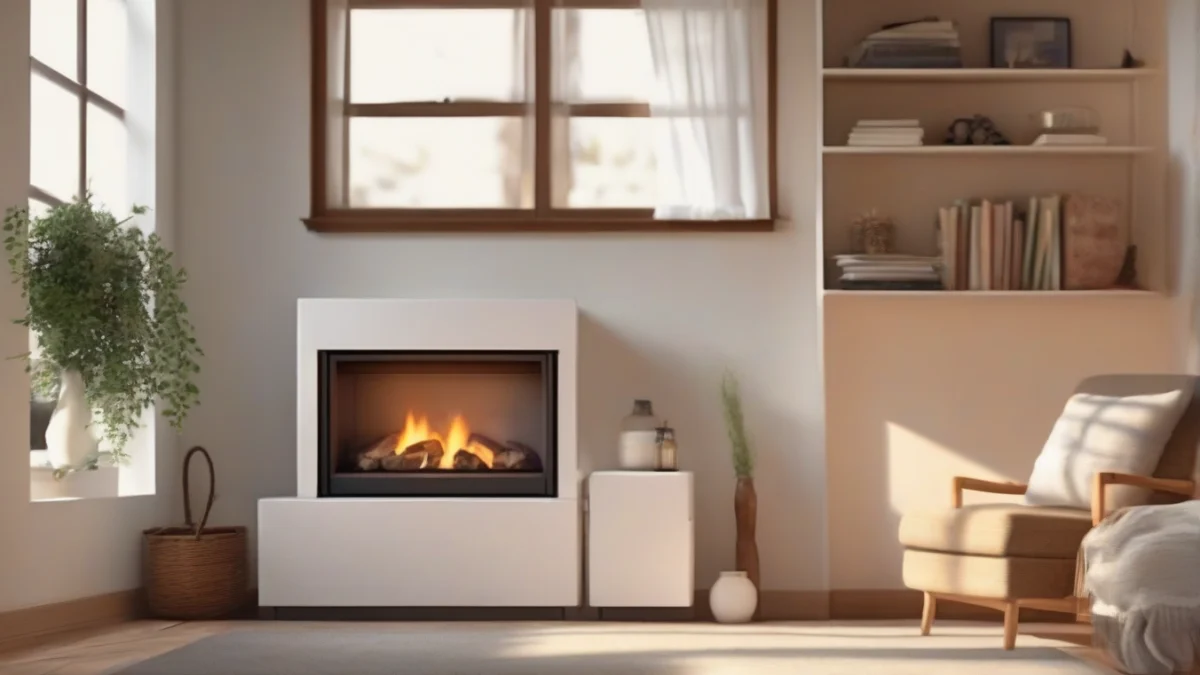
The spot where propane comes out is the burner’s small outlet ports, sometimes called burner ports. Propane travels from the supply line or tank through a shutoff valve, regulator and control valve; the burner orifice meters the gas into the burner, where it mixes with air before reaching those ports.
| Part | What it does |
|---|---|
| Burner and ports | Release the air-and-propane mixture and support the flame pattern. |
| Ignition | Lights the gas, either with a standing pilot, electronic spark or another manufacturer-approved system. |
| Logs or ember material | Spread and reflect the flame for a fire-like appearance; they aren’t fuel. |
| Controls | Adjust flame or heat output and may include a thermostat, timer or remote. |
| Firebox and heat exchanger | Contain the flame and transfer heat while directing exhaust through the correct path. |
Here’s the basic sequence behind how propane fireplaces work:
Vented and vent-free fireplaces handle the combustion gases differently. A vented model sends exhaust outside through a chimney, flue or direct-vent pipe, so its firebox and installation must match the listed venting system. A vent-free, also called ventless, model is designed to release its heat into the room without a flue; its burner is engineered to burn the fuel very cleanly, and many propane models include an oxygen-depletion safety sensor.
Controls decide how much propane reaches the burner, which changes flame height and heat output. A thermostat may cycle the burner to hold a room temperature, while a pilot-based system can keep a small flame ready for ignition; models with electronic ignition and battery backup work differently. The electrical and battery details deserve their own explanation: does a propane fireplace need electricity.
Where the Heat Actually Goes
A propane fireplace can heat one zone of your house well, but a 26,000 BTU model won’t reliably heat an entire house. Its useful output depends on the fireplace’s BTU input, insulation, room layout, outdoor temperature and whether the unit sends heat up a vent.
Propane fireplaces are efficient to heat with when the heat stays in the room and the burner cycles instead of running flat out. Vented models lose some heat through the flue, while vent-free models send nearly all combustion heat into the room; use the efficiency rating and maximum room size listed for that exact model, not BTU numbers alone.
| Fireplace detail | What it tells you |
|---|---|
| BTU input | How much fuel energy the burner uses at full fire |
| BTU output | The heat the appliance is designed to deliver; compare this number when available |
| Room-size claim | A manufacturer’s tested or stated limit, not a guarantee for every climate or house |
| Efficiency rating | The listed share of fuel energy converted into usable heat under the rating method |
For a small room, choose the lowest listed output that covers the room’s heat loss, then use a thermostat or low setting to prevent short cycling. A fireplace sized for the whole house usually heats the room around it first; walls, closed doors and stairwells stop much of that heat from reaching distant rooms.
Propane and natural-gas fireplaces with the same output and venting arrangement deliver similar heat. The fuel choice changes supply and operating cost more than the basic heating mechanism. Electric fireplaces are nearly 100% efficient at the room because they have no flue loss, but a plug-in model commonly tops out at 1,500 W, or about 5,100 BTU per hour; a 26,000 BTU propane burner has much more heating capacity. Wood fireplaces can produce strong heat, yet an open fireplace sends substantial heat up the chimney; a listed wood insert is a different comparison.

What It Costs to Run a Propane Fireplace
Propane fireplace heating costs about $0.85 an hour at full fire for a 26,000 BTU unit if propane costs $3 per gallon; the burner will cost less over a month if the thermostat cycles it off.
The calculation starts with fuel energy: one gallon of propane contains about 91,500 BTU, so 26,000 ÷ 91,500 equals about 0.284 gallon per hour at the rated input. At an assumed $3 per gallon, 0.284 × $3 is about $0.85 per hour; eight full-fire hours each day for 30 days would be about $204. Your delivered price, tank rental, taxes and the actual burner duty cycle can move the bill substantially.
| Heater | Watts | Per hour | Per day (8 h) | Per month (30 days) |
|---|---|---|---|---|
| 1,500 W electric heater | 1,500 W | 26¢ | $2.04 | $61.20 |
Wood fireplace costs are harder to compare because cord prices, moisture, fire size and chimney losses vary. An open wood fireplace can consume fuel while sending much of the heat outdoors; a sealed wood insert usually makes better use of the same fire. A propane insert can be worth it when you already have a suitable fireplace and want controllable zone heat, but it won’t automatically be the cheapest option if installation or delivered propane costs are high.
Check the burner runtime before judging propane heating with a fireplace. Lowering the thermostat, closing doors to unused rooms and avoiding an oversized unit reduce cycling demand; never change the fireplace’s fuel or operating settings outside the installation and owner manuals.
Electricity, Batteries, and Ignition: What You Need
A propane fireplace doesn’t always need electricity: many millivolt or standing-pilot models can light and heat during a blackout, while electronic ignition, blowers, remotes and thermostats may need power. The exact answer depends on the fireplace’s ignition and control system, not the fact that it burns propane.
| Part | Needs household power? | What happens in an outage |
|---|---|---|
| Propane burner | No | It can keep burning if the gas valve and ignition system still work. |
| Standing pilot | No | The pilot flame remains available to light the main burner. |
| Electronic ignition | Usually no with backup batteries | A battery pack may provide the spark and control power. |
| Blower fan | Yes | The fireplace may heat by natural convection, but without forced air. |
| Remote or thermostat | Usually yes or battery-powered | The control may stop responding, depending on its batteries and receiver. |
Battery-backed ignition systems use small batteries for the spark, gas-valve control or receiver; they don’t replace the propane supply or run an electric heating element. A Heat & Glo propane fireplace may light with no household electricity if that model has a standing pilot or battery-backed ignition, but the model manual decides the answer.
For a fuller model-by-model explanation of outage operation, see does a propane fireplace need electricity.
Venting and Where You Can Install One
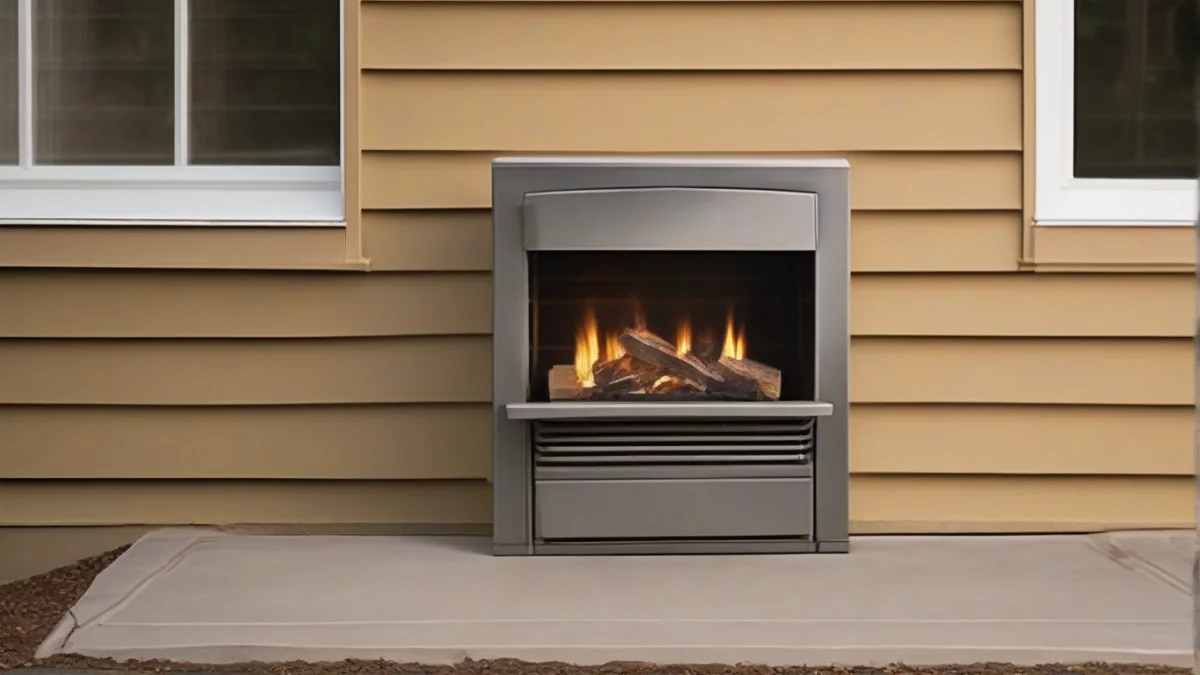
Most propane fireplaces must vent outdoors, but a listed vent-free model is the exception; direct-vent propane fireplace venting sends combustion gases outside through an approved wall or roof termination, while vent-free units release combustion products into the room and are restricted or banned in some places.
| Type | What the vent does | Installation consequence |
|---|---|---|
| Direct vent | Uses a sealed pipe system to bring in combustion air and send exhaust outdoors. | The termination location, pipe length, elbows and clearances must match the manufacturer’s listing. |
| B-vent or natural-draft | Sends exhaust up a vent and draws combustion air from the room. | It needs the specified vertical vent, draft path and room conditions. |
| Vent-free | Has no exhaust pipe to outdoors. | Local code may prohibit it, and the room must meet the appliance’s stated size and installation rules. |
A direct-vent fireplace can’t be installed by simply extending the hole in the wall. The opening must suit the listed vent diameter and wall-thimble assembly, and the termination must clear windows, doors, corners, grade and other openings by the distances in the manual and code. Insulation and framing around the penetration need the approved firestop or thimble; don’t pack insulation against a hot vent unless the instructions specifically allow it.
Built-in propane fireplaces generally can’t be moved like furniture. Relocating one can change the gas line, vent route, framing, termination clearances and required inspection, so treat a move or an extended vent as a new installation and use the manufacturer’s approved components. The detailed propane fireplace installation and venting guide covers the planning work.
Living rooms are the usual location because they provide the space and clearances the appliance needs. Bedrooms may be allowed for some listed direct-vent models, but only when the appliance, local code and installation instructions permit it; don’t assume a vent-free unit is legal there. Basements can work when the fireplace has the required vent route, combustion-air arrangement, clearances, drainage and safe access, with local egress and fuel-gas rules satisfied.
How Safe Is a Propane Fireplace Indoors?
Yes, a propane fireplace can be safe indoors when it’s listed for indoor use, installed as the manual and local code require, and maintained; an old, modified, poorly vented or malfunctioning unit can create carbon monoxide, fire and oxygen-depletion risks.
The main propane fireplace safety issues are incomplete combustion, blocked or damaged venting, and heat reaching something that can burn. Carbon monoxide has no reliable smell, so install working CO alarms near sleeping areas and on each level, and leave the room immediately if an alarm sounds or anyone develops headache, dizziness, nausea or unusual fatigue.
Vent-free models need more care because their combustion products remain in the room. Use only a model listed for indoor use, keep the oxygen-depletion sensor and safety shutoff working, follow the manual’s room-size and ventilation rules, and check local code because vent-free gas appliances are restricted or banned in some places. Never defeat the sensor or use an outdoor fireplace indoors.
A 25-year-old propane fireplace isn’t automatically unsafe, but its age makes inspection more important than the calendar date on the mantel. Have a qualified gas technician check the burner, pilot, thermocouple, shutoff controls, glass, gaskets, vent connector and termination before relying on it; replace parts only with approved parts.
Wind can affect propane fireplaces, especially at the outdoor vent termination: strong gusts or a downdraft can disturb the flame, push exhaust back toward the house, or cause nuisance shutdowns. Keep the termination clear of snow, leaves and obstructions, and stop using the fireplace if wind causes flame rollout, exhaust odor indoors or repeated shutdowns.
Questions People Ask
Can a propane fireplace heat an entire house?
Do propane fireplaces smell or produce fumes indoors?
How often should a propane fireplace be serviced?
Can you run a propane fireplace during a power outage?

I am a mechanical engineer and love doing research on different home and outdoor heating options. When I am not working, I love spending time with my family and friends. I also enjoy blogging about my findings and helping others to find the best heating options for their needs.
Related guides

Is the Comfort Glow 17000 BTU Wall Heater Worth It? Find Out!
A plain-English review of the Comfort Glow 17,000 BTU direct vent wall heater: who it fits, what it…
Bestfire 260000 BTU Outdoor Propane Gas Stove Review 2026
A compact 13,000 BTU propane heater and stove for outdoor use, with clear limits, safety notes, and how…
Tigbear Q314A4586 Pilot Burner Assembly: Efficiency Meets Reliability
Revamp your heating system with the Tigbear Q314A4586 Pilot Burner Assembly. Efficient, reliable, and easy to install—your ideal…
