

Ensure proper ventilation, check for gas leaks, use certified professionals, and follow manufacturer instructions during gas heater installation for safety.
Installing a gas heater requires strict safety measures to prevent leaks, carbon monoxide poisoning, and fire hazards. Follow these professional guidelines for a safe installation.

Alloxity
48" Flex Gas Line, Gas Dryer Connector…
- KNOWN FOR COMPATIBILITY. Fits most LG, GE and SAMSUNG gas ranges. The flex gas line with connectors is commonly used for the insta…
- RESISTANT MATERIAL. Made from high quality 304 stainless steel, this gas dryer connector kit resists kinking, crushing, cracking a…
- EASY TO INSTALL. No special tools required. The gas range connector kit includes all necessary components for easy installation: (…
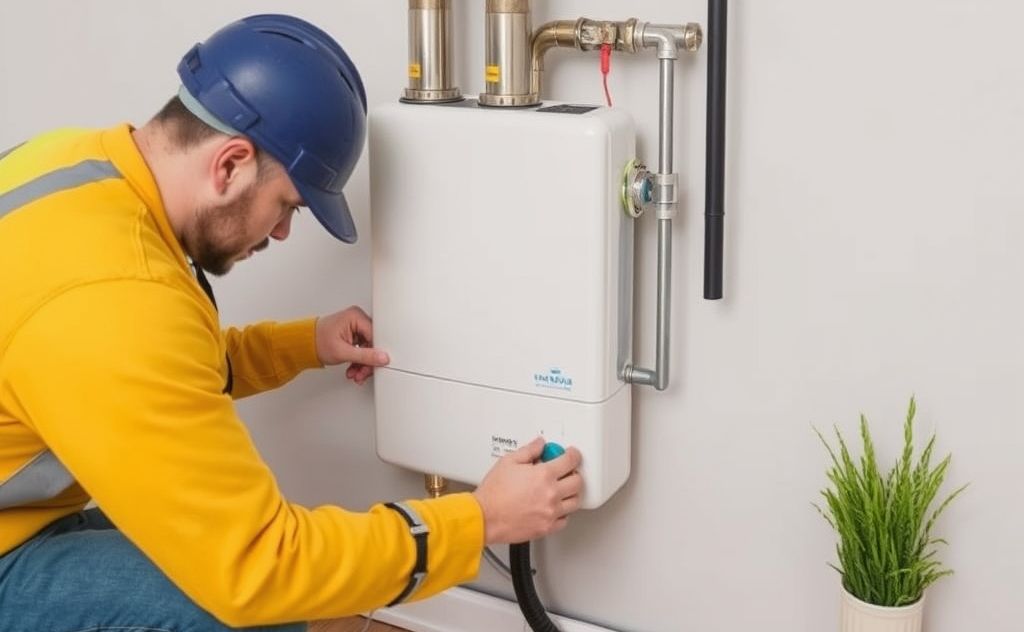
Professional Installation Requirements
Never attempt a DIY gas heater installation. Gas appliances require specialized knowledge of fuel lines, ventilation, and local building codes.
Hire a Licensed Gasfitter
Only licensed professionals should install gas heaters. They have training in:
- Gas line pressure testing
- Proper venting techniques
- Carbon monoxide prevention
- Local compliance standards
Verify Technician Credentials
Ask for proof of:
- Current gas fitting license
- Carbon monoxide detection training
- Manufacturer-specific certification
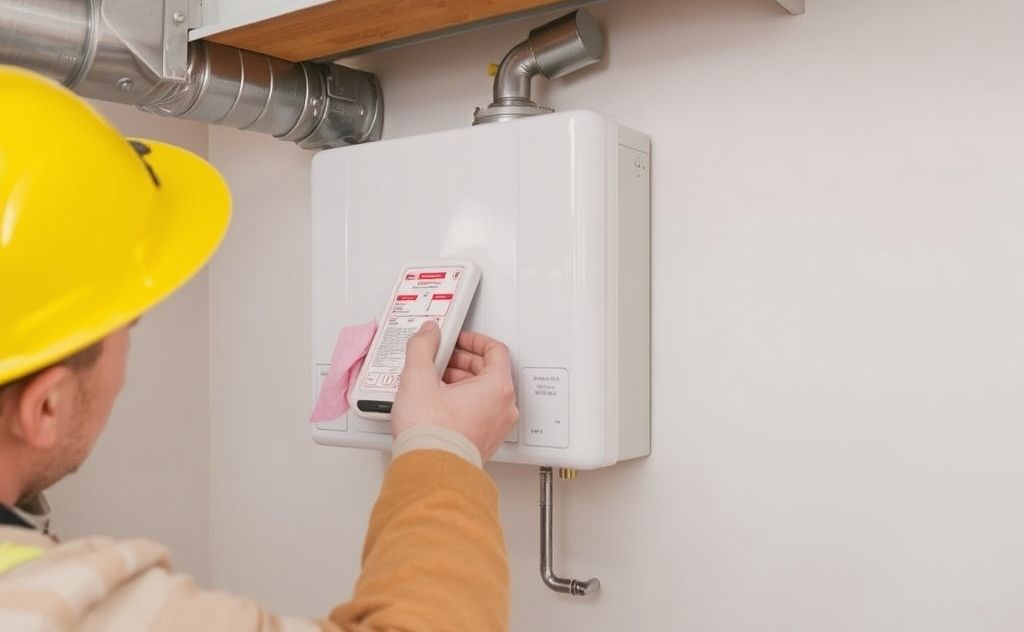
Ventilation Safety Checks
Improper ventilation causes 87% of gas heater-related carbon monoxide incidents according to the National Fire Protection Association.
Clearance Requirements
| Heater Type | Minimum Clearance |
|---|---|
| Wall-mounted | 36″ from combustibles |
| Floor-standing | 48″ front clearance |
| Vented models | 12″ from side walls |
Combustion Air Supply
Every 1 BTU of gas burned requires 1 cubic foot of fresh air. For a 60,000 BTU heater, you need:
- 60 cubic feet per minute of airflow
- Dedicated exterior vent
- Unobstructed air intake
Gas Line Precautions
Faulty gas connections cause 32% of heater-related fires according to the U.S. Fire Administration.
Leak Testing Protocol
Professionals should:
- Pressurize lines to 10 psi
- Monitor for 15 minutes
- Use electronic leak detectors
- Apply soap solution at connections
Proper Pipe Materials
Acceptable gas line materials include:
- Black iron pipe (most common)
- CSST (corrugated stainless)
- Approved flexible connectors
Carbon Monoxide Prevention
The CDC reports 400+ annual U.S. deaths from CO poisoning. Gas heaters are a leading cause.
Alarm Placement
Install CO detectors:
- Within 15 feet of sleeping areas
- At knee height (CO sinks)
- Not near windows or vents
Spillage Testing
Technicians should perform draft tests using:
- Smoke pencils
- Combustion analyzers
- Draft gauges
Post-Installation Verification
After installation, verify these critical safety points:
Operational Checks
- Flame color (blue with yellow tips)
- Pilot stability
- Proper thermostat function
Safety Documentation
Request:
- Installation certificate
- Manufacturer manual
- Warranty information
- Service company contact
For outdoor installations, consider DOE ventilation guidelines for proper airflow requirements. Always follow the NFPA 54 national fuel gas code standards.
Related pick: Check today's price on Amazon

I am a mechanical engineer and love doing research on different home and outdoor heating options. When I am not working, I love spending time with my family and friends. I also enjoy blogging about my findings and helping others to find the best heating options for their needs.
Related guides

Expert Tips for a Flawless Radiant Heater Installation
Ensure proper placement, adequate ventilation, and follow manufacturer guidelines for a safe and efficient radiant heater installation in…
Portable Heater Maintenance: When and How to Do It Right
Maintenance for a portable heater should be done at least once a year, ideally before the heating season,…
Why Hire a Pro for Infrared Heater Installation?
Hiring a professional for infrared heater installation ensures safety, optimal performance, and compliance with local codes, enhancing efficiency…
