

Palley oil heaters are a type of oil-filled radiator designed for quiet, efficient home heating. They use internal oil to store and radiate heat evenly across a room without a fan, making them ideal for bedrooms and living spaces.
Understanding how they work and what to expect in terms of running costs and safety helps you decide if one fits your home heating needs this winter.
How a Palley Oil Heater Works and What It Is
A Palley oil heater is an oil-filled radiator: an electric heating element warms sealed thermal oil, and that oil transfers heat through the metal fins into your room. The result is quiet, gradual heat that continues for a while after the element switches off because the oil and fins stay hot.
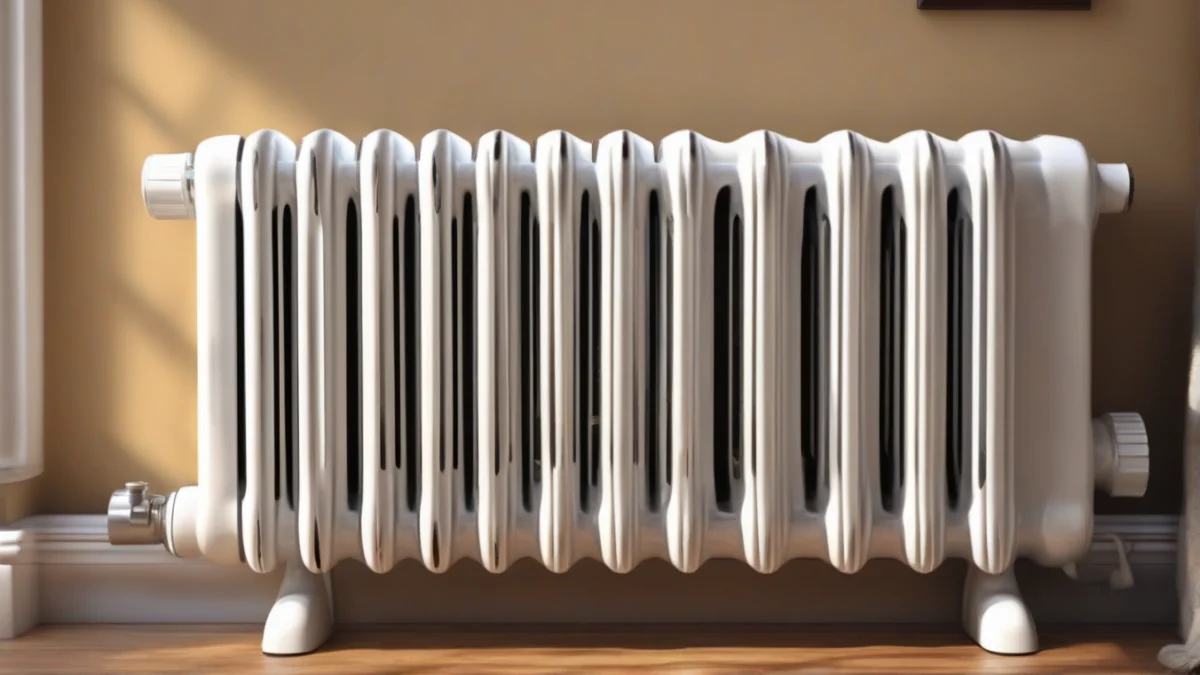
The heater doesn’t burn oil or use oil as fuel. Electricity heats the element, the element heats the oil, and the oil spreads that heat through the radiator’s sealed passages. Those broad fins provide more metal surface for releasing warmth to the room.
| Stage | What happens | What you notice |
|---|---|---|
| 1. Power on | The electric element heats inside the sealed radiator body. | The fins begin warming gradually. |
| 2. Oil circulation | Heated oil moves through the internal passages as warmer oil rises and cooler oil falls. | Heat spreads across more of the radiator. |
| 3. Room heating | Warm fins heat nearby air by convection and also radiate warmth toward people and objects. | The room warms quietly without a fan. |
| 4. Power off | The element stops drawing electricity, but hot oil and metal continue releasing stored heat. | Warmth fades gradually instead of stopping at once. |
That operating sequence is why how oil filled radiator heaters work feels different from a fan heater. A fan heater pushes air across a hot element, so you feel heat quickly and hear the fan, but the warmth drops rapidly when the element or fan stops. A Palley radiator takes longer to feel warm, then gives a steadier stream of heat without moving dust with a blower.
Infrared heating works differently again. An infrared heater sends more of its heat directly toward people, floors, walls and furniture in its line of sight, while an oil-filled radiator warms the surrounding air and nearby surfaces more gradually. Infrared can feel immediate when you’re sitting in front of it; a radiator suits someone who wants broad, quiet room heat rather than a hot beam aimed at one chair.
Running Costs of a Palley Oil Heater
A typical 1,500 W Palley oil heater uses 1.5 kWh for every hour its heating element runs, so the palley oil heater running cost depends mainly on your electric rate and how long the thermostat calls for heat. At 17 cents per kWh, one uninterrupted hour costs 1.5 × $0.17; the cost block below applies that rate over a month.
That 1,500 W rating is the heater’s maximum draw, not necessarily its all-night usage. Once the oil and room reach the thermostat setting, the element cycles off and the warm fins continue releasing heat. Your oil heater electricity usage falls when the room holds temperature well, though a drafty room can keep the element running for most of the night.
| Heater | Watts | Per hour | Per day (8 h) | Per month (30 days) |
|---|---|---|---|---|
| Palley oil heater at full power | 1,500 W | 26¢ | $2.04 | $61.20 |
| 1,500 W fan heater at full power | 1,500 W | 26¢ | $2.04 | $61.20 |
| 100 W electric blanket | 100 W | 1.7¢ | 14¢ | $4.08 |
| Electric heater | Power used | What changes the bill |
|---|---|---|
| Palley oil heater | 1,500 W maximum | Thermostat cycling and room insulation |
| Fan heater | Often 1,500 W maximum | Same maximum energy cost at the same wattage |
| Electric blanket | About 100 W | Much lower heated area and lower power draw |
A fan heater doesn’t automatically cost less than an oil-filled radiator. If both draw 1,500 W for the same length of time, both use the same electricity; the fan simply moves warm air sooner. An electric blanket uses far less power because it heats the person and bedding rather than the whole room, but it can’t replace room heating for everyone.
Eco mode usually lowers the setpoint, limits the selected power level, or lets the thermostat run the element for shorter periods. It doesn’t make resistance electricity produce more heat per watt. The useful saving comes from less runtime, so a correctly set thermostat matters more than the word eco on the control panel. A thermostat guide can help if you’re comparing oil-filled radiator heaters with thermostat.


Indoor Safety of Palley Oil Heaters
Palley oil heater safety is generally straightforward indoors because an electric oil-filled radiator has no flame or combustion exhaust, but the hot metal body and high electrical load still need respect. Oil heaters are safe for bedrooms only when the model’s manual permits that use, the heater is stable and clear, and you follow the rule against sleeping with it running unless the manufacturer specifically designs and approves it.
Tip-over protection cuts power if the heater falls, while overheat protection shuts the element down if temperatures rise abnormally. Those features reduce risk; they don’t make a blocked heater safe. Check that your Palley model actually lists both protections, because features can vary by model.
A child lock can stop accidental button presses, and fire-resistant materials can limit how easily nearby parts ignite, if those features appear in your model’s specifications. Neither feature replaces the 3-foot clearance rule. Don’t dry clothes on the heater or cover it with a blanket; that turns a controlled heat source into a blocked one.
For a bedroom, place the heater where nobody can knock it over while getting out of bed, keep the cord away from walking paths, and use the thermostat rather than leaving maximum heat selected. A working smoke alarm nearby adds protection, but it isn’t a reason to leave the heater unattended.
Best Rooms and Situations for a Palley Oil Heater
The best room for an oil heater is a dry, enclosed bedroom, office, or living room with reasonable insulation. Palley oil heater bedroom use works well because the fanless radiator supplies quiet, steady heat without blowing dust or interrupting sleep with blower noise.
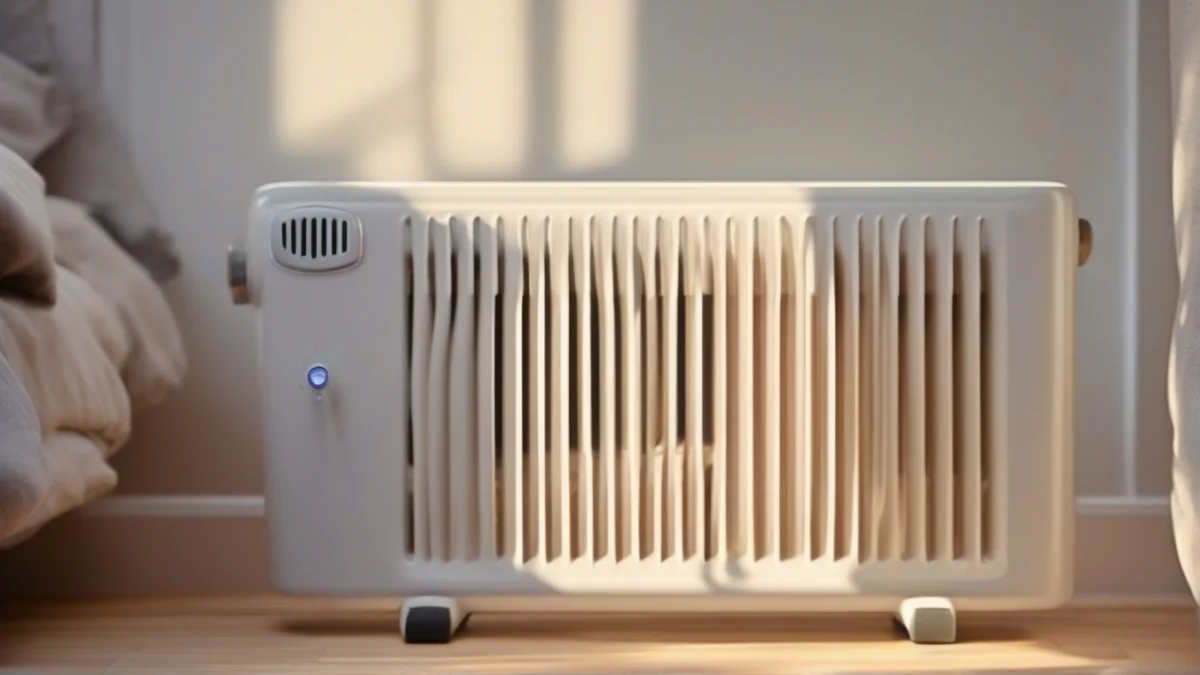
Room size and insulation decide whether the heater can keep up. Check the Palley manual for its recommended room area, then account for drafty windows, high ceilings, open doors, and exterior walls. A 1,500 W heater may warm a small or medium room effectively, while a large, poorly insulated space can stay chilly even with the thermostat calling for heat.
Insulation also affects running time. A room with sealed windows and a closed door loses heat more slowly, so the element cycles off sooner; a drafty room sends that heat straight outside. An oil-filled radiator can supplement a central system, but it won’t repair a cold room caused by major air leaks.
Fanless operation is the strong suit for noise-sensitive spaces. You may hear a thermostat click or the metal expand slightly as it warms, but there is no fan motor running continuously. Offices benefit from that quiet, while living rooms gain gentle background heat instead of a strong hot-air stream.
Keep the radiator on a stable, dry floor with clear space around it, especially in a bedroom where bedding and curtains can drift toward the hot fins. In a living room, place it where people won’t knock it over and where its cord won’t cross a walkway.
What to Do Next: Choosing and Using a Palley Oil Heater This Winter
For most homes, the best oil heater is a correctly sized model with temperature control, overheat and tip-over protection, and a timer. To learn how to use a Palley oil heater, follow four checks: match the wattage, confirm the controls, use the right outlet, and set a schedule that doesn’t heat an empty room.
Frequently Asked Questions
What kind of oil is used inside a Palley oil heater?
Can I leave a Palley oil heater on overnight safely?
How long does it take for a Palley oil heater to warm a medium room?
Do Palley oil heaters require maintenance or oil refills?
Are Palley oil heaters more energy efficient than fan heaters?

I am a mechanical engineer and love doing research on different home and outdoor heating options. When I am not working, I love spending time with my family and friends. I also enjoy blogging about my findings and helping others to find the best heating options for their needs.
Related guides

Is the De’Longhi TRD40615E the Best Oil Heater for You?
A plain-English review of the De'Longhi TRD40615E: who should buy it, who should skip it, and what the…
Quartz Heater vs Oil Radiator: Which Heater is Best?
Compare quartz heaters and oil-filled radiators for efficiency, safety, and cost. Discover which portable heater is right for…
Solving Heavy Duty Jobsite Heater Challenges for 8-Hour Shifts
In searching for the right heavy duty jobsite heater that runs for 8 hours continuously solution, I discovered…