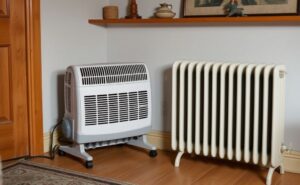
15 Proven Energy Saving Tips For Oil Heaters
On this page 6 sections
To maximize energy efficiency with oil heaters, regularly maintain the unit, insulate ducts, and set the thermostat to a lower temperature when not in use.
Oil heaters remain a reliable heating solution for many homes, especially in colder regions. While effective, they can be expensive to operate if not used efficiently. These practical tips will help you reduce energy consumption while maintaining comfort.

Optimize Your Thermostat Settings
Proper thermostat management is the easiest way to cut oil heating costs.
Ideal Temperature Ranges
- Set to 68°F (20°C) when awake and home
- Lower to 60°F (15°C) when sleeping or away
- Each degree lowered saves 1-3% on heating bills
Smart Thermostat Benefits
Consider upgrading to a programmable thermostat that automatically adjusts temperatures based on your schedule. Modern models learn your habits and can be controlled remotely.

Improve Home Insulation
Proper insulation keeps heat where you want it – inside your home.
Key Areas to Insulate
| Area | Recommended R-Value |
|---|---|
| Attic | R-38 to R-60 |
| Walls | R-13 to R-21 |
| Floors | R-25 to R-30 |
Quick Insulation Fixes
- Apply weatherstripping around doors and windows
- Use draft stoppers at exterior door thresholds
- Install thermal curtains on windows
Maintain Your Oil Heating System
Regular maintenance ensures your system runs efficiently.
Annual Maintenance Checklist
- Schedule professional tune-up before heating season
- Clean or replace air filters monthly
- Inspect ductwork for leaks (if applicable)
- Check thermostat calibration
According to U.S. Department of Energy, proper maintenance can improve efficiency by up to 15%.
 Winter Heating Bill CutterSee what every heater in your home really costs, heat the rooms you use, and cut the waste in 30 days.Cost-per-hour tables for every heaterThermostat schedule and draft-proofing planRunning-cost and bill calculator (Excel)
Strategic Heating Practices
Zone Heating Approach
Only heat occupied rooms. Close doors and vents in unused spaces. Consider supplemental heating like space heaters for frequently used areas.
Air Circulation Tips
- Use ceiling fans on low (clockwise rotation) to push warm air down
- Keep furniture away from heat vents and radiators
- Ensure air vents aren’t blocked by rugs or drapes
Upgrade Opportunities
Modern oil heating systems are significantly more efficient than older models.
When to Consider Replacement
- System is over 15 years old
- Frequent repairs needed
- Uneven heating throughout home
- Visible soot or rust around unit
The ENERGY STAR program reports that modern oil furnaces can achieve up to 95% efficiency compared to 60-70% for older units.
Supplemental Energy Saving Measures
Window Treatments
Open curtains on south-facing windows during sunny winter days. Close all curtains at night to reduce heat loss.
Humidity Control
Proper humidity (30-50%) makes air feel warmer. Use a humidifier if needed – moist air retains heat better.
Water Heating Efficiency
Lower your water heater temperature to 120°F (49°C) and insulate hot water pipes to reduce oil consumption.