

Water heaters intended for outdoor installation must handle exposure to weather and temperature swings without damage or loss of efficiency. You’ll find models powered by propane, electricity, or heat pumps, each suited to different climates, water demands, and budgets. This article explains how these heaters work, what to watch for in running costs and safety, and which types fit various outdoor applications like showers, pools, or cabins.
What Is an Outside Water Heater and How Does It Work
An outside water heater is a tank or tankless unit built for outdoor exposure, with weather protection and some method of limiting freeze damage. Common choices are propane tankless heaters, electric storage tanks rated for outdoor use, and heat pump water heaters; each heats water differently and has different limits in cold weather.
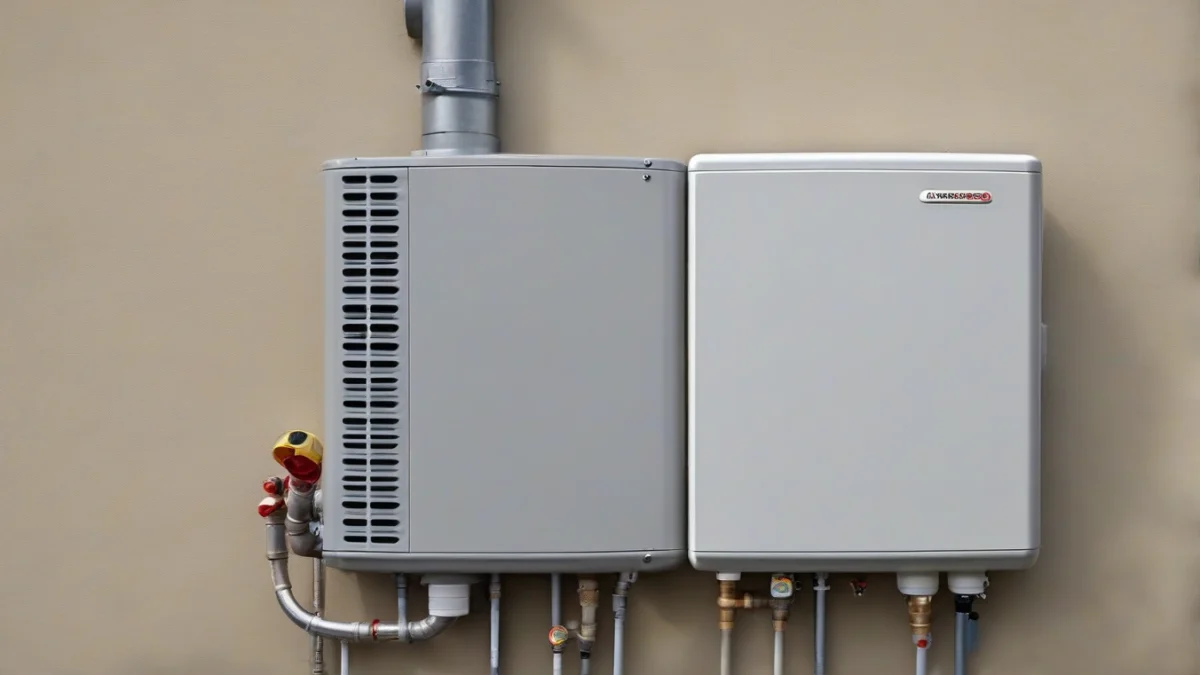
A tankless propane heater burns gas only when water flows, an electric tank uses heating elements to warm stored water, and a heat pump moves heat from the surrounding air into a tank. Outdoor models protect the controls and plumbing with an enclosure, insulation, freeze protection, or a combination of those features, but no outdoor label makes a unit immune to a hard freeze.
Tankless Propane
A propane tankless unit senses water flow, opens its gas valve, and fires a burner beneath a heat exchanger. Cold water passes through that exchanger and leaves hot without waiting for a tank to recover. The tradeoff is that the unit needs propane, water pressure, and a suitable outdoor installation; a standard indoor tankless model isn’t automatically safe outside.

Electric Storage Tank
An electric water tank for outside stores a set volume of water and uses electric resistance elements to heat it, then cycles those elements to maintain the temperature. Choose a model specifically listed for outdoor installation; putting a normal indoor tank outdoors exposes its controls, insulation, plumbing, and electrical connections to moisture and freezing.
Heat Pump Water Heater
A heat pump water heater uses a refrigeration system to pull heat from surrounding air and transfer it into the storage tank, usually with electric resistance backup for high demand or colder conditions. That makes outdoor placement possible only for models whose instructions allow it and whose operating temperature range fits your climate. A covered, serviceable location helps, but the unit still needs protection from freezing, snow, and blocked airflow.
An outside install water heater tankless setup also needs the right water lines, fuel or electrical supply, drainage, and clearances. For a tankless installation question, the model’s listing and instructions settle whether it can live outdoors; the word “tankless” by itself settles nothing.
For the difference between outdoor-rated and indoor tankless equipment, see whether a tankless water heater can be installed outside.
How to Prevent Freezing and Damage in Outdoor Water Heaters
To keep an outside tankless water heater from freezing, use a model with built-in freeze protection, insulate the exposed water lines, keep wind and snow away from the cabinet, and drain the unit when the manual calls for shutdown or the power may fail. Freeze protection usually needs electricity, so a cold-weather feature is not a substitute for a reliable power supply.
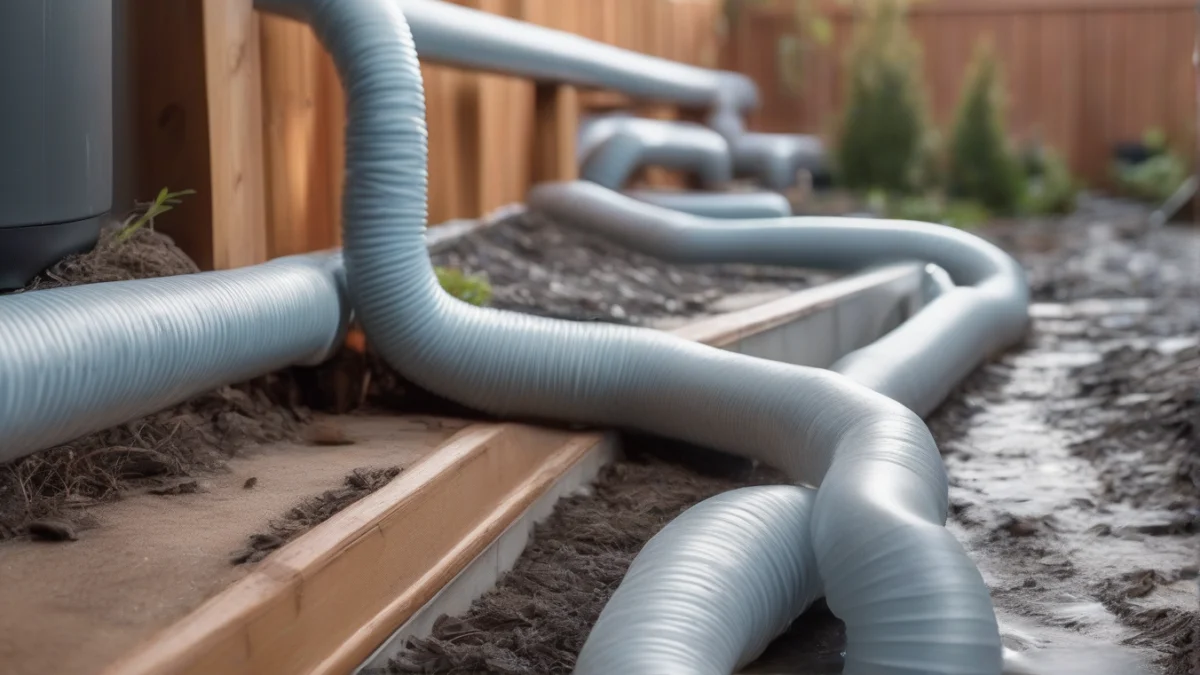
Insulation slows heat loss, while a built-in heating element or heat cable can add warmth around vulnerable components; neither can rescue a unit after water has already frozen solid. Some tankless heaters also use a small circulation routine or valve arrangement to reduce freezing risk, but the exact method varies by model. Read the instructions rather than guessing from the cabinet shape.
A heat pump water heater can go outside only when that specific model is rated for outdoor installation and its permitted air-temperature range covers your winter. A heat pump water tank outside may need a roof or enclosure for weather protection, open space around its air inlet and outlet, and a drain for condensate; placing it in a tight box can choke the airflow that makes heating possible.
Before a freeze, shut off water if the unit will be unused, drain the tankless heat exchanger and connected piping as directed, and open the required drain points. A storage tank holds a large volume of water, so draining it takes longer and may require the manufacturer’s procedure; don’t improvise by disconnecting pressurized lines.
Heat pump models deserve their own check because cold air reduces the heat available to move into the tank, and some units may enter a defrost cycle or rely more heavily on resistance backup. See whether heat pump water heaters can be installed outside for the model-rating question before choosing a location.
Running Costs and Efficiency of Outdoor Water Heaters
An electric instantaneous water heater can supply an outside shower, but it needs a properly sized circuit and a model listed for outdoor use; a standard indoor unit in a damp corner is a bad shortcut. Gas tankless units use propane and vent combustion gases, while heat-pump water heaters use electricity to move heat from outdoor air into the tank.
Very high outdoor temperatures usually help a heat-pump water heater because warmer air gives it more heat to collect. Direct sun, a hot enclosure, or temperatures beyond the model’s operating range can still force a shutdown or electric backup, so check the manufacturer’s temperature limits rather than assuming hotter is always better.
What You Pay For
Electric resistance heating turns nearly all of its electrical input into heat, but electricity often costs more per unit of delivered heat than propane. A heat pump can deliver roughly two to three units of heat for each unit of electricity under favorable conditions; cold air, defrost cycles and backup elements reduce that advantage.
Your actual result changes with incoming water temperature, shower flow, standby losses, fuel price and the unit’s efficiency rating. For gas models, UEF estimates how much of the fuel becomes useful hot water over a standardized use pattern; for electric resistance models, the rating is close to the input-to-heat relationship. Heat-pump UEF reflects the system’s extra efficiency, but outdoor temperature still matters.
| Heater | Watts | Per hour | Per day (2 h) | Per month (30 days) |
|---|---|---|---|---|
| 1,500 W resistance heater | 1,500 W | 26¢ | 51¢ | $15.30 |
| 500 W heat-pump input example | 500 W | 8.5¢ | 17¢ | $5.10 |
Propane cost is best calculated from the burn rate printed on the rating plate: gallons per hour × hours used × price per gallon. Electricity uses watts ÷ 1,000 × hours × price per kWh. Check those inputs before comparing fuels; a cheap-looking heater can lose its advantage through standby heat, poor sizing or a circuit that can’t deliver its rated power.
| Heater | Watts | Per hour | Per day (8 h) | Per month (30 days) |
|---|---|---|---|---|
| 1,500 W electric water heater | 1,500 W | 26¢ | $2.04 | $61.20 |
| Standard kerosene heater | 1,000 W | 17¢ | $1.36 | $40.80 |
Safety and Installation Considerations for Outdoor Water Heaters
A gas water heater that draws combustion air from outside is usually a sealed-combustion or direct-vent model, with dedicated intake and exhaust connections; it still needs the clearances, termination position and vent materials specified by its listing. A gas water heater can be vented up and through a wall only when the approved vent system and local code allow that route.
An electric instantaneous water heater doesn’t need outside combustion venting because it burns no fuel, but an outdoor-rated model still needs weather protection, a correctly sized circuit, disconnecting means and ground-fault protection where required. A gas tankless heater does need a listed vent, and an oxygen-depletion sensor doesn’t replace that vent.
Install Around The Hazards
Common installation mistakes include using an indoor heater outside, reducing the vent diameter, placing the exhaust below an opening, skipping the manufacturer’s mounting clearance, and routing the temperature-and-pressure relief discharge line incorrectly. Never cap or plug that T&P valve; gas connections, venting and 240-volt work belong to licensed trades in most locations.
Which Outdoor Water Heater Fits Your Needs
For a permanent outside tankless water heater in Southern California, compare an outdoor-rated Rinnai, Noritz, or Navien model and choose the one with the strongest local service support plus enough flow for your busiest use; the brand name alone doesn’t settle it.
Choose Propane Tankless for Flexible Hot Water
Propane tankless suits an outdoor shower, guest house, barn, RV, cabin, or home without a convenient high-capacity electrical circuit. It heats water only while a tap runs, so you avoid storing a tank of hot water, but flow rate and incoming-water temperature still limit how many fixtures it can serve together.
Portable units trade capacity for easy transport. Product 1 delivers up to 1.58 gallons per minute, needs at least 2.5 PSI to start, runs from a 20 lb propane tank, and uses two D-cell batteries for ignition. That fits one shower or wash station better than a house with several simultaneous showers.
Choose Electric Tank for Simple, Steady Supply
An electric storage tank works well where gas service is unavailable and demand is modest, such as a detached workshop or occasional outdoor sink. The tank supplies a ready reserve, but recovery takes time after that reserve is used, and the unit needs a suitable outdoor-rated location and electrical circuit.
Choose a Heat Pump for Lower Use Costs
A heat pump water heater is the better long-term fit for a household with regular hot-water demand and enough space for the unit’s air movement. It uses electricity to move heat rather than create all of it directly, so it can reduce energy use, but installation is less portable and cold weather can reduce performance or require backup heat.
Match the Heater to Climate and Demand
Mild Southern California weather makes outdoor installation easier than in a hard-freeze climate, yet mountain areas still need freeze protection and insulated water lines. A one-fixture cabin can use a small propane tankless unit; a family home needs a properly sized whole-house model based on simultaneous flow and winter inlet temperature.
Know When Indoor Is the Better Choice
Skip an outdoor model if your climate regularly freezes, the installation spot can’t stay dry and accessible, or local code and manufacturer clearances can’t be met. An indoor unit may also make more sense when gas, venting, electrical work, or annual servicing would be difficult outside.
More Questions, Answered
Can I install a heat pump water heater outside in cold climates?
What maintenance is needed for an outside propane water heater?
How do I properly vent a gas water heater installed outside?
Is it safe to use an electric water heater outdoors without extra protection?

I am a mechanical engineer and love doing research on different home and outdoor heating options. When I am not working, I love spending time with my family and friends. I also enjoy blogging about my findings and helping others to find the best heating options for their needs.
Related guides

Why Is My Water Heater Connected to My Furnace?
Your water heater may be connected to your furnace for efficient heating, allowing the furnace to use hot…

Water Heater Permit Rules: Same-Size Replacement Guide
The water heater died at 7 a.m. on a Tuesday. You called a plumber, got a quote, and…
Transform Your Shower Experience with These Top Shower Heads
For homeowners, the best shower head for tankless water heaters elevates your bathing experience. The right shower head…
