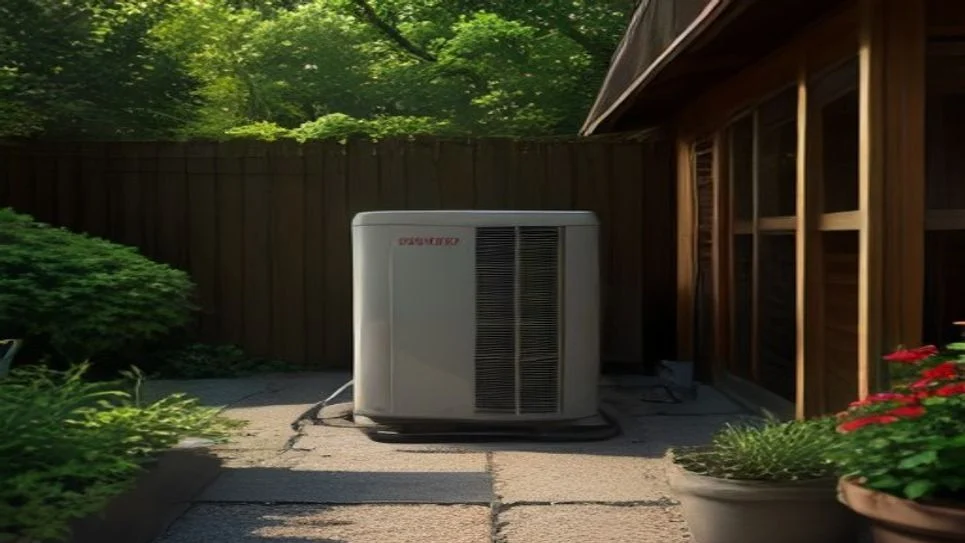
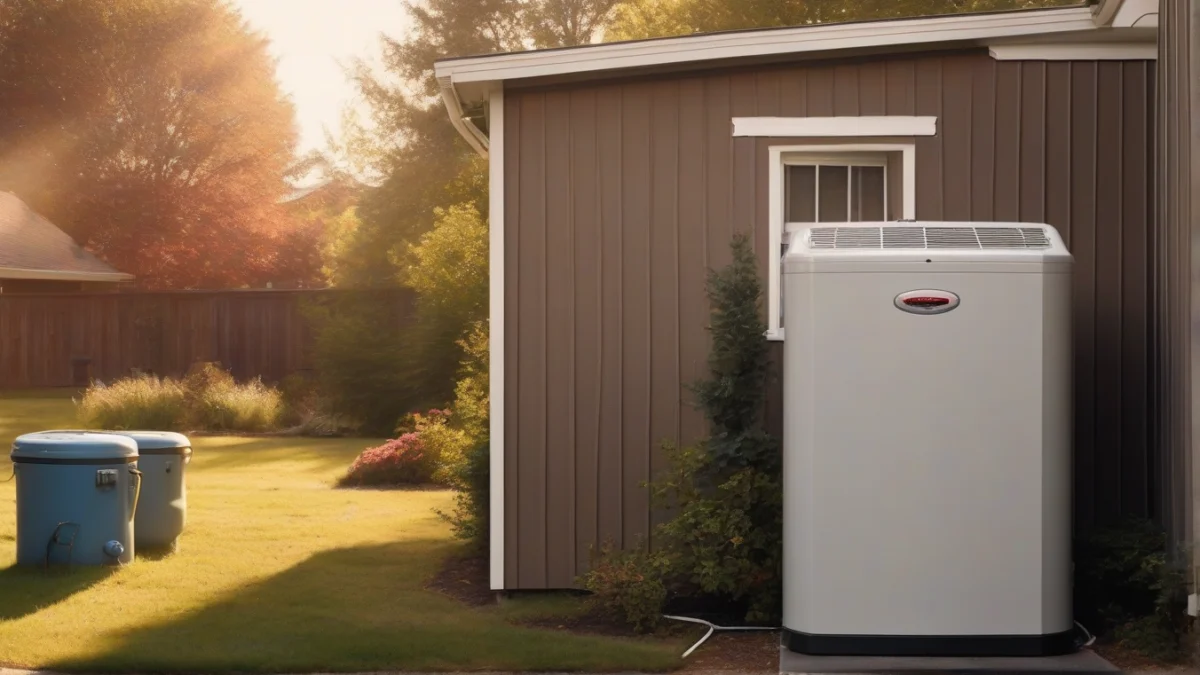
Can Heat Pump Water Heaters Be Installed Outside? Avoid Leak Damage
Joye
Updated October 11, 2026 11 min read
At a glance
A heat pump water heater can be installed outside only if the model and local code allow it, the site stays above freezing, and the unit has the clearance and drainage it needs; plan on a licensed pro and a half-day to a full day for a replacement install, not a casual DIY afternoon.
Say your existing tank is in a garage and you want the replacement outside under a roof overhang. The job becomes less about brute force and more about weather protection, condensate drainage, 240V wiring, and whether the manufacturer actually allows that location.
A plain swap can take 4 to 8 hours for a pro when the plumbing, electrical, and drain line are already close. If the site needs a new pad, new circuit, or freeze protection, it stretches longer and stops being a reasonable DIY project fast.
What to remember
Outdoor placement is allowed only when the manufacturer and local code allow it, and freezing weather is the first thing to rule out.
A heat pump water heater needs dry, protected airflow and a working condensate drain; standing water or splashback causes trouble.
240V electrical work and water line changes usually belong to a licensed plumber or electrician.
Use the manual’s clearances and temperature limits, not guesswork from another model.
If winter lows can freeze the tank, piping, or drain, put the heater indoors or choose a different setup.
Can Heat Pump Water Heaters Be Installed Outside? Avoid Leak Damage
Yes, a heat pump water heater can be installed outside only if the specific model is rated or permitted for outdoor use and the location meets the temperature and clearance requirements in the manual.
Ensure the model is rated for outdoor installation.
These heaters extract heat from the surrounding air to warm your water, so their efficiency drops sharply in cold weather, and freezing temperatures risk damaging pipes and condensate lines.
The basic rule is simple: install the unit in a covered, dry, well-drained spot that stays above freezing. If the site doesn’t meet these conditions, keep the heater indoors or consider another location.
In places like California and other warm climates, local building codes still apply. Just because a spot is outdoors doesn’t mean it qualifies as a proper installation site. A covered outdoor area is very different from an exposed wall or fully open space.
For example, if you place the water heater under a shed roof with open sides, you’ll likely need additional protection from wind-driven rain and freeze-proof plumbing to prevent damage during cold snaps.
Freeze Damage Risk
If temperatures drop below freezing without proper protection, water inside the heater or pipes can freeze and burst, causing costly repairs and loss of hot water.
Worked Example
Say you want to install a heat pump water heater outside your garage under a shed roof. The sides are open but the roof keeps rain off. You’ll need to check local code for outdoor-rated models, ensure the spot stays above freezing most of the winter, and install freeze-safe plumbing. Otherwise, indoor installation is safer.
Local Code Matters
Even in warm climates like California, city or county codes may require permits or restrict outdoor installation. Always check before buying or installing.
What You’ll Need
Use these tools and parts before you start the install.
Energy Star Certified
Rinnai REHP50 Heat Pump Water Heater 50 Gallon
This model works well outside if your climate stays above freezing and you can provide drainage and clearance. Its high first-hour delivery and demand-response feature help manage energy use efficiently during peak times.
A heat pump water heater draws heat from the air, so installing one outside means the site must allow good airflow and avoid sealed spaces like tight boxes or closets. If you want to put it in a shed, make sure the shed is well-ventilated, with openings that let outside air freely reach the unit’s intake and exhaust.
Start by measuring the installation area carefully: height, width, and depth of the space where the heater will sit. Also check how much room you have for service access—panels for maintenance and controls need to stay reachable without moving the entire unit. Don’t block the top or sides where the unit pulls in or expels air.
Measure and Prepare
Height, width, and depth of installation space
Clearance around the unit for airflow (check manufacturer specs)
Service access space to reach panels and controls
Path for the condensate drain tubing or pipe
Stable, weather-resistant support or stand if mounting off the ground
Drainage is crucial. Heat pump water heaters produce condensate that needs a clear, downward path to a drain or outside ground that won’t freeze or puddle near the unit. Plan the route for condensate tubing or install a drain pan if the manufacturer requires one.
Gather tools and parts before you start. You’ll need a tape measure and level to check measurements. Pipe wrenches and fittings will help connect water and condensate lines. Include shutoff valve parts, insulation for exposed pipes, and any weather-rated supports or stands if the unit isn’t sitting directly on concrete or another stable base.
Tools and Parts to Have Ready
Tape measure and level
Pipe wrenches and plumbing fittings
Condensate tubing or drain components
Shutoff valve fittings
Pipe insulation
Weather-rated support or stand
Manufacturer-required drain pan or materials
At least 12 inches clear
Clearance and Drainage Requirements
Keep Access Clear
Leave space to open service panels and never block intake or exhaust vents. A practical rule: imagine pulling the unit 2 feet forward to work on it easily.
Why Airflow Matters
The heat pump extracts heat from outside air, so restricting airflow cuts efficiency and may cause the unit to overheat or freeze up. A tight shed without venting will hurt performance and could shorten the heater’s life.
Measure for Clearance and Access
Rinnai REHP50 Electric Heat Pump Water Heater 50 Gallon Energy Star
The Rinnai REHP50’s zero-clearance design on top, back, and sides eases tight spots, but you still need room to service it and route condensate properly.
Shut off the power at the breaker and verify the circuit is dead before touching any wiring. Close the water supply valve and let the tank cool if it has been running. This prevents electric shock, scalding, and water damage during installation.
Heat pump water heaters differ from tankless gas units in that they require no combustion venting but do need proper drainage and protection from weather. Outdoor installation demands careful attention to prevent water intrusion and rust.
1
Set the Unit Level
Place the heater on a flat, stable surface ensuring it is perfectly level to avoid stress on plumbing and internal components.
2
Connect Water Supply and Discharge Lines
Attach cold water inlet and hot water outlet lines securely with the correct fittings, following the manufacturer’s instructions to prevent leaks.
3
Route the Condensate Drain
Install the condensate drain line with a continuous downward slope toward a safe drainage point. A slope of at least 1/4 inch per foot prevents water backup.
4
Wire the 240V Circuit
Run electrical wiring per the heater’s manual, using a dedicated 240V breaker and proper gauge wire. Confirm connections are tight and comply with local electrical codes.
5
Check for Leaks Before Restoring Power
Open the water supply slowly and inspect all joints and fittings. Repair any leaks before turning the circuit breaker back on to avoid electrical hazards.
Why Drainage Matters
Standing water, clogged drains, or missing drip pans can cause rust on the heater’s base or damage the floor beneath. Moisture accumulation shortens the unit’s life and risks costly repairs.
Drain Slope Gone Wrong
If the condensate drain line slopes uphill for even a few feet, water can back up inside the heater’s enclosure. This leads to leaks and potential rust damage. For example, a 3-foot drain line with a negative slope traps about a quart of water, enough to cause corrosion and floor damage.
Installing outdoor purification units on heat pump water heaters is rarely supported because these systems rely on controlled indoor environments. Tankless water heaters designed for outdoor use require different venting and weatherproofing solutions; check Can a Tankless Water Heater Be Installed Outside? for specifics.
Know The Mistakes That Cause Leaks Or Damage
You can install a heat pump water heater outside, but setting it under a basic shed isn’t enough by itself. The shed must protect the unit from rain blowing into air intakes and have clearance for airflow and maintenance access.
Proper shelter is essential to prevent water damage.
Poor drainage is the most common cause of leaks and damage. The condensate drain line must slope downhill and end where water won’t pool or freeze. Without freeze protection, water inside the tank or pipes can burst them in cold weather.
An undersized electrical service can cause the unit to trip breakers or run backup heating elements more than it should, wasting energy. Your circuit should match the heater’s rating exactly, typically a dedicated 240 V line.
Blocked airflow happens when the heater is tucked into a tight spot or the shed walls block its vents. The heat pump pulls heat from the air; restricted airflow makes it work harder, shortens compressor life, and raises electric backup use in cool weather.
Flexible water and drain connections still need proper support. Over-tightening fittings can crack plastic or copper pipes, causing leaks down the line.
Myth
Any covered spot outdoors protects a heat pump water heater well enough.
Fact
A roof overhang or simple shed isn’t a code-compliant enclosure. The unit needs an approved outdoor-rated enclosure with proper drainage, clearance, and wind protection for long life.
Space for Service
Leave enough room to remove the anode rod and access filters or panels without pulling the whole tank out. This makes routine maintenance easier and less risky.
When You Need A Permit Or A Licensed Pro
You can install outdoor heat pump water heaters in California, but local codes often add siting, energy, and permit requirements that are stricter than the national rules. Always check with your local building department first.
Most residential outdoor heat pump water heater installations require a licensed plumber or electrician for 240 V wiring, new circuits, panel modifications, or gas line changes—especially if you’re switching from a gas or oil-fueled unit.
Permits are often mandatory for replacing water heaters, altering electrical panels, installing new pads or platforms, or working in flood-prone or seismic areas. Outdoor equipment sometimes has additional restrictions to meet safety and energy codes.
Where to Check
The three authorities that matter are the product manual, your local building department, and the inspector. A neighbor’s install or online forum advice won’t cover your unique code requirements.
Plan for Minimal Downtime
Call the building department and your licensed pro before demo day. Scheduling inspections and permits ahead keeps the water heater shutoff window as short as possible so your household doesn’t go without hot water longer than necessary.
What To Do Next In Your Situation
Start by reading your heat pump water heater’s manual to confirm outdoor installation is allowed and to note specific site requirements for clearance, drainage, and electrical connection.
Next, measure the intended location carefully. If you’re in a warm climate with a covered, drained, and code-compliant spot—like a shed with proper airflow and no freeze risk—you can proceed with installation following the manual’s guidelines.
If you live where freezing conditions are possible, installing outside becomes tricky. Don’t rely on makeshift weatherproofing like plywood or tarps. Instead, choose a different location indoors or a model rated for freeze protection.
When venting, drainage, or electrical wiring is unclear, especially if the install involves 240 V circuits or plumbing changes, call your local permit office or a licensed professional. They ensure everything meets code and runs safely.
If your current heater is indoor, compare the benefits and challenges of moving it outside before buying parts. Sometimes staying indoors saves you from extra work or costs.
1
Check the manual
Confirm the model supports outdoor installation and note site instructions.
2
Measure the site
Verify clearance, drainage, and freeze protection meet the manual and code.
3
Call if needed
Reach out to the permit desk or a licensed pro if plumbing or electrical work is involved.
4
Choose location wisely
Pick a covered, drained, code-compliant spot like a shed for warm climates.
5
Avoid makeshift fixes
If freeze or drainage fails, switch location or heater model.
Questions People Ask
Can you install a heat pump water heater outside in California?
California allows outdoor installation of heat pump water heaters, but local codes may add extra requirements for energy efficiency, site placement, and permits. Always check with your local building department before installation to comply with specific rules.
How much clearance does an outdoor heat pump water heater need?
Outdoor heat pump water heaters typically require at least 12 to 24 inches of clearance on all sides for proper airflow and maintenance access. Check your model’s manual for exact clearance specs, as insufficient space can reduce efficiency and cause overheating.
Can a heat pump water heater sit under a shed or carport?
Simply placing a heat pump water heater under a shed or carport is usually not enough protection. The area must provide good airflow, keep the unit dry, and have proper drainage to prevent water damage and freezing risks.
Do heat pump water heaters need venting outside?
Heat pump water heaters do not need combustion venting because they use electricity, not fuel combustion. However, they do need adequate airflow around the unit to extract heat from the air efficiently and drainage for condensate.
When do you need a permit for an outdoor water heater install?
A permit is generally required for installing or replacing an outdoor heat pump water heater, especially if electrical or plumbing work is involved. Local building codes set these rules, so contact your local permit office before starting the project.
Share
Written byJoye
HeaterGuides covers home heating, water heating and HVAC: how the equipment works, what it costs to run, and how to use it safely.