

You hear a dull knock from the basement, then a hiss near the pressure relief valve. Your hydronic boiler is telling you something. Ignoring it means cold radiators, higher gas bills, or worse — a flooded floor. Proper maintenance of a hydronic boiler isn’t optional if you want reliable heat through a New England winter.
This guide covers the real tasks that keep water-based heating systems running efficiently for decades. You will learn the weak points to inspect, the schedule to follow, and how to handle the most common problems. I have worked on dozens of residential and light commercial hydronic systems and tested sealants, pumps, and controls. The advice here saves you money and avoids emergency calls.
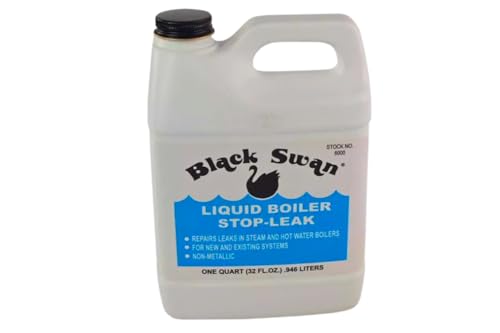
Black Swan
Black Swan Liquid Boiler Stop-Leak – Boiler…
- LASTING BOILER LEAK REPAIR Designed to repair leaks in steam and hot water boilers. Works in both high and low pressure systems wi…
- HANDLES EXTREME SYSTEM CONDITIONS Works effectively in high temperatures and pressures while withstanding expansion, contraction,…
- TARGETS LEAKS DIRECTLY Sticky liquid combined with heavy-duty particles flows through the system to locate leaks, plug openings, a…
For minor leaks that appear during the heating season — pinhole leaks in cast-iron sections or around threaded fittings — a quick solution exists. Black Swan Liquid Boiler Stop-Leak is a pour-in sealer that works on steam and hot water systems without draining or shutdown. Heavy particles and a sticky liquid flow to the leak site and form a permanent seal. It handles high temperatures and pressures, and it won’t clog controls or damage metal components. If you spot a small drip, this product buys you time until the annual service. Check the current price on Amazon if you need a fast repair.
The Weak Points: Where Hydronic Boilers Fail First
Every hydronic system has four components that demand regular attention. Ignore them and you will face failures.
Pressure relief valve. It should open at 30 psi for most residential boilers. Sediment builds up inside, causing it to weep or leak. Test it annually by lifting the lever briefly. You should hear a rush of water and see a clean reseal. If it drips afterward, replace it.
Expansion tank. A pre-charged tank absorbs thermal expansion. The air side must hold 8–12 psi (equal to the cold fill pressure). Check it with a tire gauge when the system is cold and the water side is isolated. A waterlogged tank — one that sloshes when you tap it — needs replacement. That causes frequent relief valve activation and rapid pressure swings.
Circulator pump. The cartridge inside wears after 10–15 years. Listen for grinding, or feel the pump body; it should be warm but not hot. A seized pump kills heat delivery. Lubricated pumps need oiling twice per season at the designated ports.
Heat exchanger. Soot buildup or scaling from hard water reduces efficiency. A 1/8-inch layer of soot can cut heat transfer by 40%. Annual cleaning with a flue brush and a vacuum is simple for oil-fired units. Gas units need less frequent cleaning but still need visual inspection.
Your Annual Maintenance Schedule
This is the backbone of maintenance of a hydronic boiler. A systematic approach catches problems before they become repairs.
Monthly During Heating Season
- Read the pressure gauge. It should be 12–15 psi cold, rising to 18–25 psi hot. Outside that range means a leak or failed expansion tank.
- Check for leaks around valves, pump flanges, and vent caps. A wet spot the size of a dime today can become a stream in a week.
- Listen for air in the pipes. Gurgling or banging indicates trapped air. Bleed each zone starting on the lowest floor.
Annual (End of Season or Start)
- Flush the system if water tests show pH below 7.0 or above 9.0. Drop a sample into a clean jar. Cloudy or brown water means sludge. Use a hose to drain and refill until clear. Add corrosion inhibitor.
- Clean the burner assembly. Soot on oil burners reduces efficiency and produces smoke. Adjust the air shutter to a clean flame (blue with faint orange tips).
- Test the low-water cutoff on steam boilers. Push the test button — the burner should shut off instantly. Steam boilers need annual blowdown of the sight glass.
- Inspect the chimney or flue pipe for blockages. Birds and debris cause carbon monoxide backdraft. Hold a smoke pencil near the draft diverter; smoke should pull into the flue.
A full list of maintenance products and procedures appears in the hydronic heater maintenance guide on this site.
Water Quality and Chemical Treatment
The water inside your loop determines the life of the boiler. Bad water eats heat exchangers and clogs circulators.
pH range: 7.0–8.5. Acidic water (pH below 7) dissolves iron and copper. Alkaline water (pH above 9) causes scale. Test strips cost $10 and give instant results. Adjust pH with commercial buffers, never household chemicals.
Dissolved oxygen: Oxygen enters through micro-leaks and corrodes steel. A deaerator or oxygen scavenger like sodium sulfite removes it. Add scavenger when you top off the system. Each gallon of fresh tap water brings new oxygen.
Hard water: Calcium and magnesium precipitate at high temperatures. Scale insulates the heat exchanger, causing overheating and premature failure. If your area has hard water, use a water softener before filling, or treat with a scale inhibitor.
Antifreeze: Propylene glycol is the only safe option for hydronic systems. Automotive antifreeze contains silicates that gel at boiler temperatures. Use a 30–50% concentration for freeze protection down to -10°F, tested with a refractometer. Change it every 5 years because inhibitors degrade.
Comparing Maintenance Approaches
Your time, budget, and skill level determine the best strategy. Below is a direct comparison of three common methods.
| Method | Annual Cost | Time Required | Expertise Needed | Issue Detection | Risk of Oversight |
|---|---|---|---|---|---|
| DIY Homeowner | $50–$150 (tools + chemicals) | 2–4 hours | Basic: reading pressure, bleeding, flushing | Moderate — misses flue and combustion issues | Medium — can miss hidden leaks or safety problems |
| One-Time Professional Service | $200–$500 | 1–2 hours | High: tech checks combustion, safety tests | High — includes combustion analysis, draft, CO | Low — one visit only, no off-season monitoring |
| Annual Service Contract | $300–$800 per year | 2 visits, 1 hour each | High + priority scheduling | Highest — includes seasonal startup and shutdown | Very low — continuous relationship, early warnings |
Most homeowners benefit from a blend: handle the monthly checks yourself and hire a professional for the annual combustion and safety inspection. That keeps costs reasonable while covering the critical failure points.
Frequently Asked Questions
How often should I flush a hydronic boiler?
Flush only when water quality drops. Test annually with a clear jar. If the water looks rusty, cloudy, or has particles, flush it. In systems with proper treatment and no leaks, you can go 3–5 years between flushes. Frequent flushing wastes water and adds fresh oxygen.
Why is my boiler pressure dropping?
Two common causes. First, a leak in the piping or at a valve — check for wet spots. Second, a failed expansion tank that no longer absorbs pressure; water pushes out through the relief valve. Trace the drip. If you see water on the floor under the relief valve discharge pipe, the expansion tank is the culprit. Fix that first, then check for leaks.
Can I use automotive antifreeze in my hydronic system?
No. Automotive antifreeze contains silicate corrosion inhibitors that form a gel-like sludge when heated in a boiler. That sludge clogs circulator volutes and reduces heat transfer. Always use a propylene glycol solution made for hydronic heating. A 50/50 mix of water and propylene glycol gives freeze protection down to -30°F.
What does the pressure relief valve do when it’s leaking?
It opens at its set pressure, usually 30 psi. A slow drip means sediment is preventing full closure. A steady stream means the valve is failing or the system pressure is too high. First, check the expansion tank. If the tank is fine, replace the relief valve. Never cap or disable it — that turns your boiler into a pressure bomb.
How do I know if my expansion tank is waterlogged?
Tap the tank with a screwdriver. A waterlogged tank sounds solid — no hollow ring. Then press the Schrader valve on top. If water comes out instead of air, the diaphragm has ruptured. Replace the tank. A quick test: Isolate the tank, drain it, and check air pressure. It should match your cold fill pressure (usually 12 psi). If it’s zero, the tank is waterlogged.
Key Takeaways
- Test the pressure relief valve and expansion tank air pressure every fall before the first cold snap.
- Monitor system pressure weekly during the heating season. A change of more than 2 psi between cold and hot cycles signals trouble.
- Use only propylene glycol antifreeze for freeze protection. Replace it every 5 years.
- Flush the system only when water quality degrades — brown water, low pH, or scale buildup.
- Clean oil-fired burner and heat exchanger annually. Gas units need less frequent cleaning but still require combustion analysis.
- For small leaks during the season, Black Swan Liquid Boiler Stop-Leak can seal them without draining. Use it as a temporary fix until the annual service.
- Hire a professional for safety-related tasks — combustion testing, flue inspection, and low-water cutoff checks. DIY the rest.
Proper maintenance of a hydronic boiler pays off in lower energy bills, fewer breakdowns, and a longer equipment life. Stick to the schedule, test the water, and address small problems quickly. Your boiler will reward you with quiet, efficient heat for decades. For more background on system types, see our article comparing hydronic boiler vs heat pump and the benefits of a condensing hydronic boiler.

I am a mechanical engineer and love doing research on different home and outdoor heating options. When I am not working, I love spending time with my family and friends. I also enjoy blogging about my findings and helping others to find the best heating options for their needs.
Related guides

Condensing Hydronic Boilers: The Ultimate Efficiency Solution
A condensing hydronic boiler is an efficient heating system that recycles exhaust gases to maximize energy use and…

How to Size a Hydronic Boiler for Maximum Efficiency (Myth-Buster Guide)
Calculate heat loss and set boiler temps right to size your hydronic boiler for efficient, reliable heating.
How Hydronic Boilers Work: The Complete Guide to Efficient Heating
A hydronic boiler heats water, which circulates through pipes to radiators or underfloor systems, providing efficient, even heating…
