

Solar water heaters convert sunlight into heat to warm your home’s water supply, cutting energy costs significantly. Understanding local prices and installation factors helps you budget and pick the right system.
This article breaks down what you can expect to pay locally, explains how these systems work, and what features affect cost and performance.
Local Solar Water Heater Prices and Installation Costs
Local solar water heater prices typically range from $3,500 to $7,000 installed, depending heavily on your location and home specifics. This includes both the system components—solar collectors, storage tanks, and controllers—and professional labor.
The cost varies regionally because labor rates, permit fees, and climate influence installation complexity and material needs. For example, installers in urban California or New England often charge more than in the Midwest. Also, state and local regulations can add to upfront costs through additional inspections or specialized mounting requirements.
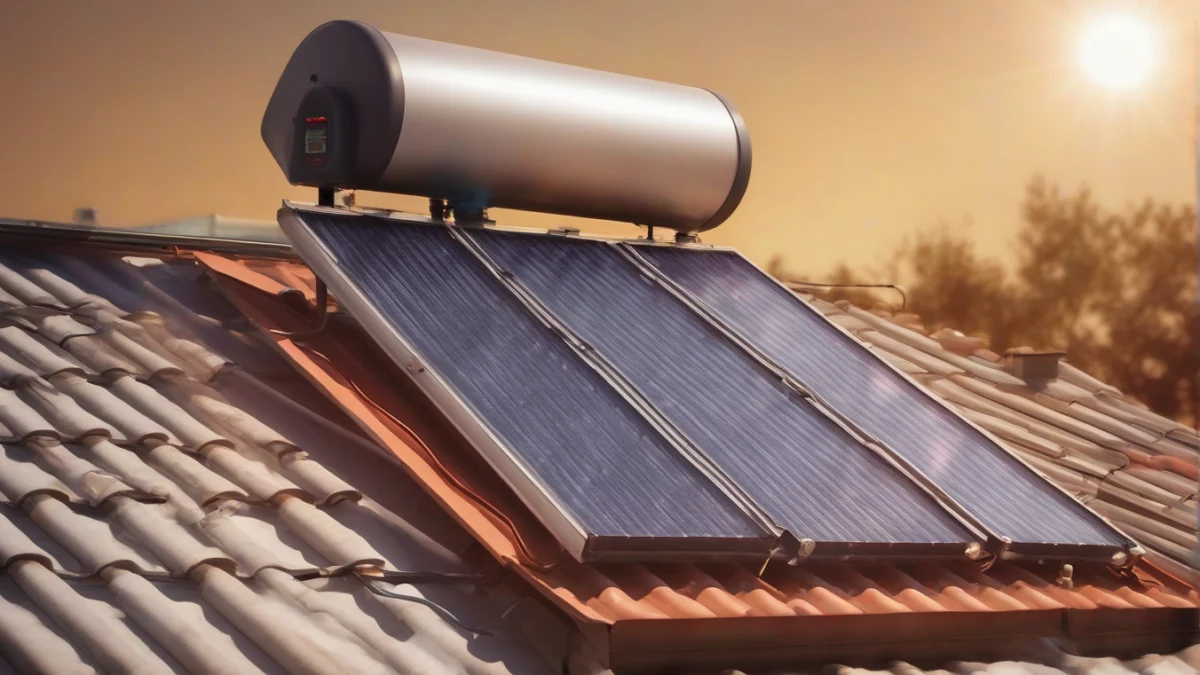
A typical solar water heating system consists of solar collectors mounted on the roof, a storage tank usually with extra insulation, and a controller that regulates pump operation in active systems. Labor covers mounting the collectors, plumbing connections, electrical wiring for active systems, and sometimes roof modifications.
Roof type plays a big role. Asphalt shingles are the easiest and cheapest to work with. Tile, metal, or slate roofs increase labor time and risk, pushing installation costs higher by 20% to 40%. Complex roof angles or limited access add further expense.
| Component | Estimated Cost Range |
|---|---|
| Solar collectors | Varies widely depending on system size and features |
| Storage tank | Depends on model type and installation complexity |
| Controller and pumps (active systems) | Ranges based on collector design and manufacturer |
| Installation labor and permits | Installation costs fluctuate with local labor rates and roof conditions |
Active and Passive Solar Water Heater Cost and Efficiency
Active solar water heaters cost more upfront but deliver higher thermal efficiency, typically between 50% and 70%. Passive systems, which rely on natural convection, cost less but only reach about 30% to 50% efficiency.
Active systems include pumps, controllers, and often closed-loop fluid circuits that circulate heat-transfer fluid between collectors and storage tanks. These components raise the price and complexity but ensure better heat capture and faster recovery, especially in cooler or cloudier climates.
Passive solar water heaters use simpler designs like integral collector-storage tanks or thermosiphon systems. These rely on gravity and natural circulation, meaning fewer parts and lower installation costs but less precise temperature control and slower heating.
| Feature | Active Systems | Passive Systems |
|---|---|---|
| Thermal Efficiency | 50%–70% | 30%–50% |
| Typical Cost Range | Typically falls within a broad range influenced by system capacity and tech | Cost varies according to system design and installer charges |
| Key Components | Pumps, Controllers, Heat Transfer Fluid | Integral Collector-Tank, No Pumps |
| Performance in Cold/Cloudy Weather | Better, with Boosters or Closed-Loop | Less Reliable |
Local Rebates and Incentives for Solar Water Heaters
Local rebates and federal tax credits can lower the upfront cost of solar water heaters by thousands of dollars. Certified solar water heater prices become much more affordable when you tap into these incentives.
The most common federal incentive is the Residential Renewable Energy Tax Credit, which covers up to 30% of the system and installation cost. To qualify, your solar water heater must be certified by the Solar Rating and Certification Corporation (SRCC), such as the OG-300 certification. This certification assures the system meets performance and quality standards.
States, counties and utilities often offer additional rebates or low-interest loans. These vary widely by location and may require the system to meet local energy efficiency criteria or be installed by a licensed professional.
Finding local programs is straightforward. Start with your state energy office website or your utility’s incentives page. You can also check the Database of State Incentives for Renewables & Efficiency (DSIRE). This step can uncover rebates that cover from a few hundred to several thousand dollars.
The impact on your overall project cost can be substantial. Federal tax credits can reduce the upfront price by about 30%. Local rebates may further lower your net expense by several hundred to over a thousand dollars, nearly halving the initial cost in some cases.
Reliable Local Solar Water Heater Brands and Models
Choosing a reliable solar water heater brand means balancing reputation, warranty, and local support. This keeps your system running smoothly and limits downtime.
Sunbank solar water heaters, like the 40 gallon model, stand out for durability with their 316L stainless steel tanks, which resist corrosion better than the 304 grade found in many competitors. They also carry SRCC OG-300 certification and use evacuated tube nickel-plated copper heat pipe collectors for efficient heat transfer.
ProLine solar water heaters are another reliable choice. They include 4,500-watt electric backup heating elements, which help maintain hot water during cloudy days or high demand. Their robust warranty coverage and national service network add peace of mind.
Durability depends on features like tank material, insulation type, and collector design. Models with polyurethane insulation and closed-loop systems with antifreeze protect better against heat loss and freezing damage, especially in colder climates.
Local availability of service and parts is crucial. Brands with nearby dealers or certified technicians reduce repair wait times and shipping costs. Ask your installer about warranty service options and whether local technicians are authorized.
For example, in many US regions, Sunbank and ProLine are top picks because they combine solid warranties, proven technology, and local dealer networks, making them reliable year-round.
Tank Size Effects on Solar Water Heater Performance and Cost
Solar water heater tank size matters because it directly influences both system cost and how well your household’s hot water needs are met. Typical tanks range from 30 to 80 gallons, with 40 gallons being a common size for a family of two to three.

A 40 gallon solar water heater tank typically costs between $700 and $1,200 for the tank alone, before installation. Larger tanks add to that cost and require more insulation to prevent heat loss. The Sunbank 40 Gallon model, for example, features a stainless steel tank known for corrosion resistance, which also affects price.
Matching tank size to daily hot water demand is key. Say your household uses about 50 gallons per day. A 40 gallon tank covers most daytime use, but if your water use spikes or you have a larger family, 60 to 80 gallon tanks reduce reliance on backup heating.
Backup heating often activates when the solar-heated water in the tank runs low. Larger tanks with good insulation—polyurethane foam is common—hold heat longer, cutting backup heater runtime and energy costs. Tanks with stainless steel or glass-lined interiors resist corrosion and maintain efficiency longer.
| Tank Size (Gallons) | Approximate Tank Cost |
|---|---|
| 30 | Varies by tank size and insulation quality |
| 40 | Depends on material and efficiency ratings |
| 60 | Fluctuates with brand and capacity |
| 80 | Installation pricing depends on local labor and complexity |
Maintenance Requirements for Solar Water Heater Systems
Solar water heater maintenance is mostly straightforward but varies between active and passive systems. Routine inspections and cleaning of the solar collectors and tank should happen annually to maintain efficiency.
Active systems, which use pumps and controllers, require occasional checks on electrical components and the backup electric heating element. These 4,500-watt elements often demand testing or replacement within 5 to 10 years.
Freeze protection maintenance is crucial in colder climates. Closed-loop systems need checking of antifreeze levels and condition yearly, while drainback systems require inspection of valves and pumps to ensure proper drainage when inactive.
Warranties vary but commonly cover tanks for 5 to 10 years, and collectors for up to 20 years. Regular maintenance often is a requirement to keep warranty coverage valid. Common repairs include fixing leaks, replacing pumps, or servicing backup heaters.
Regular upkeep translates into longer system life and sustained savings, especially in areas where sun exposure fluctuates seasonally. Backup heater maintenance extends the whole system’s reliability through winter or cloudy spells.
If you’re unsure about any maintenance step, a licensed technician can help with electrical and plumbing tasks, ensuring your solar water heater stays safe and effective.
Solar Water Heaters in Freezing Climates and Protection Methods
Solar water heaters can work in freezing climates if equipped with the right freeze protection system and installed properly to manage cold weather risks.
The main freeze risk comes from water inside the solar collectors or pipes freezing, expanding, and cracking the system. Two common freeze protection designs tackle this: closed-loop and drainback systems.
A closed-loop solar water heater system circulates a non-freezing heat transfer fluid—usually a propylene glycol antifreeze mix—through the collectors and heat exchanger. This fluid transfers heat to your domestic water without freezing, protecting the pipes and collectors from damage.
A drainback solar water heater system avoids antifreeze by draining water from the collectors into a reservoir when the pump stops, so no water remains in the exposed pipes to freeze. The system only circulates water when the sun is shining.
| Feature | Closed-Loop System | Drainback System |
|---|---|---|
| Freeze Protection | Uses antifreeze heat transfer fluid | Drains water to prevent freezing |
| Maintenance | Check antifreeze levels and condition | More moving parts, needs proper slope and installation |
| Cost | Typically higher initial cost due to fluid and heat exchanger | Moderate cost, but installation complexity can raise price |
Installers in cold regions recommend closed-loop or drainback systems because they prevent costly freeze damage. Pipes and collectors should be insulated and positioned to minimize exposure to wind and shade, which increase freezing risk.
Freeze protection adds to the upfront cost. Expect at least a few hundred dollars more for antifreeze, a heat exchanger, or the more complex plumbing and controls of drainback designs. However, these costs are small compared to the expense of repairing or replacing damaged collectors or pipes.
A well-designed system includes a solar controller that senses temperature and manages the pump to avoid freezing or overheating. This ensures the backup electric heating element only runs when needed, keeping running costs down and maintaining hot water even in winter.
Say your roof faces south and gets good winter sun. A drainback system will drain the water from collectors when the pump stops at night or on cloudy days, preventing freeze damage without antifreeze. The controller starts the pump only when the collector temperature is high enough to avoid freezing.
Closed-loop systems add a heat exchanger and antifreeze fluid. They carry a small efficiency penalty but provide continuous heat transfer even on cloudy days, with no risk of freezing inside the collector loops.
Freeze protection is essential in cold climates for solar water heaters to last and perform well. Systems designed for freezing weather cost more upfront but avoid expensive repairs and downtime, making them a practical choice for winter-ready hot water.
For more on choosing the right system type and understanding how solar water heaters work, see how solar water heaters work.
More Questions, Answered
What is the average cost to install a solar water heater locally?
How do active and passive solar water heaters differ in price and performance?
Can solar water heaters completely replace traditional water heaters?
What maintenance should I expect for a solar water heater system?

I am a mechanical engineer and love doing research on different home and outdoor heating options. When I am not working, I love spending time with my family and friends. I also enjoy blogging about my findings and helping others to find the best heating options for their needs.
Related guides

Explore the Top 5 Rheem 27kW Tankless Water Heaters You Didn’t Know You Needed
Struggling with hot water shortages? The best Rheem 27kW tankless water heater solves it instantly! The Rheem RTEX-27…
5 Lab Water Bath Heaters That Will Transform Your Experiments
Looking for the best lab water bath heater? Achieve precise temperature control for your experiments effortlessly! When it…
Chromex Tankless Water Heater Descaling Solution Review
Say goodbye to hard water issues! Find out how the Chromex Tankless Water Heater Descaling Solution can keep…
