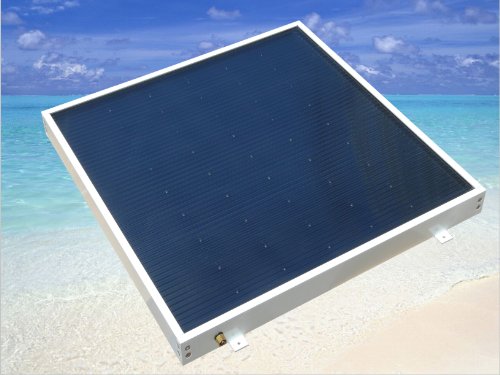
Local Solar Water Heater Cost Estimate: What to Expect
On this page 7 sections
- Estimate Local Solar Water Heater Cost Accurately
- Understand Active and Passive Solar Water Heater Differences
- Assess Roof Suitability and Installation Factors
- Calculate Running Costs, Maintenance, and Long-Term Savings
- Explore Financing, Incentives, and Installer Selection
- Decide What to Do Next Based on Your Situation
- Questions People Ask
A solar water heater converts sunlight into heat to warm your home’s water supply, often cutting water heating costs by up to 50%. Understanding the local cost involves more than just the sticker price—installation factors, roof suitability, and climate all play a role.
Getting the cost estimate wrong can mean overspending, installing a system that underperforms, or facing higher maintenance bills. Accurate budgeting ensures you maximize savings and comfort without surprises.
Estimate Local Solar Water Heater Cost Accurately
A local solar water heater typically costs between $3,000 and $7,000 before incentives, depending on system type, roof characteristics, and regional factors. Installation labor and materials add significantly to the final price, with active systems generally costing more than passive ones.
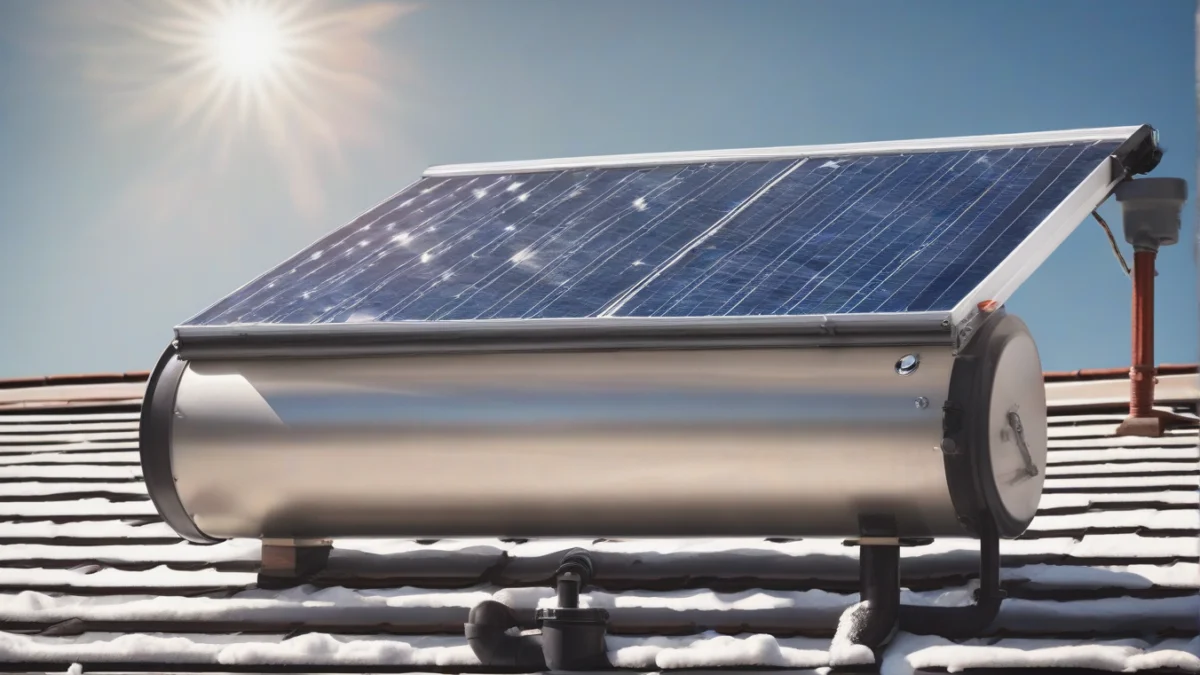
Active solar water heaters use electric pumps to circulate heat transfer fluids, pushing costs higher due to more components and complexity. These systems typically fall between $5,000 and $7,000 installed. Passive systems rely on natural convection and have fewer parts, so they usually range from $3,000 to $5,000.
| System Type | Typical Installed Cost Range |
|---|---|
| Active Solar Water Heater | Costs vary widely depending on system size and local labor rates. |
| Passive Solar Water Heater | Prices depend on system design and installation complexity. |
Regional variations go beyond the well-known higher costs in Hawaii. For example, installation in northern states often runs 10% to 20% higher than southern states due to colder climates requiring freeze protection features and more complex plumbing. Urban areas with higher labor rates can add several hundred dollars to the bill compared to rural locations.
Your roof type also influences cost. Asphalt shingle roofs are the least expensive to work with, while tile or metal roofs require specialized mounting hardware and can increase installation labor by 15% to 30%. Roof pitch and accessibility further affect labor time and cost.
Before incentives, expect to pay roughly $3,000 to $7,000 installed. Federal tax credits typically cover 30% of the system cost, and many states offer additional rebates or rebates from utilities. After incentives, your local solar water heater price can drop to between $2,100 and $4,900, depending on where you live and your chosen system.
Labor and material costs typically account for 40% to 60% of the total price. That includes plumbing, electrical work for active systems, mounting hardware, and permits. Expect a licensed plumber or HVAC technician for the install, which affects the hourly labor rate.
Active systems with electric pumps and indirect circulation (using antifreeze fluid) have higher upfront costs but provide better freeze protection and efficiency in colder climates. Passive systems are simpler and cheaper but suit milder climates better.
Getting an accurate local solar water heater cost estimate means factoring in system type, roof material and pitch, labor rates, and regional climate requirements. Start with the $3,000 to $7,000 range, then adjust based on your roof and local market.
If you want to explore how system efficiency and lifetime savings compare, check our detailed analysis on solar water heaters. For an overview of financing and incentives, see government solar heater incentives tax credits rebates.
Understand Active and Passive Solar Water Heater Differences
Solar water heater costs depend on system type and size, with active or passive choices influenced by your local climate and installation needs.

Active solar water heaters use electric pumps to circulate water or a heat transfer fluid through solar collectors and storage tanks. These pumps boost thermal efficiency to between 50% and 70%, making active systems more efficient than passive ones but also more complex and costly.
Passive systems rely on natural convection to move water without pumps. Water circulates when heated, rising to storage tanks by gravity. These systems have lower upfront costs but generally achieve lower thermal efficiency and are less suitable for freezing climates.
| Feature | Active System | Passive System |
|---|---|---|
| Circulation | Pump-driven | Natural convection |
| Thermal Efficiency | 50-70% | Lower, varies |
| Freeze Protection | Closed-loop with antifreeze or drainback | Limited, risk of freezing |
| Installation Cost | Higher | Lower |
| Best Climate | Colder or variable climates | Mild, frost-free areas |
| Backup Heating | Usually required | Usually required |
Active systems often use indirect circulation with antifreeze fluids like propylene glycol in closed loops to prevent freezing and corrosion. Passive systems usually have direct circulation, which limits their use to areas with mild winters.
Both types need backup heating for extended cloudy or cold periods. Insulated storage tanks provide hot water for 0.5 to 2 days without sun, but when that runs out, a conventional electric or gas heater kicks in.
Assess Roof Suitability and Installation Factors
For good solar water heater performance, your roof should face mostly south and get unobstructed sunlight for several hours daily, especially from mid-morning to mid-afternoon throughout the year.
Roof condition impacts installation cost. Older roofs with damaged shingles or weak structures may require repairs or reinforcements before mounting collectors, adding several hundred to a few thousand dollars to the total price.
Shading from trees, chimneys, or nearby buildings reduces solar gain and system efficiency. Even partial shading during peak sun hours can cut performance sharply.
Roof type matters too. Asphalt shingles are easiest and least expensive to work with. Tile, metal, or slate roofs require specialized mounting hardware and labor, increasing installation complexity and cost.
Installation time varies but generally takes 1 to 3 days depending on roof complexity and system type. Active systems with pumps and controllers take longer than passive systems.
Local solar water heater installation cost estimates typically add between $1,000 and $3,000 to system prices, depending on roof condition, type, and labor rates.
 Water Heater Owner's ToolkitFix the common faults yourself, keep it running for years, and know when a repair is money wasted.No-hot-water flowcharts, gas and electricFlush, anode, relief valve and descaling stepsRepair-or-replace calculator (Excel)
Calculate Running Costs, Maintenance, and Long-Term Savings
Solar water heater cost estimate extends beyond installation to include maintenance and energy savings, which can significantly affect your total investment. Expect maintenance costs to average $100 to $200 annually, mostly for inspections and minor repairs.

Energy savings come from reduced utility bills. Solar systems typically cut hot water heating costs by 50% to 80%, depending on your location and system efficiency. Since water heating accounts for about 18% of home energy use, cutting it in half can save hundreds of dollars each year.
| Factor | Typical Cost or Frequency |
|---|---|
| Annual Maintenance | Typical annual maintenance expenses include inspections and fluid checks. |
| Antifreeze Replacement | Every 3–5 years |
| System Lifespan | 20–30 years |
| Performance Degradation | About 0.5% per year |
Indirect circulation systems use antifreeze fluids like propylene glycol to prevent freezing. This fluid needs replacement every 3 to 5 years to maintain heat transfer efficiency and prevent corrosion. Regular checks ensure the closed-loop system remains sealed and leak-free.
The system’s performance gradually declines by roughly 0.5% annually due to wear and environmental exposure. Still, with lifespans between 20 and 30 years, solar water heaters remain a durable choice.
Payback periods vary by region. Sun-rich areas may see a return in 5 to 7 years, while less sunny climates might stretch to 10 years or more. Factoring in local energy costs and incentives shortens this period.
Explore Financing, Incentives, and Installer Selection
Government solar heater incentives tax credits rebates often reduce your local solar water heater cost estimate by thousands. The federal solar investment tax credit (ITC) currently offers 30% off your system cost, and many states add rebates or credits.
| Incentive Type | Description |
|---|---|
| Federal Tax Credit | 30% of system cost, claimed on income taxes |
| State Rebates | Some programs offer upfront financial incentives, which vary by location and eligibility. |
| Instant Rebates | Applied by installers reducing upfront price |
| Financing Programs | Low-interest loans like Hot Water, Cool Rates |
Financing programs such as Hot Water, Cool Rates provide low-interest loans specifically for solar water heaters, spreading cost over years with manageable payments. These programs often require certified installers and proof of eligibility for incentives.
Decide What to Do Next Based on Your Situation
After getting your local solar water heater cost estimate, the next steps focus on confirming that solar heating fits your home and budget. Start by gathering at least three quotes from local installers to compare prices and system options. Installation costs vary widely by region and roof complexity, so multiple bids help you spot a fair price and identify the best contractor.