
Infrared space heaters are highly efficient, converting up to 100% of energy into heat, leading to significant cost savings on energy bills compared to traditional heaters.
Infrared space heaters offer a unique heating solution that combines energy efficiency with targeted warmth. Unlike traditional heaters that warm the air, infrared models heat objects and people directly, mimicking the sun’s natural heating process. This approach leads to significant cost savings while providing superior comfort.
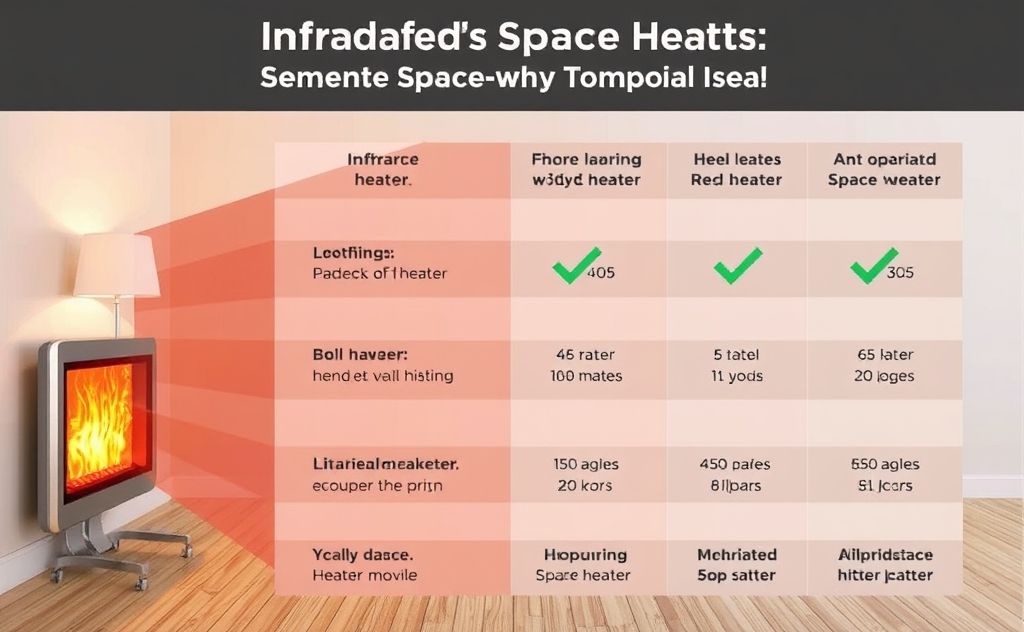
How Infrared Heaters Achieve 85-100% Efficiency
Infrared heaters operate at near-perfect efficiency because they convert nearly all electricity into usable heat. Traditional convection heaters lose energy through ductwork and air circulation. Infrared models eliminate these losses by:
- Heating objects directly rather than air
- Operating without fans or blowers
- Providing instant warmth without preheating
The Heat Storm Phoenix infrared heater exemplifies this efficiency, using quartz tubes to deliver focused warmth with minimal energy waste.
The Science Behind Infrared Heating
Infrared radiation falls between visible light and microwaves on the electromagnetic spectrum. These long waves penetrate surfaces up to 1-2 inches deep, creating warmth that radiates back into the environment. This process explains why you feel warm in sunlight even on cold days.
Real-World Cost Savings of Infrared Heaters
Infrared heaters can reduce heating bills by 30-50% when used properly. Consider these comparisons:
| Heater Type | Average Monthly Cost | Efficiency |
|---|---|---|
| Infrared (1500W) | $60 | 85-100% |
| Ceramic (1500W) | $75 | 70-85% |
| Oil-Filled (1500W) | $80 | 60-75% |
These savings come from several factors:
- Ability to lower thermostat settings by 5-10°F while maintaining comfort
- No heat loss through ducts or ventilation
- Zone heating capabilities that focus warmth where needed
Smart Heating for Maximum Savings
Pairing infrared heaters with smart thermostats or app-controlled systems can optimize energy use. Programmable settings ensure heaters only operate when needed, while motion sensors can activate warmth when people enter a room.
Infrared vs. Traditional Heating Systems
Unlike forced-air systems that circulate dust and allergens, infrared heaters provide cleaner heat. They also avoid the dry air associated with conventional heating. Key differences include:
- Heat Distribution: Infrared warms objects directly while convection heats air
- Response Time: Infrared provides instant warmth vs. gradual heating
- Air Quality: Infrared doesn’t circulate dust or reduce humidity
For outdoor spaces, infrared’s directional heating makes it particularly effective. The warmth stays focused on people rather than dissipating into open air.
Choosing the Right Infrared Heater
Consider these factors when selecting an infrared heater:
- Wattage: 1500W suits most rooms (about 150 sq ft)
- Portability: Wheeled units offer flexibility for zone heating
- Safety Features: Look for tip-over switches and cool-touch surfaces
- Durability: Quartz and ceramic elements last longer than metal coils
Infrared technology continues evolving, with newer models offering improved efficiency and smart features. By understanding how these heaters work and their cost-saving potential, you can make an informed decision for your heating needs.
