

Most people expect a heater to warm the room air first, then the room, then them. Infrared skips that middle step, which is why a panel can feel effective in a drafty room while the thermostat still looks unimpressed.
The common mistake is buying one for whole-room heating and then running it long enough to erase the bill savings. A 1,500 W heater uses 1.5 kWh per hour, so if you use it for 8 hours a day at 17 cents per kWh, that is about $2.04 a day before any other load.
Infrared Radiators Explained
An infrared radiator heats people and objects directly rather than warming the air first. The heater sends invisible infrared energy—the same wavelength you feel from sunlight—across the room to your skin, the floor, the desk and the walls, which absorb that energy and grow warm.
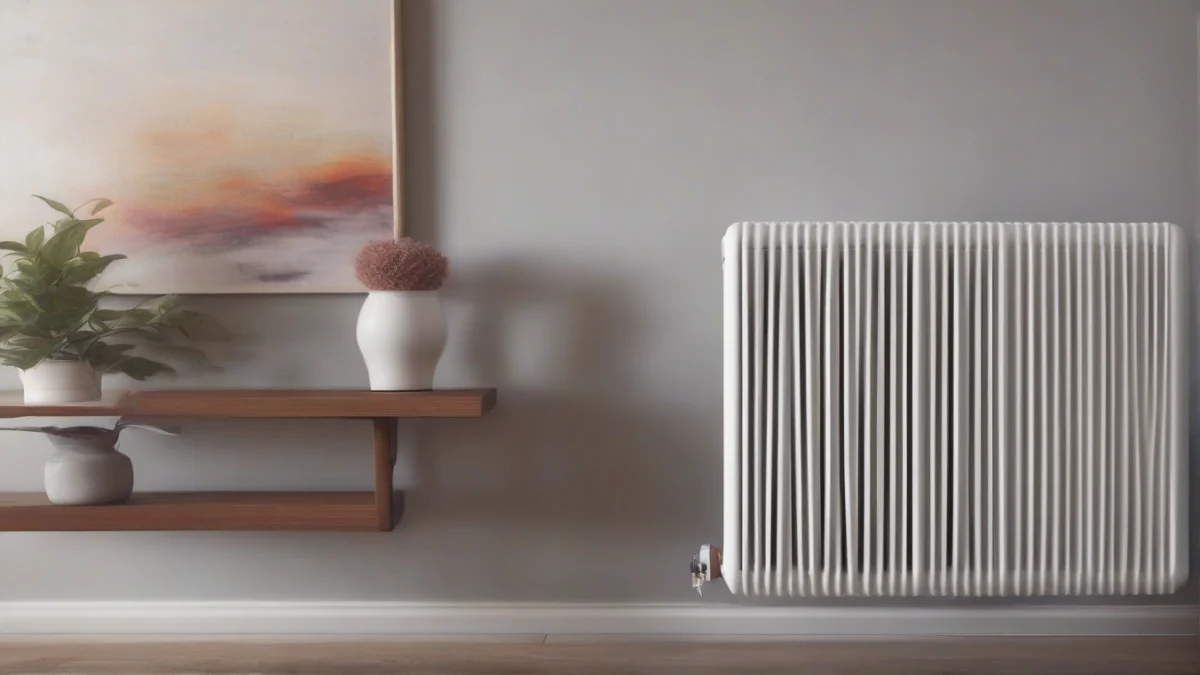
This is radiant heat, and it behaves differently than convection. A forced-air heater or an oil-filled radiator warms air, which then rises and mixes slowly around the room. An infrared unit skips that step. Point it at a chair three feet away and you’ll feel warmth in seconds, even though the air between you and the heater stays cool. The catch: if something blocks the path—a bookshelf, a stack of boxes—that shadow stays cold.
Once the infrared energy reaches a surface, that surface radiates warmth into the air around it. Over time the room does heat up, but the direct effect comes first. That’s why how infrared heating works suits a desk, a workbench, or a spot in a garage where you need comfort now, not twenty minutes from now.
| Type | How it feels | Air movement | Best use |
|---|---|---|---|
| Infrared radiator | Immediate on skin and clothes | None | Desks, workshops, spot heating |
| Oil-filled radiator | Gentle, room-wide after 30+ min | Slight natural convection | Bedrooms, living rooms |
| Forced-air heater | Fast air warmth, uneven | Fan noise and circulation | Quick bursts, small enclosed spaces |
Running cost follows the same rule as any electric heater: watts matter, not the heating method. A 1,500 W infrared unit and a 1,500 W oil-filled radiator cost the same to run at the same setting for the same hours. The difference is that you may turn the infrared heater off sooner because you feel warm sooner, and you can aim it only where you sit instead of heating the whole room.
Infrared suits spaces where you stay put: a home office chair, a mechanic’s corner of a two-car garage, a bathroom getting ready in the morning. It struggles in open, drafty rooms or anywhere people move between zones, because the warmth doesn’t follow you. A living room with three people on three different sofas will feel uneven unless you mount multiple units or accept that only the person in the beam stays warm.
Why The Heat Feels Different

Infrared warms your skin and the objects around you—the chair, the floor, the wall behind the desk—while the air between you and the heater stays cooler. You’ll feel the heat within seconds of switching on, long before a thermometer on the opposite wall registers much change. That directness is why a 1,500 W infrared panel can feel more comfortable than a 1,500 W convection heater in the same room, even though both pull the same power and release the same total BTU.
Step out of the beam path or sit behind a tall bookcase, though, and the warmth drops off. Infrared travels in straight lines, so corners and furniture shadows stay cooler until warmed objects begin radiating heat back into the room. Open doorways and drafts make the contrast sharper: your face feels warm while your ankles stay cold if air is moving across the floor.
Panel-style and quartz-tube infrared units run nearly silent because most designs skip the fan. You won’t hear the hum or rattle that marks a forced-air heater, which matters in a bedroom or a home office during video calls. Ceramic tower infrared heaters do use a low-speed fan to spread warmth faster, so they’re quieter than a typical space heater but not silent.
Thermostat placement matters more with infrared than with convection heat. Mount the sensor where people actually sit, not across the room in the coldest corner, or the unit will cycle off before you feel warm. Some panels let you adjust the angle; aim the face toward the seating area rather than the ceiling.
Where Infrared Fits And Where It Does Not
Infrared works best when you’re trying to heat a person in a fixed spot, not an entire drafty room. Picture a desk chair, a garage workbench, or the corner of a couch where you sit most evenings. Point the heater there and you’ll feel warm in minutes, even if the air ten feet away stays cold. Try to heat a large open-plan living room or a leaky sunroom with one infrared panel and you’ll spend more watts than an radiator space heater would use to lift the whole room a few degrees.
Line of sight matters. If a couch, filing cabinet or storage rack sits between you and the heater, the infrared can’t reach you—it heats the obstacle instead. Move the furniture or move the heater. Oil-filled radiators don’t have that problem: they warm the air, which circulates around obstacles. They take longer to feel warm but deliver more even heat once the room settles, so they’re often better for bedrooms you occupy for hours or family rooms where people move around.
| Use case | Infrared suits it | Oil-filled radiator suits it |
|---|---|---|
| Home office, fixed desk | Yes | Yes, but slower start |
| Bedroom, occupied 8 hours | Sometimes | Yes |
| Garage workbench | Yes | No, air escapes fast |
| Living room, people moving | No | Yes |
| Bathroom, quick morning warmth | Yes | No, too slow |
| Workshop with open doors | Yes, if aimed at you | No |
Bedrooms can go either way. If you’re getting into bed and want to feel warm while you read, an infrared panel near the headboard works well. Once you’re under blankets the heater matters less, so some people switch it off or let the thermostat drop. For someone who wants the whole room at 68°F all night, an oil-filled radiator heats more evenly and won’t shine light or glow at you while you sleep.
Garages, workshops and uninsulated spaces suit infrared because you don’t need to warm thousands of cubic feet of air that leaks out every time the door opens. Aim the heater at the workbench or the car hood you’re leaning over and you’ll stay comfortable without waiting for the whole garage to catch up. Open-plan kitchens, high-ceiling lofts and rooms where kids run around don’t suit infrared as well—nobody stays in the beam long enough to feel the benefit.
Panel heaters mounted on a wall near a sofa or breakfast nook can keep one person warm while the thermostat for the rest of the house stays at 62°F. That’s the real advantage: you heat the zone you occupy and leave the rest alone. If everyone’s spread across three rooms, though, you’ll need three heaters or a different approach.
Safety And Placement Rules
Plug your infrared portable heater straight into a wall outlet, keep three feet of clearance on all sides, and leave extension cords and power strips out of it. Most plug-in infrared units draw 1,500 watts—about 12.5 amps—which is close to the limit of a standard 15-amp circuit, and adding a cord or strip raises resistance and fire risk.
Look for a UL, ETL or CSA listing on the label, plus tip-over and overheat shutoffs. Tip-over protection cuts power when the unit falls or tilts past a certain angle; overheat protection shuts the element down before internal parts reach a dangerous temperature. Both features matter if you have kids, pets or late-night dozing habits.
Furniture in front of an infrared radiator blocks the heat and wastes watts. The whole point is line-of-sight warming; a sofa back or desk panel stops the rays before they reach you, so the room stays cold and the heater runs longer.
Bearings matter in fan-forced infrared heaters, where a blower moves air past the element. A worn bearing squeals, rattles or seizes, and the fan stops. Pure radiant panels have no moving parts and no bearings to fail.
When the unit won’t heat or trips the breaker every time, the fault could be a burned-out element, a frayed cord, a failed thermostat or a weak outlet. Swapping parts without testing voltage and continuity often costs more than calling someone who owns a multimeter and knows which wire does what.
Running Cost And Efficiency
Infrared heating costs follow the same arithmetic as any electric heater: divide watts by 1,000, multiply by the hours you run it and the price per kilowatt-hour your utility charges, and you have the daily or monthly bill. A 1,500-watt infrared panel costs exactly as much to run as a 1,500-watt oil-filled radiator or ceramic tower if they’re on for the same number of hours.
| Heater | Watts | Per hour | Per day (8 h) | Per month (30 days) |
|---|---|---|---|---|
| 1,500 W infrared panel | 1,500 W | 26¢ | $2.04 | $61.20 |
| 600 W infrared panel | 600 W | 10¢ | 82¢ | $24.48 |
| 100 W heated blanket | 100 W | 1.7¢ | 14¢ | $4.08 |
Efficiency isn’t about magic; it’s about where the heat ends up. Infrared warms the person in the chair without heating the whole room, so in a workspace, garage or bedroom corner, a 600- or 800-watt panel may keep you comfortable when a convection heater would need 1,500 watts to lift the air temperature enough. That gap shows up on the bill.
Oil-filled radiators heat the air and rely on convection currents to spread warmth. In a small, enclosed room with someone sitting anywhere, the oil radiator can match infrared for comfort at the same wattage. In a drafty garage or a large open room where you occupy one corner, the infrared panel delivers heat where you need it and the oil radiator heats air that drifts away.
Room size and line-of-sight use decide whether a lower-watt infrared unit will do the job. A 300-square-foot bedroom with one person at a desk may stay comfortable with a 600-watt panel aimed at the chair; the same room with three people spread out will feel cold unless you add watts or switch to a convection heater that lifts the whole air temperature.
Before You Buy Or Call For Help
Test whether your infrared heater works by plugging it into a known-good outlet, setting the thermostat above room temperature, and watching for the indicator light and the visible glow from the element—most tubes or panels glow orange or red within thirty seconds. Run through the buying or troubleshooting checklist that fits your situation before you spend money or call someone in.
Frequently Asked Questions
How do infrared radiators work?
What is the principle of infrared radiation heating?
Does infrared radiation heat objects directly?
What is the difference between infrared and radiator heating?
Can you place furniture in front of an infrared radiator?
How do I test whether an infrared radiator is working or not working?
Why does infrared radiation feel warm?

HeaterGuides covers home heating, water heating and HVAC: how the equipment works, what it costs to run, and how to use it safely.