HVAC system temperature calibration ensures accurate temperature readings and efficient operation, enhancing comfort and energy efficiency in your space.
Proper HVAC temperature calibration ensures system accuracy, energy efficiency, and occupant comfort. This guide covers everything from sensor types to calibration techniques used by professionals.

Landtek
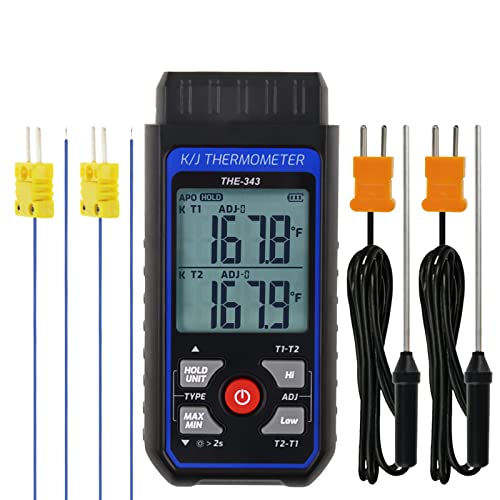
Dual-Channel K/J Thermocouple Thermometer with 4 K-Type…
- 【Dual Channels for Differential Temperature】Landtek thermocouple thermometer provides dual-channel temperature simultaneous measur…
- 【Ultra-wide Temperature Measurement Range 】The main unit of thermometer's measuring range is from -328 to 2501°F(-200 to 1372°C),…
- 【Hi/Lo Alarm】Features with Hi and Low Flash Alarm function, which can let you instant know of the current measuring values are ove…
Why HVAC Temperature Calibration Matters
Accurate temperature readings are critical for HVAC performance. Uncalibrated systems waste energy and create uncomfortable environments.
Key Benefits of Proper Calibration
- Reduces energy consumption by 10-20%
- Maintains consistent comfort levels
- Prevents premature equipment failure
- Ensures compliance with industry standards
Types of HVAC Temperature Sensors
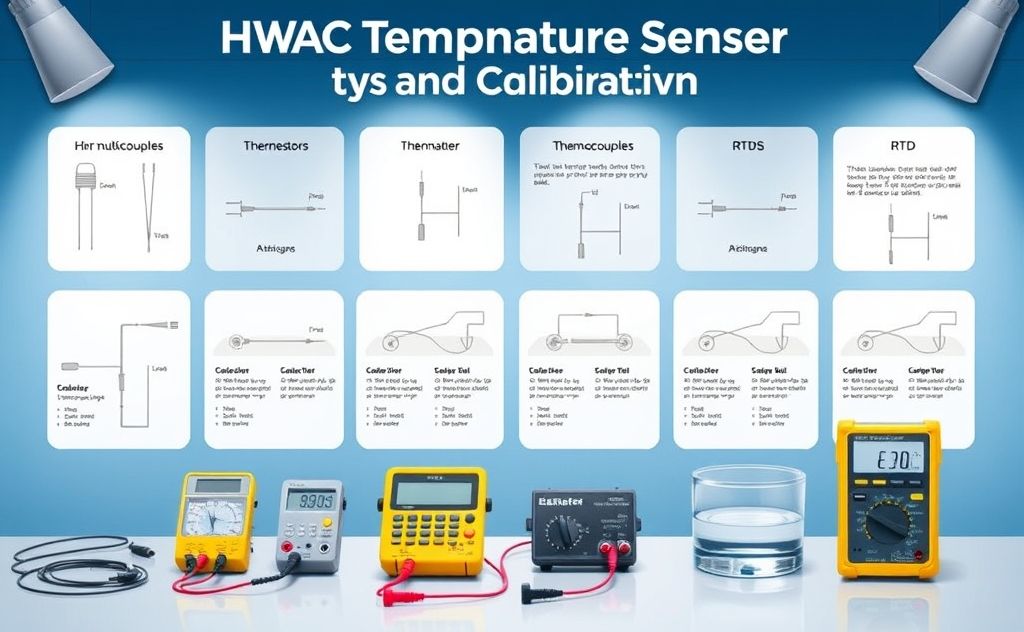
Different sensors serve specific purposes in HVAC systems. Understanding these helps with proper calibration.
Room Temperature Sensors
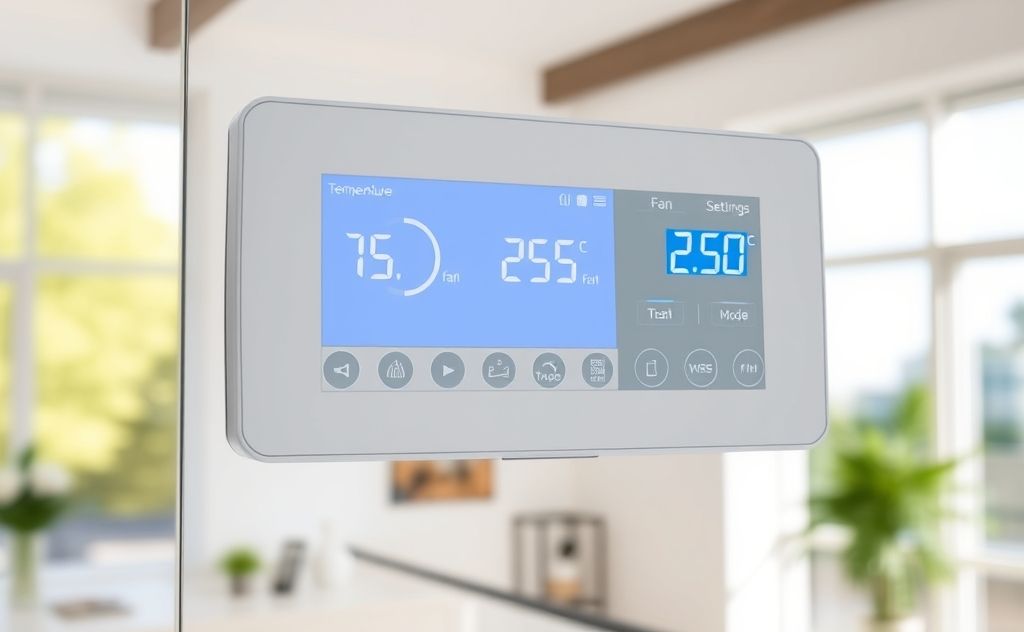
These wall-mounted devices monitor individual space conditions. They’re often connected to smart thermostats for zoned climate control.
Duct Temperature Sensors
Located within air handlers and ductwork, these measure supply/return air temperatures. They’re essential for proper airflow balancing.
Outdoor Air Sensors
These external devices help systems adjust to weather changes. They’re crucial for efficient operation in all climates.
Calibration Methods and Tools
Professional technicians use specific techniques to ensure accurate temperature readings.
| Tool | Purpose | Accuracy |
|---|---|---|
| Infrared Thermometer | Non-contact surface temp readings | ±1°C |
| Digital Thermocouple | Precision air temperature | ±0.5°C |
| Data Logger | Long-term monitoring | ±0.3°C |
Step-by-Step Calibration Process
- Compare sensor reading to NIST-traceable reference
- Note any deviation from expected values
- Adjust sensor output or replace if necessary
- Verify accuracy across operating range
- Document all calibration results
Common Calibration Challenges
Several factors can affect temperature sensor accuracy in HVAC systems.
Sensor Drift
Over time, sensors naturally lose accuracy. The ASHRAE recommends annual calibration checks for critical systems.
Environmental Factors
Dust, vibration, and electromagnetic interference can all impact sensor performance. Proper installation is key to minimizing these effects.
Advanced Calibration Techniques
Modern HVAC systems use sophisticated methods to maintain accuracy.
Automated Calibration Software
Tools like TRNSYS 18 can predict temperature patterns with ±0.79°C accuracy, helping identify system faults.
Machine Learning Approaches
Some systems now use AI to continuously adjust calibration based on historical performance data and environmental conditions.
Maintaining Calibration Accuracy
Regular maintenance ensures long-term sensor reliability.
- Clean sensors quarterly to prevent dust buildup
- Check wiring connections annually
- Verify calibration after any system modifications
- Keep detailed maintenance records
Proper HVAC temperature calibration requires the right tools and knowledge. By following these guidelines, you can ensure optimal system performance and energy efficiency.
Related pick: Check today's price on Amazon

I am a mechanical engineer and love doing research on different home and outdoor heating options. When I am not working, I love spending time with my family and friends. I also enjoy blogging about my findings and helping others to find the best heating options for their needs.
Related guides

Efficient HVAC Temperature Control: Troubleshooting Tips
Troubleshoot HVAC temperature control effectively. Solve issues with expert tips. Keep your space comfortable. Get actionable solutions now!
HVAC vs Refrigeration: Key Differences Explained
HVAC (Heating, Ventilation, and Air Conditioning) focuses on indoor climate control, while refrigeration specifically deals with cooling and…
HVAC Cost for 1200 Sq Ft House: 2026 Pricing Guide
The average HVAC cost for a 1200 sq ft house ranges from $3,500 to $7,500, depending on the…