To winterize a hot water heater, turn off the power or gas supply, drain the tank completely, disconnect the water supply, and insulate exposed pipes to prevent freezing, ensuring your system remains protected during cold months.
Winterizing your hot water heater is crucial to prevent freezing, bursting pipes, and costly damage. Proper winterization protects your investment and ensures reliable hot water when temperatures drop.

Camco
Camco Camper/RV Water Heater By-Pass Kit -…
- Save Antifreeze: Camco’s Supreme Permanent RV Hot Water Heater Bypass Kit efficiently bypasses your camping water heater, saving 6…
- Compatibility: Perfect for 6-gallon RV water heater tanks, this camper accessory fits 1/2″-14 NPT tapered threads and includes dur…
- Install Permanently: Mount this camper essential once to eliminate repeated disconnections and speed up every RV winterizing sessi…
Why Winterizing Your Water Heater Matters
Failing to winterize can lead to:
- Cracked tanks from frozen water expansion
- Damaged pressure relief valves
- Split drain valves
- Flooding when ice melts in spring
According to RV mechanics in Alberta (where temps reach -25°C), drained water heaters rarely crack even in extreme cold. The key is removing most water to allow expansion space.
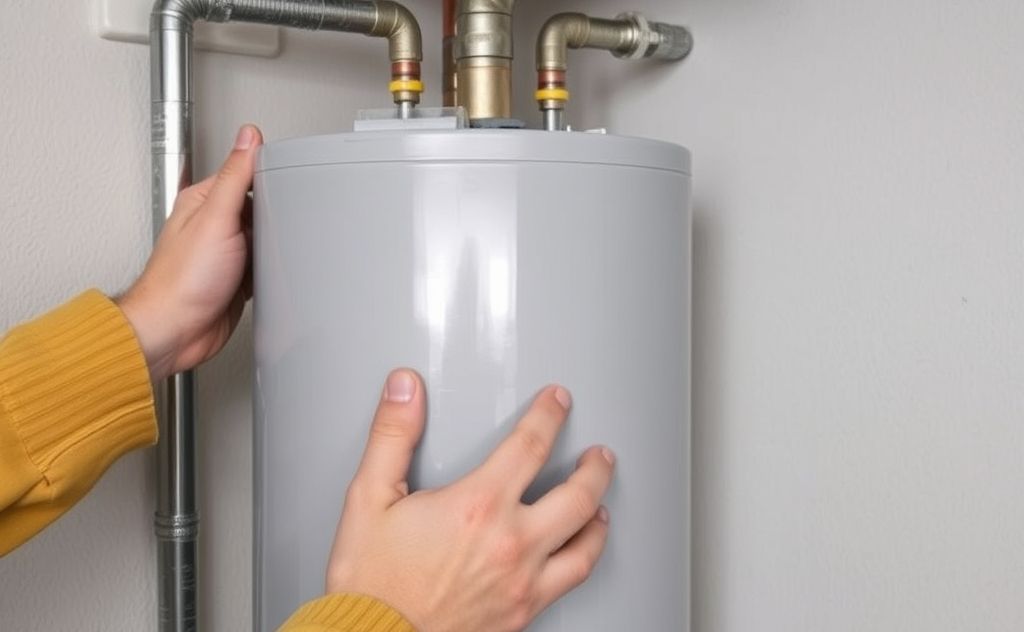
Step-by-Step Winterization Process
1. Turn Off Power and Water Supply
Start by shutting off:
- Electricity at the breaker panel (for electric heaters)
- Gas supply valve (for gas heaters)
- Cold water intake valve
2. Drain the Tank Completely
Follow these steps:
- Connect a garden hose to the drain valve
- Run hose to floor drain or bucket
- Open drain valve and let water flow out
- Open pressure relief valve to speed drainage
- For stubborn water, blow compressed air through hot water lines
3. Bypass the Water Heater (For RV/Boats)
Install a bypass kit to:
- Prevent antifreeze from entering tank
- Make spring startup easier
- Save on antifreeze costs
Additional Winter Protection Measures
Insulate Pipes and Tank
Use foam pipe insulation on all exposed pipes. For the tank itself:
- Install an insulated water heater blanket
- Build an insulated enclosure (keep 18″ clearance from gas units)
- Focus on pipes in unheated spaces like basements
Adjust Temperature Settings
For seasonal use:
- Set thermostat to 60°F if maintaining heat
- For vacation homes, drain completely
- Normal operating temp: 120°F (prevents scalding)
Tankless Water Heater Winterization
Special considerations for tankless units:
- Power off the unit
- Isolate with service valves
- Remove drain plugs
- Use compressed air to blow out remaining water
- Consider installing freeze protection kits
When to Call a Professional
Seek help for:
- Hard-to-reach drain valves
- Signs of existing damage
- Complex plumbing systems
- If you’re uncomfortable with gas lines
For extreme climates, the U.S. Department of Energy recommends annual professional inspections. Regular maintenance can extend your heater’s life by years.
Spring Startup Checklist
When reopening your property:
- Close all drain valves
- Remove bypass if installed
- Slowly refill tank before restoring power
- Check for leaks at all connections
- Flush system until water runs clear
Remember that cold weather affects water heaters differently based on type and installation. Gas units need proper venting, while electric models may require circuit upgrades for winter demands.
Related pick: Check today's price on Amazon

I am a mechanical engineer and love doing research on different home and outdoor heating options. When I am not working, I love spending time with my family and friends. I also enjoy blogging about my findings and helping others to find the best heating options for their needs.
Related guides
Fogatti Tankless Water Heater Reviews & Buyer’s Guide
Looking for a reliable on-demand hot water system can feel overwhelming. You're not just buying an appliance; you're…

Best Combination Boiler Hot Water Heaters: Top 5 Efficient Models
Choosing the best combination boiler hot water heater provides instant, energy-efficient hot water for drinks and cooking, simplifying…
What Size Breaker for Electric Water Heater? (30-50A Guide)
For an electric water heater, typically a 30 amp double-pole breaker is recommended, but always check the manufacturer's…