

To use a clinical thermometer, place it under the tongue, armpit, or rectum, wait for the beep, then read the temperature displayed on the screen.
Taking an accurate body temperature is essential for detecting fevers and monitoring health conditions. Whether you’re using a digital, infrared, or glass thermometer, proper technique ensures reliable results. This guide covers all methods with expert tips.
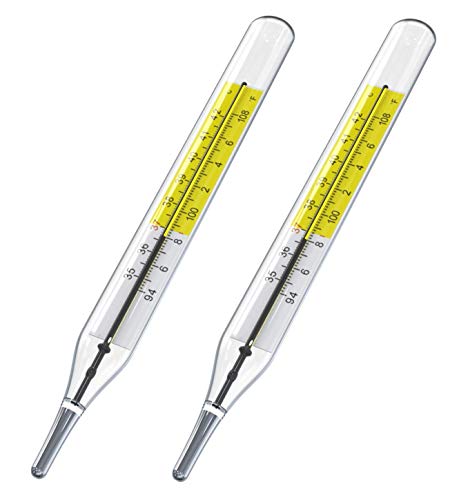
SEABOOM
Glass Thermometer Mercury Free Clinic Traditional Dual…
- In winter, all liquid will be in the bulb as it will show room temperature. You can use it without shaking it the first time when…
- It is designed to have a stop feature in the tube, this helps you to lock the data. It can rise, but it can't go down automaticall…
- Change the view angle slightly 3 to 5 degrees by rotating the thermometer, so you can easily read your temperature.
Types of Clinical Thermometers
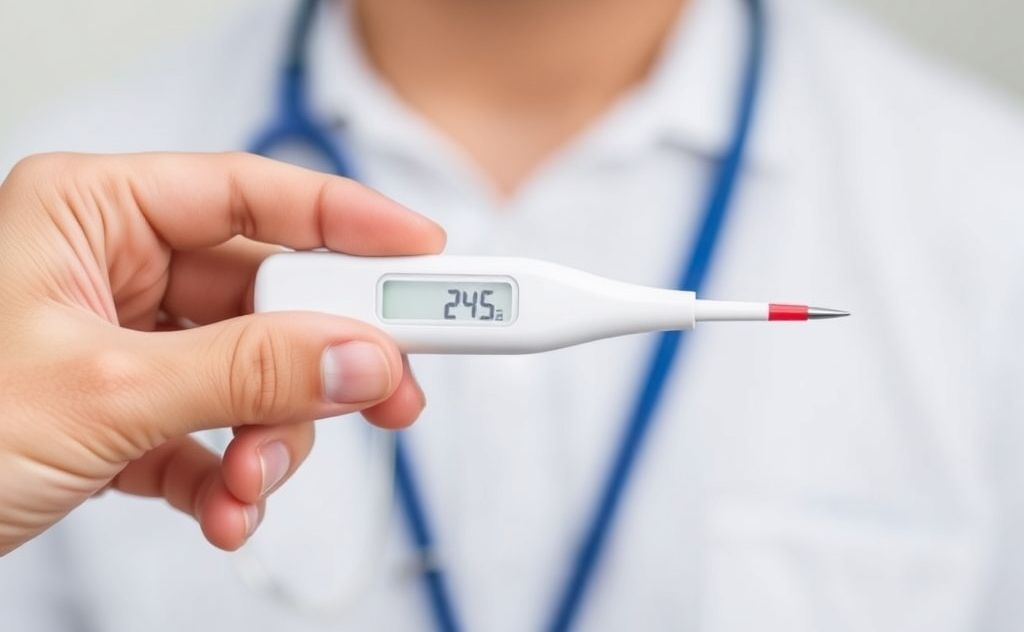
Modern thermometers come in several designs, each with specific advantages:
- Digital oral/rectal thermometers – Most common type with fast readings
- Temporal artery thermometers – Infrared scanners for forehead use
- Tympanic thermometers – Ear canal measurement devices
- Axillary thermometers – Designed for underarm placement
- Non-contact infrared – Measures surface temperature from distance
According to Verywell Health, digital and infrared models are now preferred over traditional glass thermometers due to safety concerns.
Preparation Steps
Cleaning the Thermometer
Always disinfect before and after use:
- Wipe with 70% isopropyl alcohol swab
- Rinse under cool water if using soap
- Dry completely with clean cloth
Choosing Measurement Site
The National Institutes of Health notes these accuracy rankings:
| Method | Accuracy |
|---|---|
| Rectal | Most accurate |
| Oral | High |
| Tympanic | Moderate |
| Axillary | Least accurate |
Taking Temperatures by Method
Oral Measurement
Best for cooperative adults and children over 4:
- Place under tongue to one side
- Close lips gently around thermometer
- Wait for beep (usually 30-60 seconds)
- Read display while still in place
Axillary (Underarm) Method
Good for infants and uncooperative patients:
- Wipe armpit dry if sweaty
- Place thermometer tip in center
- Hold arm firmly against body
- Wait full time (often 2-3 minutes)
Temporal Artery Scanning
Fastest method for all ages:
- Hold thermometer 1-2 inches from forehead
- Press scan button
- Slowly move across temple area
- Add 1°F to forehead readings for oral equivalent
Special Considerations
For Infants
The American Academy of Pediatrics recommends:
- Rectal method for under 3 months
- Use digital thermometer with flexible tip
- Never leave unattended during measurement
Glass Thermometer Safety
If using older mercury models:
- Inspect for cracks before use
- Shake down below 96°F (35.5°C)
- Hold firmly at end opposite bulb
- Dispose properly if broken
Interpreting Results
Normal ranges vary by method:
- Oral: 97.6-99.6°F (36.4-37.5°C)
- Rectal: Add 1°F to oral readings
- Axillary: Subtract 1°F from oral
- Temporal: Similar to rectal
Contact a healthcare provider for:
- Infants under 3 months with 100.4°F+ (38°C+)
- Children with 104°F+ (40°C+)
- Adults with 103°F+ (39.4°C+) lasting over 48 hours
Related pick: Check today's price on Amazon

I am a mechanical engineer and love doing research on different home and outdoor heating options. When I am not working, I love spending time with my family and friends. I also enjoy blogging about my findings and helping others to find the best heating options for their needs.
Related guides

Thermometer Lifespan: How Long Do They Really Last?
The lifespan of a thermometer varies by type, but most digital thermometers last about 5-10 years, while glass…

Mercury & Digital Thermometers: Environmental Impact
We use thermometers to check a fever or the weather. But we rarely think about their environmental footprint.…
Analog vs Digital Thermometers: Key Differences Explained
The difference between analog and digital thermometers lies in their display methods: analog thermometers use a dial and…
