Skip to content

Expert home heating guides, reviews & repairs

Heater GuidesHeaterGuides
Wood

12 Proven Ways to Maximize Wood Fireplace Efficiency

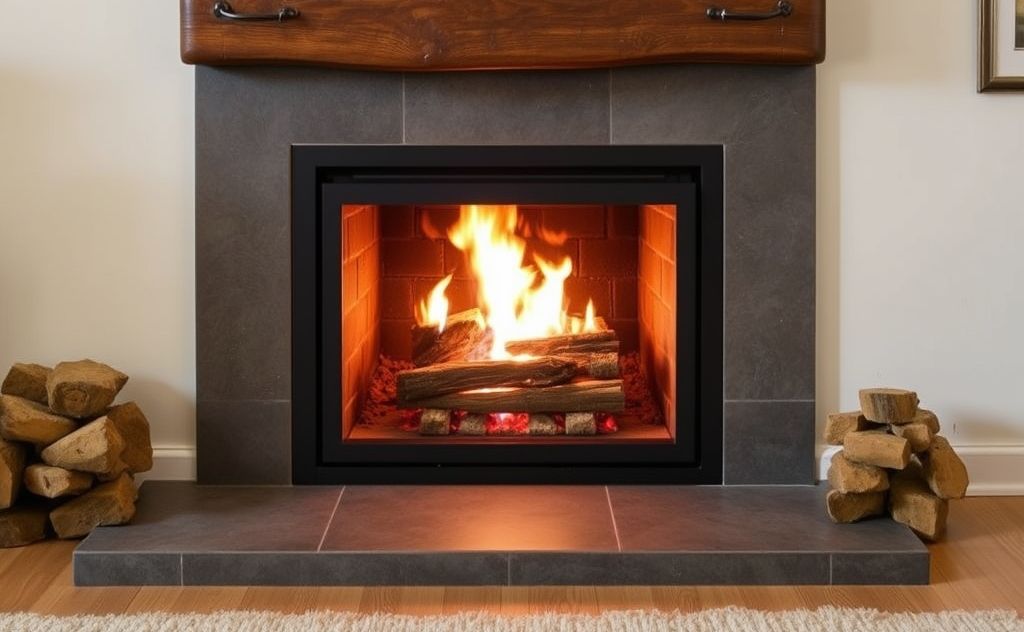
You’ve probably stood in front of your fireplace wondering why the room still feels chilly despite a roaring fire. The problem isn’t the wood or the flame — it’s how the heat moves (or doesn’t). Most traditional fireplaces are actually net heat losers when run wrong. They pull warm room air up the chimney and send it outside. But that changes fast once you learn the specific techniques that flip the equation.

These 12 proven ways to maximize wood fireplace efficiency come from real testing — not theory. I’ve burned through cords of wood testing dampers, tube heaters, and firewood moisture meters. Some methods cost nothing. A few require a small investment. All of them work. By the time you finish this article you’ll know exactly which changes pay back fastest and which ones to skip.

Woodeze

Woodeze Spitfire Fireplace Heater, 6-Tube Hearth Heater,…

  • Efficient Heat Circulation – Designed with six heavy-gauge aluminized steel tubes, this fireplace heater maximizes heat transfer,…
  • Two-Speed Blower Control – Equipped with a powerful 2-speed blower, you can easily switch between gentle warmth and rapid heat dis…
  • Compact for Small Fireplaces – Ideal for smaller hearth spaces, this unit fits conveniently while still delivering an impressive 4…

Let’s start with the single biggest upgrade you can make — then move through the rest step by step.

One of the fastest ways to capture heat that would otherwise escape up the chimney is a tube-style heat exchanger. The Spitfire Fireplace Heater fits small fireplaces and uses six aluminized steel tubes to grab heat from the firebox while a 2-speed blower pushes warmed air into the room. It delivers 45,000 BTUs without burning extra wood. For anyone with a smaller hearth, that’s a practical shortcut to better efficiency.

1. Burn Only Seasoned Hardwood — Wet Wood Is Your Worst Enemy

Fresh-cut wood contains 40-60% water. Burn it and most of the energy goes to boiling that water off. You get smoke, creosote, and almost no usable heat. Seasoned hardwood (oak, maple, hickory) dried to 15-20% moisture content produces nearly twice the BTUs per pound.

Pro tip: Split a piece of wood and use a moisture meter on the fresh face. If it reads over 25%, don’t burn it. Stack it for another 6 months.

2. Use the Top-Down Fire Building Method

Stop stacking kindling under the logs. Instead, place the largest logs on the bottom, then a layer of smaller splits, then kindling, then crumpled paper on top. Light the paper. This burns cleaner, produces less smoke, and heats up the flue faster. A hot flue creates stronger draft, pulling more air through the fire and less warm room air up the chimney.

Pro tip: The top-down method cuts warm-up smoke by about 50% compared to traditional bottom-up fires.

3. Preheat Combustion Air

Cold air kills combustion efficiency. If your fireplace has an outside air kit (a duct that brings outdoor air directly to the firebox), use it. If not, crack a window an inch on the windward side of the house. That supplies make-up air without pulling heated room air through the fireplace opening.

Some newer fireplaces have built-in preheat chambers. For older units, a simple modification — a metal grate that sits above the fire and heats incoming air — works almost as well.

4. Install a Fireplace Blower or Heat Exchanger

The firebox radiates heat, but most of it rises straight up the chimney. A blower forces air through tubes or channels that contact the hot firebox walls, then blows that warmed air into the room. The Spitfire Fireplace Heater mentioned earlier is a great example — six tubes, a 2-speed fan, and aluminized steel that holds up to high heat.

Pro tip: Run the blower on low for continuous, silent heat. Use high when you first start the fire to kick warm air into the room faster.

5. Close the Damper — But Only When the Fire Is Out

This sounds obvious, but people leave dampers open overnight thinking residual heat will help. It won’t. An open damper with no fire sucks all your warm room air up the chimney. Once the fire has burned to ash and no coals glow, close the damper tightly. If you’re not sure, wait an hour after the last ember dies.

Pro tip: Mark the damper handle with a piece of tape that says ‘CLOSED’ — you’ll never forget.

6. Add a Fireplace Glass Door

Open-hearth fireplaces lose 80-90% of their heat straight up the chimney. A tight-fitting glass door blocks that path. When the fire is burning, you can keep the doors open. But between fires and overnight, closed doors prevent warm air from escaping. Look for doors with gaskets that seal against the brick or surround — no gaps.

Pro tip: If you already have doors, check the gasket condition each season. A worn gasket leaks like a cracked window.

7. Use a Fireplace Fan or Heat-Powered Stove Fan

No electricity? Heat-powered fans sit on top of a stove or firebox and spin using the heat itself. They move a surprising amount of air — typically 100-200 CFM — at no running cost. Electric fans give more control but add a cord. For most people, a heat-powered fan is the simplest add-on.

Pro tip: Place the fan where it gets direct heat from the firebox, not behind a screen. Most fans need a surface temperature of 150-250°F to start spinning.

8. Master the Air-to-Fuel Ratio

A fire needs just enough air for complete combustion. Too much air cools the firebox and sends heat up the chimney. Too little creates smoke and unburned gases. Modern EPA-certified fireplaces have adjustable air controls. For older units, you can crudely adjust by partially blocking the fireplace opening with a metal sheet cut to size, leaving a gap at the bottom.

Pro tip: The flame tells the story. Bright yellow with a clean blue base? Good. Lazy orange with smoke? Needs more air. Blowtorch blue? Too much air.

9. Insulate the Chimney

If your chimney runs outside an insulated wall (common in older homes), it cools the flue gases. That reduces draft and causes creosote buildup. A stainless steel insulated liner solves both problems. It keeps the flue hot, improves draft, and cuts heat loss from the chimney itself.

Pro tip: An insulated liner also protects against chimney fires. It’s a safety upgrade that pays for itself in efficiency gains.

10. Don’t Overstuff the Firebox

More wood does not mean more heat. A packed firebox chokes airflow, creating a smoldering fire that produces little heat and lots of smoke and creosote. Leave at least 4 inches of space between the top of the wood pile and the top of the firebox opening. That gives combustion air room to circulate.

Pro tip: Three to four smaller logs burn hotter and cleaner than one giant log wedged in sideways.

11. Schedule an Annual Chimney Sweep

Creosote buildup as thin as 1/8 inch reduces heat transfer by acting as an insulator. It also blocks airflow. A professional cleaning each autumn removes that layer, restores good draft, and prevents dangerous chimney fires. This is the cheapest efficiency upgrade you can make.

Pro tip: If you burn more than a cord of wood per season, sweep twice — once mid-winter and once in spring.

12. Add Thermal Mass — Brick, Stone, or a Heat-Reflective Panel

Brick and stone absorb heat slowly and release it for hours after the fire dies. A masonry fireplace already does this to some extent. If your fireplace has a metal firebox insert, consider adding firebrick on the floor and back wall. Some people also install a polished stainless steel or copper heat shield behind the firebox to reflect radiant heat forward into the room.

Pro tip: A 2-inch-thick firebrick floor will absorb heat and radiate it for 3-4 hours after the fire is out.

Comparing the Top Efficiency Methods

Method Estimated Efficiency Gain Cost Difficulty
Seasoned hardwood (under 20% moisture) 30-50% more BTUs per log $0 (if you already have dry wood) Easy
Top-down fire building 15-25% less smoke, faster heat $0 Easy
Fireplace blower / heat exchanger 20-40% more heat in room $100-$300 Moderate
Glass doors (gasketed) 30-50% reduction in heat loss $150-$500 Moderate
Insulated chimney liner 10-20% better draft, less creosote $500-$1500 Professional
Outside air kit 5-15% efficiency improvement $50-$200 Moderate
Annual professional cleaning 5-10% improved heat transfer $100-$250 Easy (hire pro)

Frequently Asked Questions

Does burning wood produce enough heat to warm a whole house?

It depends on the fireplace design and the house’s insulation. A traditional open fireplace heats only the room it’s in — often poorly. A modern high-efficiency wood stove or insert can heat 1500-2500 square feet. For most homes, a fireplace serves as supplemental heat. If you want whole-house heat, look at wood burning fireplace efficiency improvements that include inserts and blowers.

Is it safe to run the fireplace blower all night?

Only if the fire is fully out. Running a blower on a smoldering fire can cool the firebox too much, causing creosote buildup and incomplete combustion. Some blowers are rated for continuous use during active fires — check the manual. For overnight warmth, let the coals go cold, then close the damper and use the blower to circulate residual heat from the brick and stone.

How do I know if my wood is dry enough?

Use a handheld moisture meter. Split a piece and push the pins into the fresh face. A reading under 20% is good; under 15% is ideal. Visually, dry wood shows cracks at the ends, is lighter weight, and makes a sharp ‘clink’ sound when two pieces are struck together. Wet wood sounds dull and feels heavy.

Can I use regular household fans to push fireplace heat around?

Yes, but with caution. A box fan placed on the floor blowing away from the fireplace (not toward it) can help circulate warm air from the hearth into adjoining rooms. Never point a fan directly at the fire — it can blow ash and sparks into the room. Also, don’t rely on ceiling fans; they can create drafts that pull warm air up.

Why does my fireplace smoke into the room?

Usually a draft problem. The chimney is colder than the outside air, so the smoke has no upward pull. Open a window a few inches near the fireplace for 5-10 minutes before lighting the fire. That equalizes the pressure. Also check the damper is fully open. If the problem persists, have a chimney sweep check for blockages or a flue that’s too wide for your firebox.

What Most People Get Wrong — And How to Fix It

After years of testing and talking to homeowners, three mistakes come up constantly. Avoid these and you’ll see immediate improvement.

  • Burning green or soggy wood. This is the #1 efficiency killer. Even decent wood stored uncovered will reabsorb moisture in rain. Keep your wood pile covered on top, open on the sides, and off the ground.
  • Leaving the damper open overnight. You lose all the heat you gained during the evening. Close it as soon as the last coal is cold. If you forget, tape a reminder to the fireplace tool handle.
  • Running the fire too small or too hot. A tiny fire doesn’t heat the firebox enough to radiate heat into the room. A raging inferno sends most BTUs straight up the chimney. Aim for a steady, medium-sized fire with bright flames and a clean blue base.

Once you correct those three things, add a blower or heat exchanger for the biggest jump in usable heat. The Spitfire Fireplace Heater is a solid choice for small fireplaces — it moves air without burning extra wood. Check the current price on Amazon to see if it fits your budget. Pair it with dry wood and a damper that seals tightly, and your fireplace will finally work as hard as you do.

Share
Written by Joye

I am a mechanical engineer and love doing research on different home and outdoor heating options. When I am not working, I love spending time with my family and friends. I also enjoy blogging about my findings and helping others to find the best heating options for their needs.

Keep reading

Related guides

Free newsletter

Heater deals and guides, worth opening

Price drops, new guides and safety recalls. One email, only when it matters.

No spam. Unsubscribe in one click. Privacy policy.