

To maximize the efficiency of an infrared portable heater, ensure proper insulation, maintain a clear space around the unit, and set it to the desired temperature wisely.
Infrared portable heaters offer targeted warmth with lower energy consumption than traditional heaters. But without proper use, you’re wasting money and heat. These 12 expert techniques will transform how you use your infrared heater.
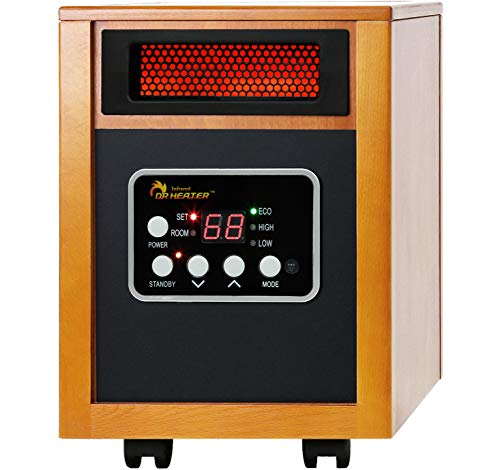
DR. INFRARED HEATER
Dr Infrared Heater DR-968 Portable Space Heater,…
- Can heat up a large room with Auto Energy Saving Model With High and Low Feature. Tip-over protection and Overheat protection.Heat…
- Dual Heating Systems featuring infrared quartz tube + PTC with 12-Hour automatic shut-off timer. Amperage: 12.5 Amps
- IR Remote Control, High Pressure Low Noise Blower with Noise level 39 dB super quiet. Heating can cover for a large room.
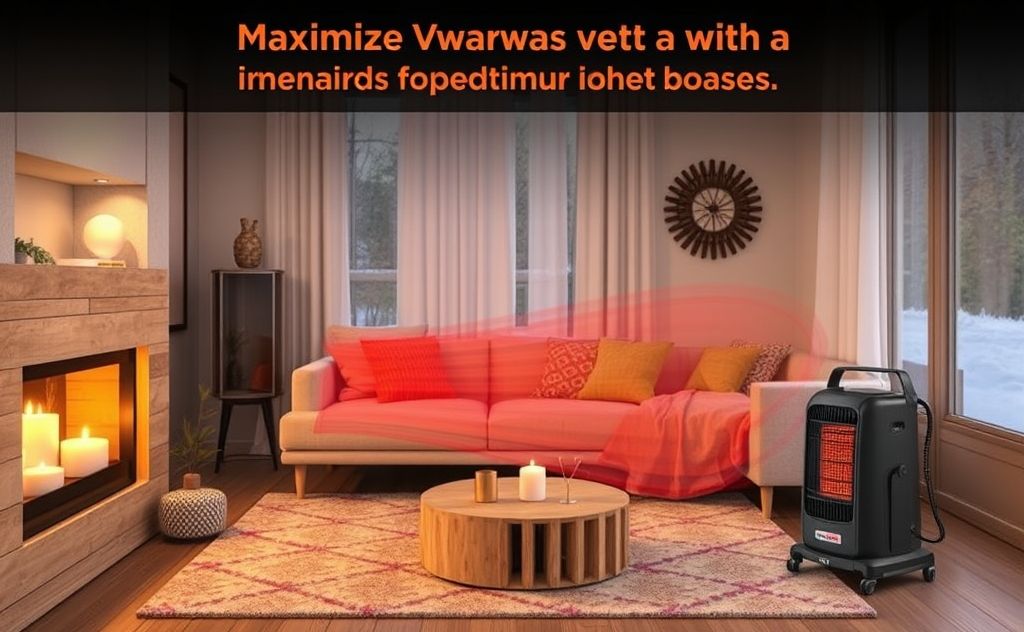
Optimal Placement Strategies
Where you place your infrared heater impacts performance more than any other factor. Follow these placement rules:
Height Matters

Most infrared heaters work best at 2-3 feet above floor level. This allows heat to radiate outward at body level. Place too high and heat dissipates before reaching you. Too low creates uneven heating.
Angle for Coverage
Tilt the heater slightly downward (10-15 degrees) when possible. This directs infrared waves where needed most. For stand-up models, position at a 45-degree angle to walls.
Clear the Path
Infrared waves travel in straight lines. Remove obstacles between heater and people. Keep at least 3 feet clearance from furniture and walls for proper airflow.
Room Preparation Techniques
Maximize infrared efficiency by preparing your space properly:
Insulation First
Seal drafts around windows and doors. Add thermal curtains. These simple fixes can improve heater efficiency by 25%. For garages or workshops, consider supplemental insulation.
Reflective Surfaces
Place heat-resistant reflective panels behind the heater. This bounces infrared waves back into the room. Aluminum foil-covered boards work well for temporary setups.
Zone Heating
Close doors to unused rooms. Infrared works best when heating small, defined areas. Focus on spaces where people actually spend time.
Operational Best Practices
How you use the heater makes a huge difference:
Thermostat Settings
Set 2-3 degrees lower than conventional heaters. Infrared feels warmer at lower temps due to direct body heating. Start at 65°F (18°C) and adjust upward if needed.
Timed Operation
Use automatic timers to heat rooms only when occupied. Unlike conventional systems, infrared provides instant warmth – no need to pre-heat spaces.
Maintenance Schedule
Clean reflectors monthly with a soft cloth. Dust buildup reduces efficiency by up to 15%. Check electrical connections annually for corrosion.
Advanced Efficiency Tips
Go beyond basics with these pro techniques:
Supplemental Circulation
Add a low-speed fan to distribute warmth from heated objects. This spreads infrared benefits throughout the space without direct line-of-sight requirements.
Surface Choices
Dark, matte surfaces absorb infrared best. Light-colored walls reflect more heat. Arrange furniture accordingly to maximize heat absorption where needed.
Layered Heating
Combine with radiant floor mats for whole-body warmth. The floor heats your feet while the portable unit warms your upper body – perfect for home offices.
According to U.S. Department of Energy, proper infrared heater use can reduce heating costs by 30-50% compared to conventional systems in well-insulated spaces.
For outdoor applications like patios, consider specialized infrared patio heaters designed for open-air environments. These models feature weather-resistant construction while maintaining efficiency principles.
Related pick: Check today's price on Amazon

HeaterGuides covers home heating, water heating and HVAC: how the equipment works, what it costs to run, and how to use it safely.