How to Make a Heater Out of Clay Pots That Warms About 12 Cents an Hour
On this page 6 sections
Many people believe a clay pot heater can replace their main heating system, but it only provides small, supplemental warmth from candle heat. The trick is how you arrange the pots and candles to trap and radiate heat effectively without risking carbon monoxide buildup or fire.
This guide walks you through the setup, safety precautions, common mistakes to avoid, and when to call a professional or get permits. You’ll learn how to get the most heat safely from a simple candle and pot arrangement.
How to Make a Heater Out of Clay Pots Step by Step
A clay pot heater uses two unglazed terracotta pots and several tea light or votive candles to generate localized warmth indoors. The larger pot sits upside down over the candles, with a smaller pot inverted inside it, creating an enclosed space that traps and radiates heat. This setup provides supplemental heat, not a replacement for your main heating system.
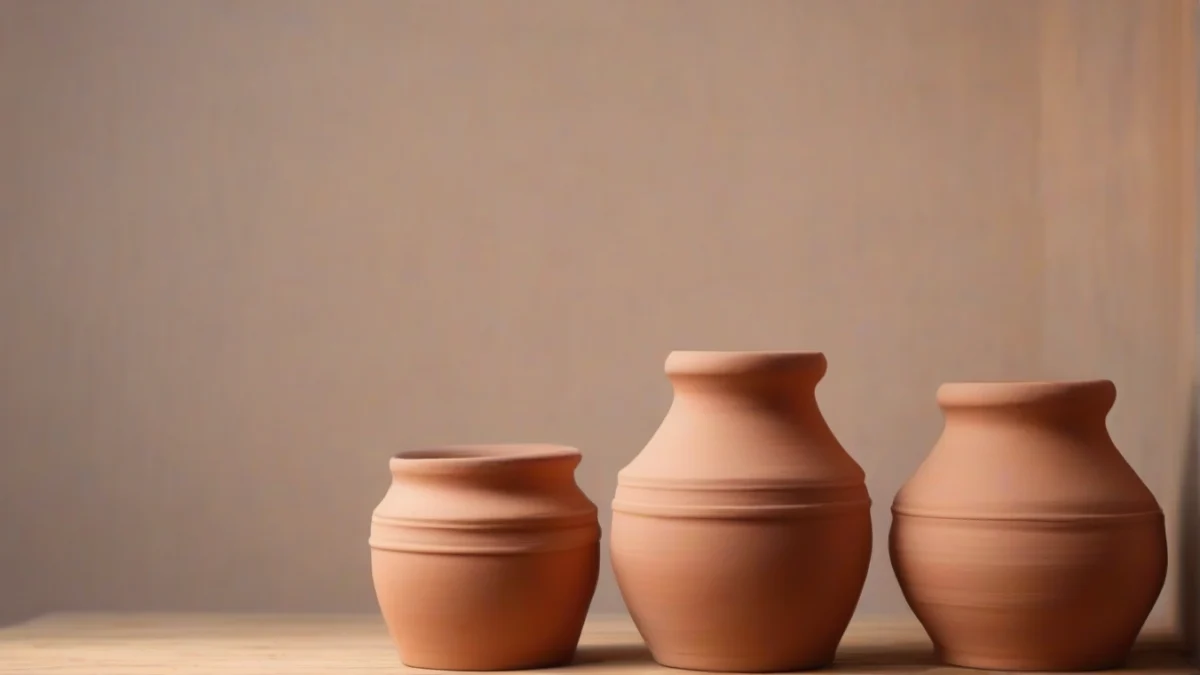
Start by choosing two unglazed terracotta pots; the porous nature of the clay helps absorb and release heat slowly. Place a stable, fireproof base—like a ceramic tile or metal tray—on a flat surface to hold the candles safely. Arrange two to four tea light or votive candles evenly spaced on this base.
Light the candles and carefully position the larger pot upside down over them. Then place the smaller pot, also upside down, inside the larger one. This creates an enclosed air space where heat accumulates, warming the pots’ surfaces. The clay’s thermal mass stores heat and releases it gradually after the candles dim.
Position the larger clay pot upside down on a fireproof, stable surface. Arrange several tea light candles beneath it, spaced evenly. Invert the smaller pot inside the larger one, leaving a small gap for airflow. Light the candles and monitor the heat output carefully. Extinguish candles before leaving the heater unattended.
This DIY clay pot heater is not a substitute for your main heating system but can provide supplemental heat to a small room or workspace. The warmth starts within 20 to 30 minutes as the clay heats up. Experiment with pot sizes and candle counts carefully to balance heat output with safety.
How to Ensure Safety and Proper Ventilation Indoors

Never use a clay pot heater in a closed room without ventilation. Even small candle flames consume oxygen and produce carbon monoxide. Keep a window cracked or use a carbon monoxide detector nearby. Always place the heater away from flammable materials and never leave it running unattended.
Never leave the candles unattended. Candles pose a fire risk, so place the heater on a stable, fireproof surface such as stone, ceramic, or metal, well away from curtains, papers, or flammable materials. Maintain at least three feet of clearance on all sides.
Inadequate ventilation can cause dangerous carbon monoxide levels, even with candles, because combustion consumes oxygen and produces CO. If you do not have a carbon monoxide detector, it is unsafe to use this heater indoors. Open a window or door partially to provide fresh air during use.
For long-term safety, limit use sessions to a few hours and always extinguish candles before sleeping or leaving the room. Regularly inspect the pots for cracks that could increase fire risk or reduce heat efficiency.
Common Mistakes That Cause Damage or Leaks in Clay Pot Heaters
Using glazed clay pots is a common error that traps moisture inside, leading to cracks or leaks as the pots heat and cool. Unglazed terracotta allows moisture to escape, preventing damage.
Insufficient airflow causes the heater to overheat, increasing the risk of cracks or fire. The design should include gaps or openings to let heat and gases circulate safely around the candles.
Placing the heater on an unstable or flammable base invites accidents. A fireproof surface like ceramic tile or metal is essential to prevent heat damage or fire spreading if a pot falls.
Using too many candles can overheat the pots and base, while too few won’t produce enough heat to warm a room meaningfully. Typically, three to four tea light candles provide a safe, steady heat output.
Ignoring candle quality and placement causes uneven heating and soot buildup. Always use clean-burning, unscented tea lights placed evenly under the smaller pot for best heat transfer and air quality.
If you want to make a room warmer without a heater, adding heavy curtains, sealing drafts, or using rugs can retain heat more effectively and safely than a makeshift heater alone.
When Permits or Licensed Professionals Are Needed
You won’t need permits for a simple candle-powered clay pot heater in most areas, since it’s a low-risk, non-electrical device.
Licensed professionals should handle any installation or repair involving gas, electric, or vented heaters. These systems pose risks that DIY clay pot heaters do not.
Avoid modifying gas or kerosene heaters yourself. DIY alterations can lead to carbon monoxide leaks, fire hazards, and legal penalties.
Check your local code for restrictions on indoor heating devices, especially fuel-burning ones. Some places regulate or ban vent-free heaters.
If you experience symptoms like nosebleeds, headaches, or dizziness when using any heater, stop immediately. These can signal unsafe combustion or poor ventilation needing professional attention.
Checklist Before Using Your Clay Pot Heater
You need two unglazed terracotta pots and several tea light or votive candles to make a functioning clay pot candle heater. The larger pot sits upside down over the candles, with the smaller pot nested inside to concentrate heat.
Always place your heater on a stable, fireproof base like a ceramic tile or metal tray. This prevents heat damage to surfaces and reduces fire risk.
Check that your room has good ventilation and that a working carbon monoxide alarm is nearby. Candles use oxygen and emit small amounts of CO, so fresh air circulation is essential.
Use only recommended candle types—tea light or votive candles—and the correct pot sizes to avoid overheating or cracking. Avoid scented or colored candles that may release harmful fumes.
Keep matches, a lighter, and a fire extinguisher within reach. Never leave the heater unattended while candles are burning, and extinguish all flames before leaving the room or going to sleep.