

Skip the filter, the burners get dirty, airflow drops, and the furnace starts eating comfort for breakfast. A neglected unit usually costs you in fuel, short cycling and repairs, not just one annoying service call.
The basic maintenance is straightforward. The risky parts are gas, venting, electrical controls and condensate lines, which is where a careful owner stops and a licensed technician starts.
How To Maintain Your Furnace
You maintain a natural gas furnace by changing the filter, clearing dust from the blower compartment and burners, and confirming that air moves freely through every vent and return. A gas furnace is a box that pulls in house air, heats it over a burner flame and pushes it back through your ducts; the parts you can touch are the ones that move air, and the parts you shouldn’t are the ones that make fire.
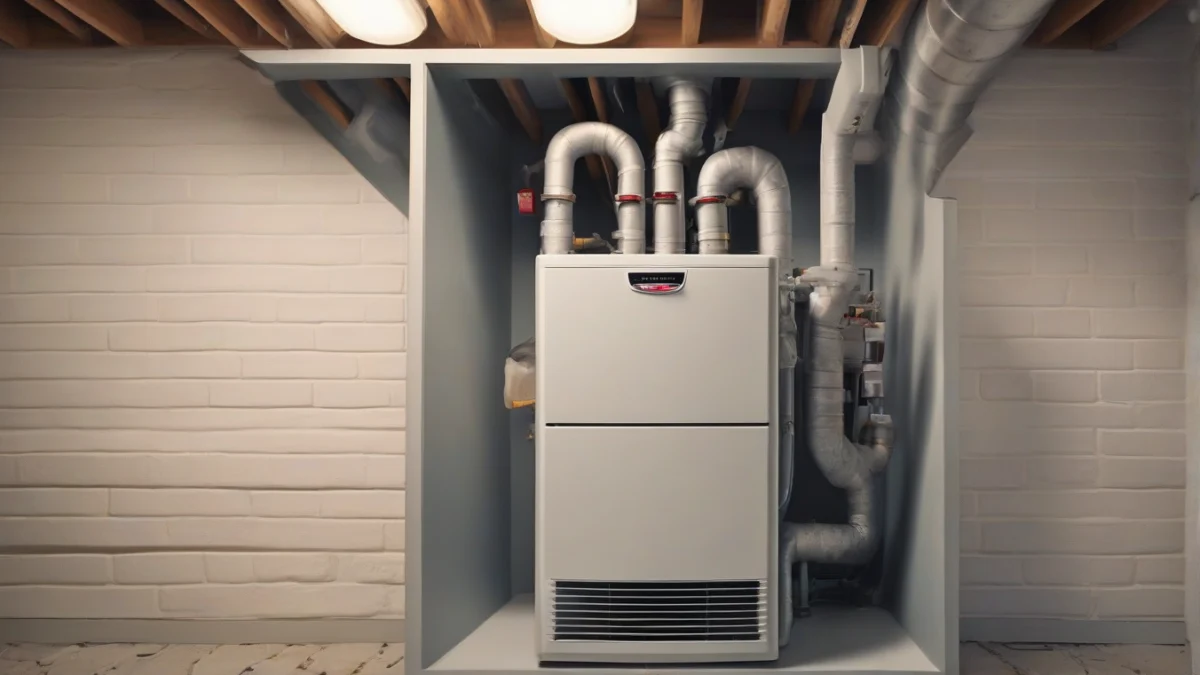
That split is the whole job. Filter, blower wheel, return grilles and registers are yours. Burner adjustment, gas pressure, the heat exchanger, the flue and anything inside the sealed combustion path belong to a licensed tech, and in most places the law agrees. A 30- to 60-minute session twice a year covers everything a homeowner should be doing.
A clean filter and open returns are the cheapest protection your blower and heat exchanger will ever get. A clogged filter raises static pressure, the blower pushes against it, and the furnace can overheat and trip its high-limit switch — which is why a no-heat call in January is so often a filter that hasn’t been changed since October.
If your system is a heat pump rather than a gas furnace, the routine is similar but the checks differ; see electric heat pump furnaces. For portable units around the house, the same filter-and-dust logic applies, and portable heater maintenance covers it in detail.
One more thing worth knowing before you start: write the filter size and the date on the new filter’s frame with a marker. Next October, you’ll thank yourself.
What Costs Money And Comfort
A neglected furnace quietly drains your wallet and leaves you shivering. That clogged filter forces the blower to run longer, burning more gas. For example, a 100,000 BTU/h furnace with a dirty filter might run 20% longer per cycle. Over an eight-hour heating day, that’s an extra 1.6 hours of runtime. At a typical gas rate, that could add $50–$100 per year. Comfort usually suffers first: rooms never reach the set temperature, and you notice drafts. Then wear shows up faster on parts like igniters, belts, and capacitors. Older forced-air oil furnaces with clogged nozzles or filters can use 10% more fuel or more. High-efficiency gas furnaces (90%+ AFUE) lose efficiency when dirty—heat escapes up the flue, costing you more. Standard-efficiency furnaces (80% AFUE) waste even more energy when clogged. The table below shows typical impacts.
| System State | Annual Energy Cost | Comfort Level | Likely Repairs |
|---|---|---|---|
| Clean and tuned | a few hundred dollars | Even, quiet | None |
| Neglected | over a thousand dollars | Uneven, noisy | Igniter, capacitor |
Mistakes That Damage The Furnace
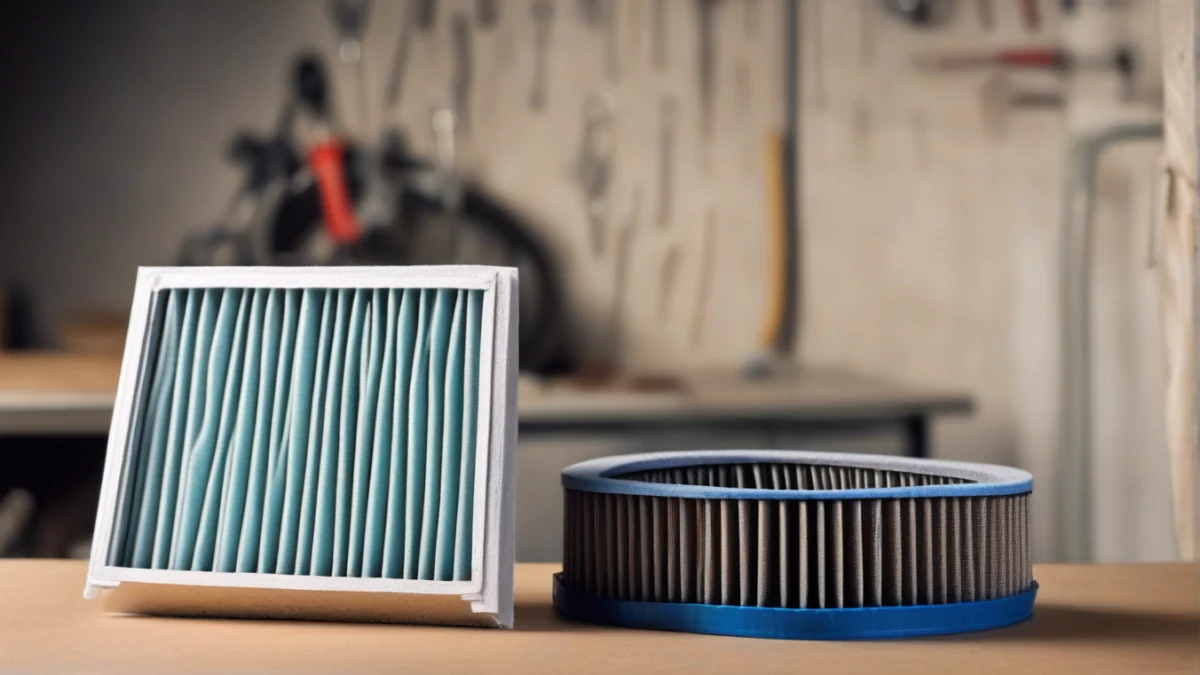
Using the wrong filter size, a too-restrictive filter (like a high-MERV without checking compatibility), or installing a filter backward starves airflow. That leads to overheating, cracked heat exchangers, and premature blower failure. Water around the furnace signals a condensate leak, humidifier overflow, or plumbing issue—ignore it and you risk rust, mold, and electrical damage. For thermostat battery changes, follow your model’s instructions; a dead battery can leave you without heat. And don’t connect an air purifier to your furnace unless it’s designed for that—it can restrict airflow. If you have a water heater and furnace sharing a flue, ensure proper venting; a blocked flue can spill carbon monoxide.
When You Need Permits Or A Pro
Converting an oil furnace to natural gas is a job for a licensed contractor with a permit, not a weekend project. The same goes for any change to the gas line, the vent connector, or the venting itself.
Gas work is where the homeowner job ends. In most places, licensed pros handle gas line changes, vent connector repairs, venting redesign, control replacement and combustion tuning. Code exists for fire, carbon monoxide and insurance paperwork. Your insurer may ask for proof the work was permitted.
Electrical work beyond a filter, thermostat battery or breaker reset usually belongs to an electrician or HVAC tech. Wiring a new control board or blower motor isn’t a DIY job.
Permits may be required for furnace replacement, fuel conversion, vent changes or new gas piping. Local code decides, so call your building department before you buy anything.
A condensing furnace drain or condensate pump leak can look small but can damage flooring and drywall if ignored. Fix it before winter, not after.
Checks Before The Cold Snap
Water heaters and furnaces sometimes share a closet or mechanical room, but they work independently. A gas water heater has its own burner and vent; a furnace has its own. Combo furnace water heaters exist, but they’re a single appliance, not two units sharing a flue.
Before the first cold snap, verify the thermostat settings, blower response, register airflow and the smell of dust burn-off on start-up. A little dust smell is normal the first time; a persistent burning smell is not.
If the system shares a closet with a water heater, keep the required clearances and don’t block access to the vent or draft hood. Blocking a draft hood can cause carbon monoxide to spill into the room.
Check the CO alarm date and test the alarm before heating season. Replace the battery or the unit if it’s past its expiry.
If the furnace has a condensate line, it needs to drain freely before sustained use. A clogged line can trip the pressure switch and shut the furnace down.
Stop and call for service if the flame is lazy, yellow, noisy or the furnace cycles rapidly. Those are signs of a combustion or airflow problem that won’t fix itself.
| Check | What to look for |
|---|---|
| Thermostat | Set to heat, fan on auto, temperature above room |
| Blower | Comes on within a minute or two of the burners |
| Registers | Warm air from every vent, no cold spots |
| Dust smell | Fades after the first cycle; persistent smell means call a pro |
| CO alarm | Test button works, unit not past expiry |
| Condensate line | Water drains freely, no standing water |
More Questions, Answered
How often should a furnace filter be changed?
What are the signs a furnace heat exchanger is damaged?
Can I clean furnace burners myself?
Do water heater and furnace work together?
When does furnace maintenance require a permit or licensed pro?

I am a mechanical engineer and love doing research on different home and outdoor heating options. When I am not working, I love spending time with my family and friends. I also enjoy blogging about my findings and helping others to find the best heating options for their needs.
Related guides

Heater Maintenance Costs & Smart Ways To Reduce Them
You turn on the furnace for the first cold night of the year, and nothing happens. Or it…
How To Determine The Right Heater Maintenance Frequency for Diesel Parking Heaters
You ran the heater all night. Midwest winter, parked at a truck stop. At 3 AM it sputtered,…
How To Fix A Malfunctioning Central Heater Fast – Expert Troubleshooting Guide
You come home on a freezing night, flip the thermostat up, and hear nothing. Or worse — the…
