How to Stay Warm Without Electricity in 10 to 30 Minutes
Joye
Updated October 3, 2026 8 min read
Short answer
Staying warm without electricity means trapping body heat, cutting drafts and using any safe backup heat you already have; most homes can make a real difference in 10 to 30 minutes, and the DIY parts are simple unless you add fuel-burning or vented equipment.
The usual mistake is heating the whole house when you only need one room, and that costs you heat fast. Close off the space you’re using first, then fix the leaks that let warm air rise out and cold air pour in.
If you do use a fuel-burning backup heater, CO and venting become the whole job. That’s where the line between DIY and licensed work shows up quickly.
What to remember
Close off one room and stop heating empty spaces.
Seal the biggest drafts first: doors, windows and attic access.
Use layers, blankets and dry socks before you crank up any backup heater.
Never run an indoor fuel-burning heater without the venting and CO alarm the manual requires.
If the job needs new gas, venting, wiring or a flue, call a licensed pro.
How To Stay Warm Without Electricity
To stay warm without electricity, focus on trapping body heat in a small space, sealing drafts, and adding insulation where you can. The fastest way is to dress warmly, close off one room, block cold air leaks, keep doors shut, and insulate windows and floors.
Layering blankets can help trap body heat.
1
Dress in Layers
Put on warm clothes including a hat and socks to reduce heat loss from your body.
2
Choose One Room
Pick a small room to keep warm and close doors to confine body heat there.
3
Block Drafts
Seal obvious drafts at doors and windows with towels, blankets or draft stoppers.
4
Add Insulation
Cover windows with heavy curtains or blankets and lay rugs or blankets on cold floors.
5
Keep Doors Shut
Close all doors to the chosen room to trap warm air.
Worked Example
Say your home is 800 square feet open plan. Closing off a 200-square-foot room and sealing a 3-foot draft under a door reduces cold air infiltration significantly. That smaller space holds your body heat better, making it easier to stay comfortable than trying to warm the entire open area.
Basic Physics
Warm air rises while cold air seeps in at low points like under doors. Windows are usually the biggest source of heat loss when power is out, so covering them helps a lot.
In short
Stay warm with no power by confining yourself to one insulated room, sealing drafts, and layering clothing. Body heat adds up in smaller spaces, so less area means less heat lost.
Tools And Parts You’ll Use
Pick the pieces that match your room and your backup heat plan.
Fast & Quiet Heat
BougeRV 5KW Diesel Portable Heater
This diesel heater delivers 5KW of power, warming 307 cubic feet from freezing to comfortable in 8 minutes, making it ideal for quick warmth when the power’s out. Its quiet operation and compact size fit tight spaces without noise or bulk.
Fixing leaks and avoiding unsafe shortcuts keep your home warm and safe without power or propane.
Safety First
Never block vents or seal gaps around combustion appliances like gas furnaces or water heaters. Doing so cuts off their air supply and risks carbon monoxide buildup. Also, avoid taping over return air pathways in your HVAC system, which can cause poor airflow and harmful fumes indoors.
Staying warm without electricity or propane gas means relying on body heat, insulation, and airtightness—but only if your home’s leaks don’t undo all that effort. A cracked window or an open door gap can waste as much heat as a heater running full blast. Moist air from wet rooms cools you faster too, so controlling moisture is key.
Common Mistake
What It Costs You
Cracked or unsealed windows
Heat loss up to 30% of room energy
Door gaps without weatherstripping
Cold drafts and energy waste
Blocking appliance vents or combustion air
Carbon monoxide risk and unsafe fumes
Covering return air vents with tape
Reduced airflow and trapped pollutants
Wet, unventilated rooms
Cold discomfort and condensation
Frozen pipes from poor insulation
Costly water damage and repairs
Mistakes that cost heat, safety, and comfort
Myth
Sealing every crack and vent is always safer and warmer
Fact
Sealing vents or combustion air supplies can create dangerous carbon monoxide levels. Proper ventilation is essential for safety, even during power outages.
What Tools And Parts Help Most
To stay warm without electricity, you need a mix of sealing gear, insulating textiles, and smart backup tools that don’t rely on power grids or propane tanks.
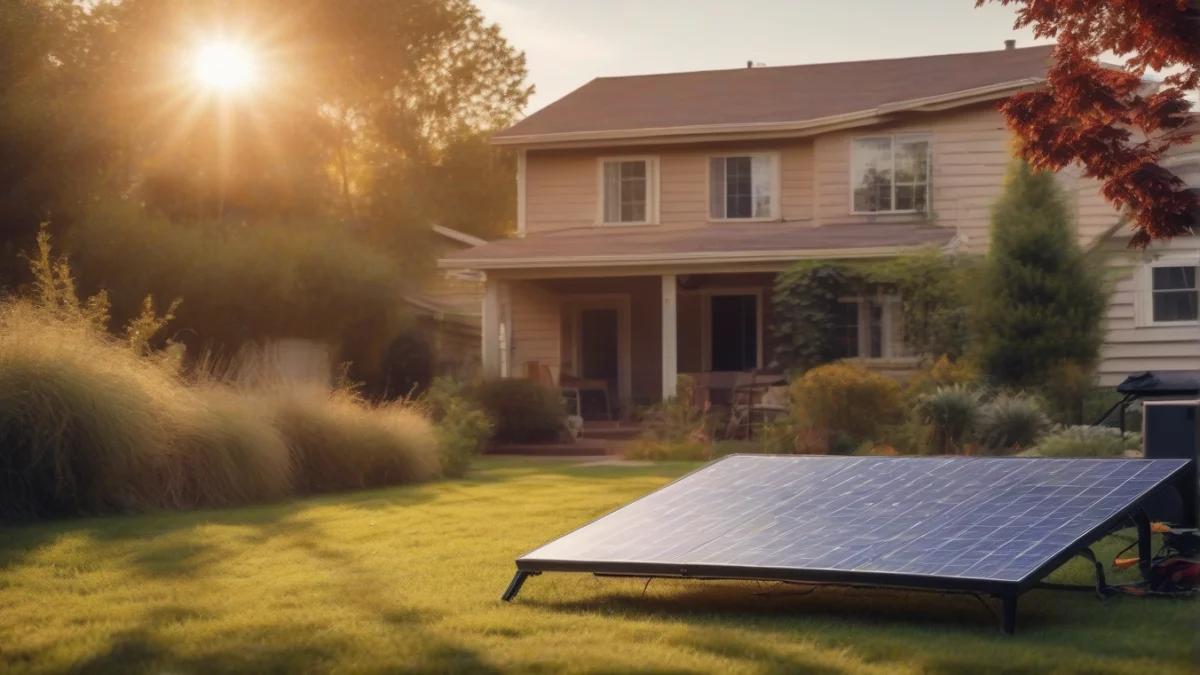
Using a portable solar panel can provide essential power.
Non-Powered Basics
Weatherstripping for doors and windows
Door sweeps to block drafts at floor level
Window insulation film to cut heat loss
Draft stoppers for gaps under doors
Thick curtains to trap heat inside rooms
Wool socks and warm blankets for body heat
Sleeping bags rated for cold weather
Headlamp for hands-free light at night
Thermometer to monitor indoor temperature
Battery-powered carbon monoxide alarm if using fuel-burning heaters
Solar Panels Don’t Heat Rooms
A portable solar panel can’t create heat directly. It can charge small devices or power a fan to move warm air, but the heat must still come from insulation, body heat, or a real heater that burns fuel or electricity.
If you want a backup heat source that works without grid power, a fuel-burning heater like a diesel model can be a serious help — but only if it’s installed where exhaust vents outside and you have a working CO alarm nearby. This is common in tents, cabins or vehicles.
Backup Heat for Off-Grid Spaces
BougeRV 5KW Diesel Heater
The BougeRV 5KW diesel heater fits tents, RVs, and small workshops, delivering fast warmth with safety features and easy setup.
Trying to stay warm without electricity, propane, or wood fires means maximizing insulation and body heat first. The tools above help plug heat leaks and keep the warmth you create inside. The diesel heater adds a reliable fuel backup, but it’s not a magic no-fuel device.
When A Permit Or Licensed Pro Is Required
Some heating and water systems need licensed professionals for installation or major repairs. This isn’t just code — it’s about safety and reliability.
Job
DIY or Pro?
New gas piping or gas appliance installation
Call a licensed pro
Installing vented heaters or chimneys
Call a licensed pro
Electrical circuit work or transfer switches
Call a licensed electrician
Replacing water heater elements or thermostats
DIY if confident, otherwise pro
Adjusting water heater temperature or T&P valve work
Call a licensed plumber
Sealing drafts and adding insulation
DIY
Installing draft stoppers or window film
DIY
Jobs sorted by who should do them
Vent-Free Gas Heaters
Check your local code before buying or installing vent-free gas heaters. Some states and cities restrict or ban them due to indoor air quality concerns.
Water Heater Safety
Setting your water heater above 120°F at the tap increases scald risk. Never cap or disable the temperature and pressure (T&P) valve; it’s a critical safety device.
If you have an electric water tank, it can keep water warm for several hours after power outage depending on insulation quality and tank size, but exact times vary widely and it’s best not to rely on it alone.
For heating a 150 square foot cabin in -30°F weather, you’d typically need a propane heater rated around 15,000 to 20,000 BTU to maintain comfortable warmth, depending on insulation and air tightness.
What To Do Tonight
1
Choose one room to keep warm
Pick the smallest room you can use comfortably and close doors to concentrate your body heat there.
2
Block drafts and seal leaks
Use towels, blankets or foam tape to stop cold air at windows, door cracks and vents.
3
Layer up and cover floors
Wear multiple clothes layers and use rugs or mats to keep heat from escaping through cold floors.
4
Protect water pipes
Wrap exposed pipes with insulation or towels to prevent freezing and bursting overnight.
5
Check smoke and CO alarms
Test batteries or replace them so alarms work reliably all night.
6
Assess backup heat options
If you have a fuel-burning heater, read its manual carefully, ensure proper venting, and test your carbon monoxide alarm before lighting it.
Fuel Heater Safety
Never run fuel-burning heaters in unvented spaces without a working CO alarm and proper ventilation to avoid deadly carbon monoxide buildup.
In short
Pick one room, seal drafts, layer clothing, protect pipes, check alarms, and only use fuel heaters with proper venting and CO detection.
Next Step by Home Type
Your immediate action depends on where you stay.
ApartmentUse thick curtains and draft stoppers on
HouseFocus on one interior room, seal basemen
CabinBlock all drafty gaps, insulate doors wi
TentWear insulated clothing, use a safe, app
Questions People Ask
How do you stay warm at home without a heater?
You stay warm by layering clothing, using blankets, and concentrating heat in one room. Closing doors and windows tightly and sealing drafts helps keep the warm air inside. Adding insulated curtains or hanging blankets over windows traps more heat.
How can you stay warm with no power overnight?
Without power, focus on retaining your body heat by wearing thermal layers and using sleeping bags or heavy blankets. Keep several people in one room to share warmth and block drafts carefully. Avoid alcohol and caffeine, which can lower your core temperature.
What is the safest way to stay warm without electricity or propane?
The safest methods rely on insulation and passive heat sources like hot water bottles or heated blankets designed for unplugged use. Avoid burning fuels indoors unless the device is rated for indoor use with proper ventilation and a working carbon monoxide alarm. Never use outdoor-only heaters inside.
How many BTU do you need for a 150 square foot cabin at 30 below?
At 30°F below zero, a rough rule is 50 to 60 BTU per square foot, so you need about 7,500 to 9,000 BTU to maintain comfort. This accounts for heat loss through walls and windows. Insulating well can reduce that requirement significantly.
How long does hot water stay warm in an electric tank?
Hot water in a well-insulated electric tank typically stays above 120°F for 4 to 6 hours without power, depending on tank size and ambient temperature. Heat loss occurs through the tank walls and pipes, so location and insulation quality matter.
I am a mechanical engineer and love doing research on different home and outdoor heating options. When I am not working, I love spending time with my family and friends. I also enjoy blogging about my findings and helping others to find the best heating options for their needs.